The Rise and Fall of the Saturday Morning Toy Empire
How did cartoon-driven toy lines take over the 80s?
On this page
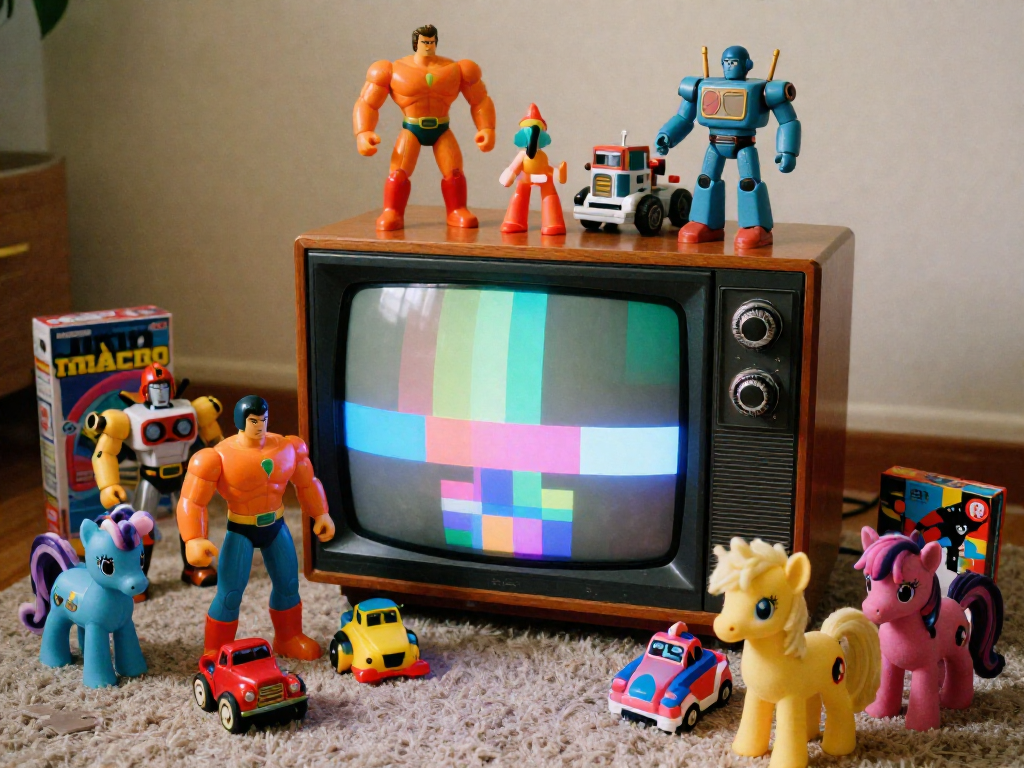
Open on a vivid Saturday-morning ritual—cereal, pajamas, and a cartoon that was secretly a 22-minute toy commercial. Frame the era as a deliberate marketing revolution that reshaped childhood, then promise a tour of how it rose, peaked, and fell, with collecting tips woven in for readers who want to reclaim a piece of it.
Before the Boom: Toys and TV Lived Apart
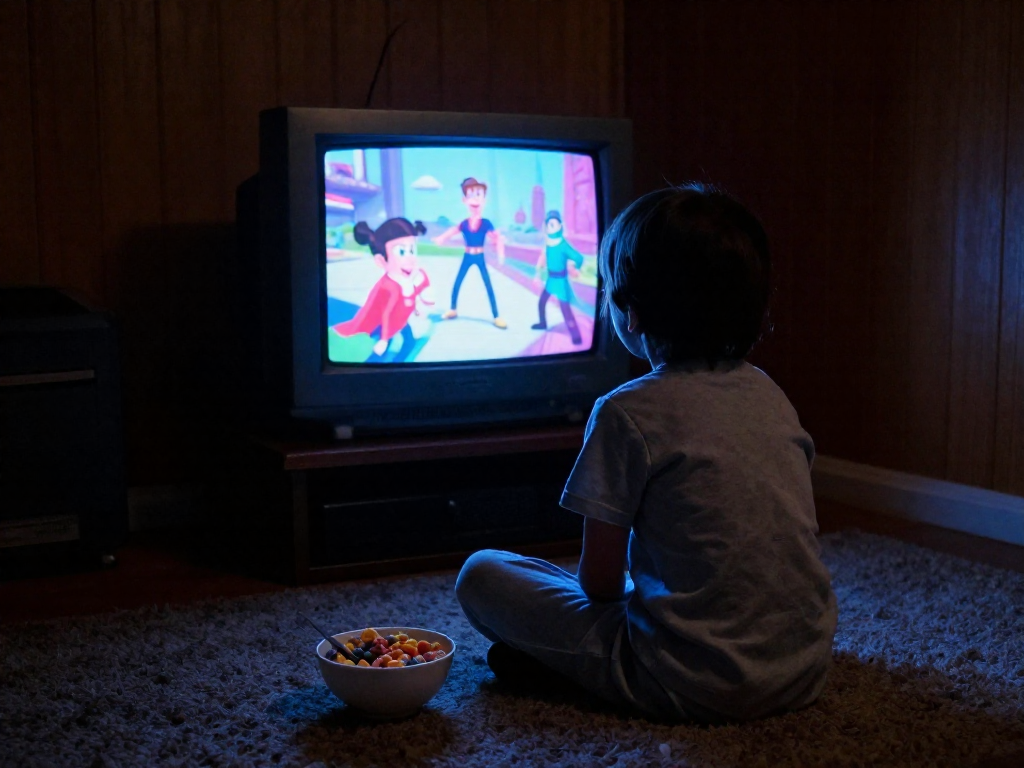
Picture Saturday mornings before the 1980s. The cereal bowl was the same, the pajamas were the same, but the cartoons playing on the TV were not trying to sell you a toy aisle. For most of the 1960s and 70s, the worlds of toys and television barely held hands, let alone moved in together.
A big reason was the regulatory mood of the era. By 1969, the FCC and the National Association of Broadcasters were leaning hard on broadcasters to keep a clear wall between programs and ads. The fear had a name that sounds almost quaint today: the "program-length commercial." The idea that an entire cartoon could basically be an advertisement for a product line was treated as something to discourage, not celebrate. So shows had to stand on their own, and toys had to find buyers some other way.
And they did. Before cartoons did the heavy lifting, toys were sold the old-fashioned ways:
- Standalone TV and print ads — a 30-second spot or a comic-book back page showing kids gleefully playing, with no connected show required.
- Mail-order and store catalogs — the legendary holiday "wish books" from retailers like Sears, where you circled what you wanted in pen.
- In-store displays and shelf presence — end-caps, window displays, and the simple magic of seeing a boxed toy at eye level in the store.
There were early hints of what was coming, though. Animated tie-ins began testing the waters at the tail end of the 60s, when popular characters and brands started crossing over into Saturday morning slots. These weren't full-blown toy-to-cartoon machines yet — more like a handshake between marketers and animators feeling out the possibilities.
That quiet separation is exactly what makes the 80s explosion so striking. The wall everyone had carefully maintained was about to come down, and Saturday mornings would never look the same. To understand why that shift felt revolutionary, you first have to remember a time when your favorite cartoon wasn't also a thirty-minute toy commercial.
1984: Deregulation Lights the Fuse
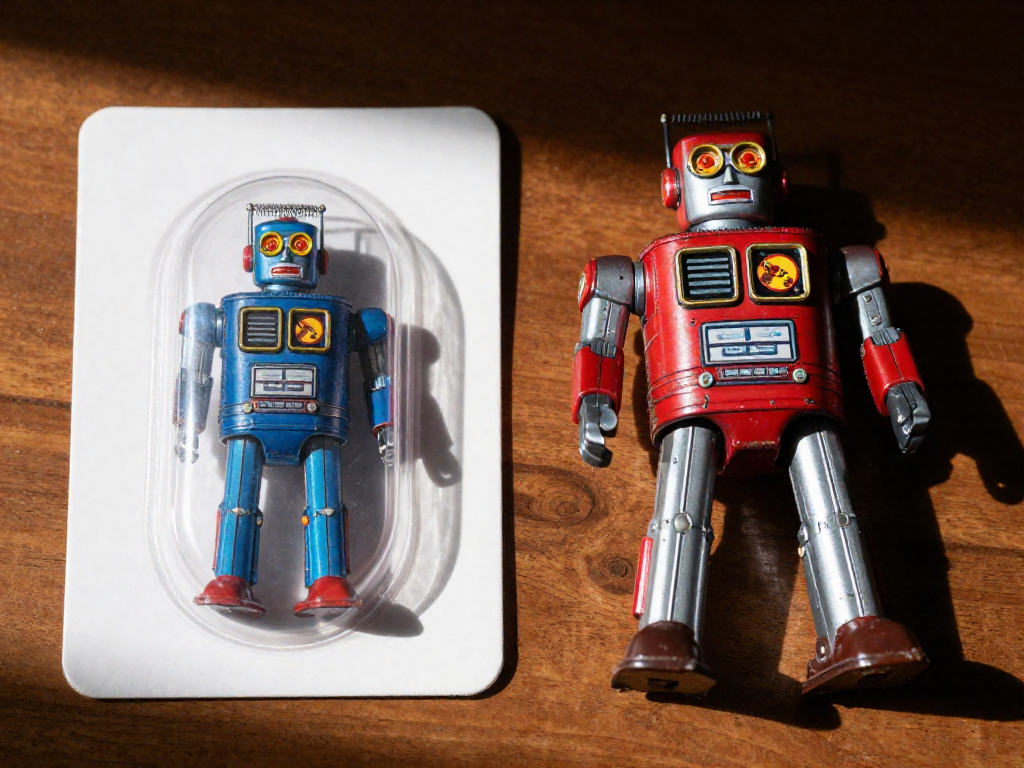
If you grew up planting yourself in front of the TV every Saturday morning, you witnessed the exact moment the rules changed — even if you were too busy eating cereal to notice. The year was 1984, and a quiet policy decision in Washington rewired your childhood.
Here's the backstory. For decades, the Federal Communications Commission had kept a watchful eye on how much advertising kids could be shown, and it frowned on blurring the line between programs and commercials. Under the Reagan administration's broad deregulation push, the FCC loosened those guardrails, scrapping the informal limits on commercial time during children's programming. The reasoning was hands-off and market-driven: let competition, not regulators, decide what aired. The effect on Saturday mornings was immediate and enormous.
Suddenly, the wall between "show" and "ad" practically vanished. Before this, a cartoon was a cartoon and a commercial was the thing you sat through to get back to the cartoon. After 1984, a cartoon could be the commercial — a 22-minute showcase for a product line, dressed up as an adventure. The industry even coined a term for these: "program-length commercials." Shows like He-Man and the Masters of the Universe (which actually debuted in 1983, just ahead of the floodgates), Transformers (1984), and G.I. Joe: A Real American Hero (1985) weren't just entertainment. They were animated catalogs, and every kid watching was a customer.
This unlocked a brilliantly circular business model. A toy company would fund — or heavily underwrite — a cartoon based on its product. The cartoon introduced kids to the characters, the lore, the vehicles, the playsets. Kids fell in love, then begged their parents for the toys they'd just watched come to life. Those toy sales funded more episodes, which sold more toys, which funded more episodes. The snake happily ate its own tail, and everyone in the boardroom smiled.
It's worth pausing on how genuinely new this was. The toymaker wasn't paying a network for ad slots so much as building an entire fictional world whose sole purpose was to make merchandise irresistible. Story and sales became the same engine.
That single shift in policy is why your closet may still hold a battered Optimus Prime or a Castle Grayskull. The Saturday morning toy empire didn't rise by accident — it was lit by a fuse in 1984, and the explosion shaped a decade of childhoods.
The Titans: He-Man, Transformers, and the Giants of the Line
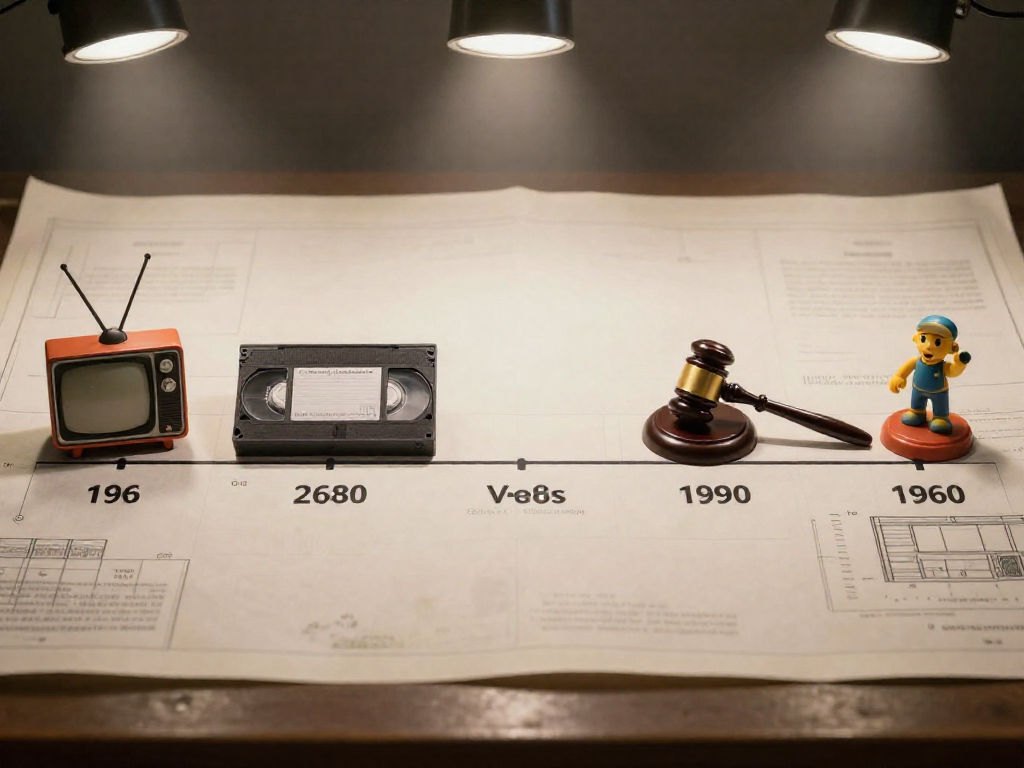
Once the rules changed in 1984, the floodgates opened—and a handful of franchises showed everyone exactly how the new game was played.
He-Man wrote the playbook. Mattel launched the Masters of the Universe action figures in 1982, before the cartoon ever aired. The toys came first; the Filmation series followed in 1983 to explain who these beefy barbarians were and why you needed Castle Grayskull to house them. It was backwards from how Hollywood usually worked, and it was genius. Every episode was, functionally, a thirty-minute commercial—and kids didn't care, because Skeletor was awesome.
Hasbro doubled down with an ecosystem. Transformers (1984) and G.I. Joe: A Real American Hero (the toy relaunched in 1982, cartoon in 1983) weren't just shows with tie-in toys. Hasbro paired them with Marvel comic books, giving each character a name, a personality, and a backstory printed right on the package. Suddenly Optimus Prime and Snake Eyes weren't anonymous plastic—they were characters, and characters have rivals, allies, and vehicles. You couldn't own the story with just one figure.
And the girls' aisle ran the same play. My Little Pony (1982–83) and Care Bears (figures and the franchise took off in 1983, with the film in 1985) used identical logic in pastel: a roster of distinct, collectible personalities, each with a name and a "cutie mark" or belly badge to tell them apart. The message was the same one the boys' lines sent—there are more of these, and you don't have them all yet.
That last point is the whole secret. Each show worked as a serialized ad for a product line built around incompleteness. Introduce a new villain in episode twelve, and by the weekend that villain was on a peg at Toys "R" Us. The cartoon created the demand; the shelf supplied it.
Start your own piece of the empire
You do not need a mint-on-card grail to enjoy this stuff. Here's how to begin:
- Start loose, not carded. Sealed vintage figures command big money, but loose 1980s He-Man, Joe, or Transformers figures with decent paint turn up for roughly $10–$30 each. That's where almost every collector starts.
- Check the joints and accessories. On He-Man figures, squeeze the legs—old rubber bands inside snap with age, leaving "floppy" hips. For G.I. Joe, missing accessories and "broken thumbs" are common; factor that into price.
- Where to look. Estate sales, thrift stores, and local Facebook Marketplace lots beat eBay on price. Buying a mixed "junk drawer" lot of figures is often the cheapest way in.
- Verify before you splurge. Reproduction weapons and reissued figures exist. A quick search of the figure's name plus "variant" or "reproduction" will tell you what you're really holding.
Collect the characters that made you race downstairs on Saturday morning. Nostalgia is a better guide than any price chart.
The Machine Behind the Magic: How TV-to-Toy Marketing Worked
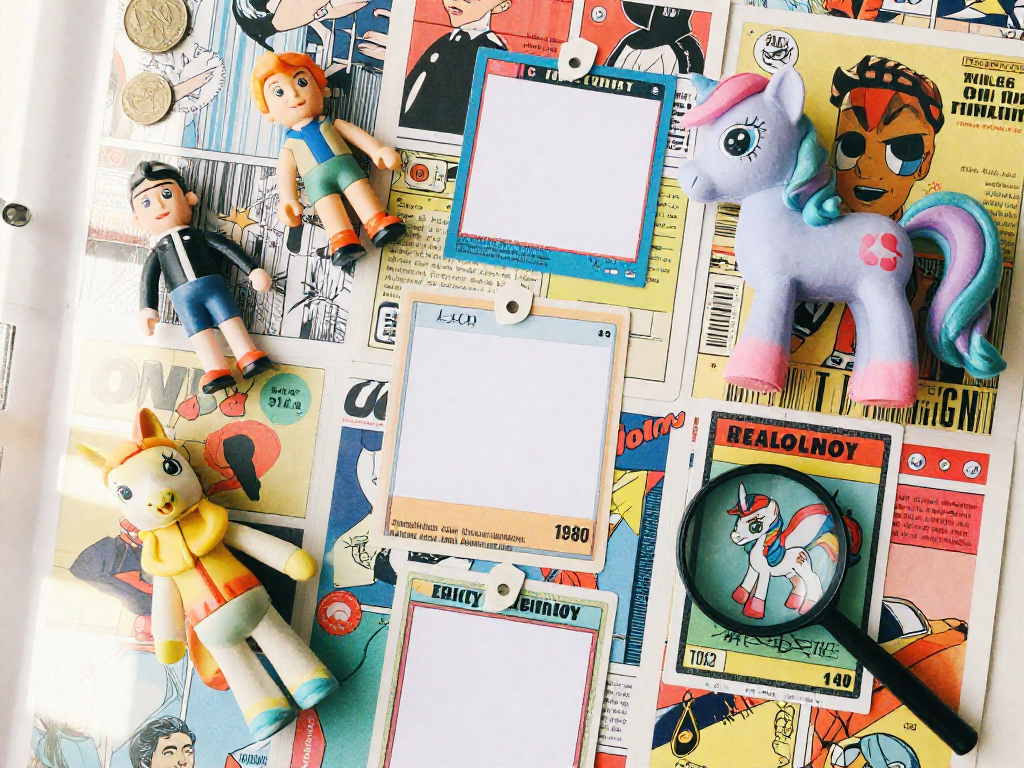
Here's the trick that made the whole thing hum: in the 80s, the cartoon was the commercial. After the FCC loosened its rules on children's programming in 1984, toy companies and animation studios stopped pretending there was a wall between the story and the store shelf. The show existed to sell the toys, and the toys existed to keep you watching the show. It was a beautiful, slightly cynical, perpetual-motion machine.
Every character was a SKU. Think about it: the hero, the villain, the sidekick, the talking vehicle, the fortress playset — each one was a product waiting on a peg at Toys "R" Us. When Hordak showed up to menace He-Man, that wasn't just a plot twist; it was an inventory expansion. Writers and toy designers literally worked together, which is why your favorite cartoon kept introducing shiny new faces right when the old assortment was getting stale on shelves.
Cliffhangers and "collect them all" were the same strategy. New characters dropped mid-season, vehicles arrived just in time for the holiday push, and the playground did the rest. Owning the full roster wasn't a goal the kids invented — it was engineered. The gaps in your collection were the whole point.
Then came the merchandising halo. Once a kid loved a character, that loyalty got stamped onto everything: lunchboxes, bedsheets, pajamas, cereal, Underoos, Halloween costumes, View-Master reels. Licensing turned a single figure into a lifestyle, and it meant the brand followed you from breakfast to bedtime.
The payoff was cultural. A whole generation shared a secret language — catchphrases, faction names, who was cooler than whom — and that loyalty is exactly why these toys still pull at us today.
Want to start collecting the relics of that machine? Try this:
- Hunt the "halo" items first. Lunchboxes, bedsheets, and View-Master sets are often far cheaper than the figures. Check thrift stores, estate sales, and eBay's "sold" filter to see real prices, not wishful listings.
- Expect $5–$25 for loose 80s lunchboxes in decent shape, and $10–$40 for common loose action figures. Mint-on-card figures climb fast, so start loose.
- Check for completeness and smell. Inspect figures for original accessories (the easiest thing to lose) and sniff vinyl and cardboard for mildew before you buy.
Start with the stuff you actually remember holding. That's where the joy — and the best value — lives.
Cracks in the Empire: Why It Fell
Every empire overbuilds, and the Saturday morning toy machine was no exception. By the late '80s, the same formula that minted fortunes started working against itself. Here's how the giants stumbled.
Too much of a good thing. Once He-Man and Transformers proved that a cartoon could sell a toy aisle, every studio and toymaker rushed a copycat line into production. Store shelves bulged with half-baked imitators, and kids only had so much allowance. When dozens of "buy the figure, watch the show" properties competed for the same birthday lists, demand thinned out. A line that would have been a hit in 1984 could vanish unnoticed in 1988.
The regulators caught up. Critics had grumbled from the start that 22-minute toy commercials masquerading as cartoons were exploiting kids. That pressure built until Congress passed the Children's Television Act of 1990, which limited ad time during children's programming and pushed broadcasters toward educational content. The cozy show-to-shelf pipeline suddenly had a chaperone, and the easiest marketing trick of the decade got harder to pull off.
A new screen stole the room. While action figures fought for attention, the Nintendo Entertainment System (released in the US in 1985) was quietly winning the war for kids' free time. By the late '80s, Mario and Zelda were the characters kids begged for, and a controller offered something a plastic figure couldn't: a world you controlled. Home consoles didn't just compete with toys—they redefined what "playing" meant.
Boom-and-bust by design. The whole business ran on hype, and hype is fragile. Tooling, animation, and ad buys cost a fortune up front, so when a line's sales dipped, companies pulled the plug fast to cut losses. Whole toy universes were canceled mid-story, leaving "wave 3" figures half-shipped or never made at all.
The collector's silver lining. That messy collapse is exactly why hunting these toys is fun and affordable today. Those short-lived, canceled lines? Their loose figures often turn up in thrift-store bins and garage-sale lots for $3–$15—far cheaper than the flagship names. When you find one, check the joints for cracks, look for intact paint on the face, and don't sweat missing accessories on a starter piece. The empire fell, but its rubble is a beginner's treasure map.
Collecting the Empire Today (Without Going Broke)
Here's the best-kept secret about collecting Saturday-morning toys: you do not need a vault of cash or a museum-grade collection to get in on the fun. The empire was built on mass production, which means millions of these figures still exist—and plenty are sitting in bins, boxes, and back rooms waiting for someone like you.
Start cheap and start loose
The friendliest entry point is "loose" figures—pieces sold without their original packaging. A common loose He-Man (Mattel, 1982) or G.I. Joe (Hasbro's 3¾-inch relaunch, 1982) figure often runs $5–$20 in played-with condition. Incomplete lots—a tangle of figures missing a few accessories—are even cheaper per piece and perfect for learning what you actually love. Buy the toys that made you happy, not the ones a price guide tells you matter.
What actually drives value
Three things move the needle:
- Condition. Paint wear, sun-fading, chewed limbs (yes, really), and loose joints all lower value. Bright, tight, complete figures command more.
- Accessories. A figure with its original weapon, helmet, or accessory can be worth several times a "barebones" version. Those tiny swords and guns got lost by the millions.
- The "card." Collectors prize MOC (Mint On Card) pieces—still sealed on their original cardboard backing. These cost dramatically more, so treat them as a someday goal, not a first purchase.
Where to hunt
- Thrift stores & flea markets: the thrill of the dollar-bin dig; condition varies wildly.
- Estate sales: often the original owner's childhood stash—great for complete lots.
- Conventions & toy shows: higher prices, but you can inspect before you buy and talk to people who love this stuff.
- Online marketplaces (eBay, Mercari, dedicated forums): the widest selection; check sold listings, not asking prices, to learn real values.
Red flags to dodge
- Reproductions: modern reissues and bootleg accessories are common. Repro weapons often feel lighter and have softer paint detail.
- "Restored" figures: repainted or re-glued pieces sold as original. Ask directly and request close-up photos.
- Inflated "rare" claims: a toy that sold in the millions is rarely rare. Cross-check the asking price against recent sold listings.
A starter shelf under $75
- One loose flagship hero (He-Man or Optimus Prime reissue): ~$15–$25
- Two to three common villains or sidekicks, loose: ~$20–$30 total
- A small accessory lot to complete what's missing: ~$10–$15
That's a genuine, display-worthy slice of the empire for the price of a couple of pizza nights—and a collection that can grow exactly as fast as your fun allows.
The Lasting Legacy of Saturday Mornings
Here's the thing about that golden age of cartoon-driven toy lines: it never really ended. It just grew up alongside us. Every time a Transformers movie roars into theaters, every time He-Man gets a sleek new reboot or G.I. Joe resurfaces in a streaming series, you're watching seeds planted in the mid-1980s finally bloom into a full-grown nostalgia economy. The studios know exactly what they're doing—they're selling our Saturday mornings back to us, and honestly, a lot of us are happy to buy.
But the toys were never really the point, were they? The point was the ritual. The bowl of sugary cereal balanced on your knees. The carpet you sat cross-legged on, close enough to the TV to get yelled at. The unspoken agreement that this block of time, before the grown-ups stirred, belonged entirely to you. That weekly rhythm shaped a whole generation's sense of wonder, anticipation, and shared cultural shorthand. Mention a theme song and watch a roomful of forty-somethings light up.
So if any of this stirred something in you, take it as an invitation. Reconnecting with the era doesn't require a vault or a fortune—it can start with one loose figure from a flea-market bin, a $5 cartoon DVD set, or simply queuing up an old episode and letting that opening jingle do its work. The empire may have risen and fallen, but the joy it gave us is still right there on the shelf, waiting. Go say hello to it.
See also
- A beginner's guide to grading and storing vintage action figures
- The most valuable 80s toys still hiding in attics
- Transformers vs. G.I. Joe: which Hasbro line defined the decade
- How to spot reproduction vintage toys before you buy
Related articles
Why Beanie Babies Were the Bubble That Burst
What really happened with the Beanie Babies craze? The hype, the hoarding, the crash—and what collectors can learn from one of the '90s biggest manias.
Jun 27, 2026 · 10 min read
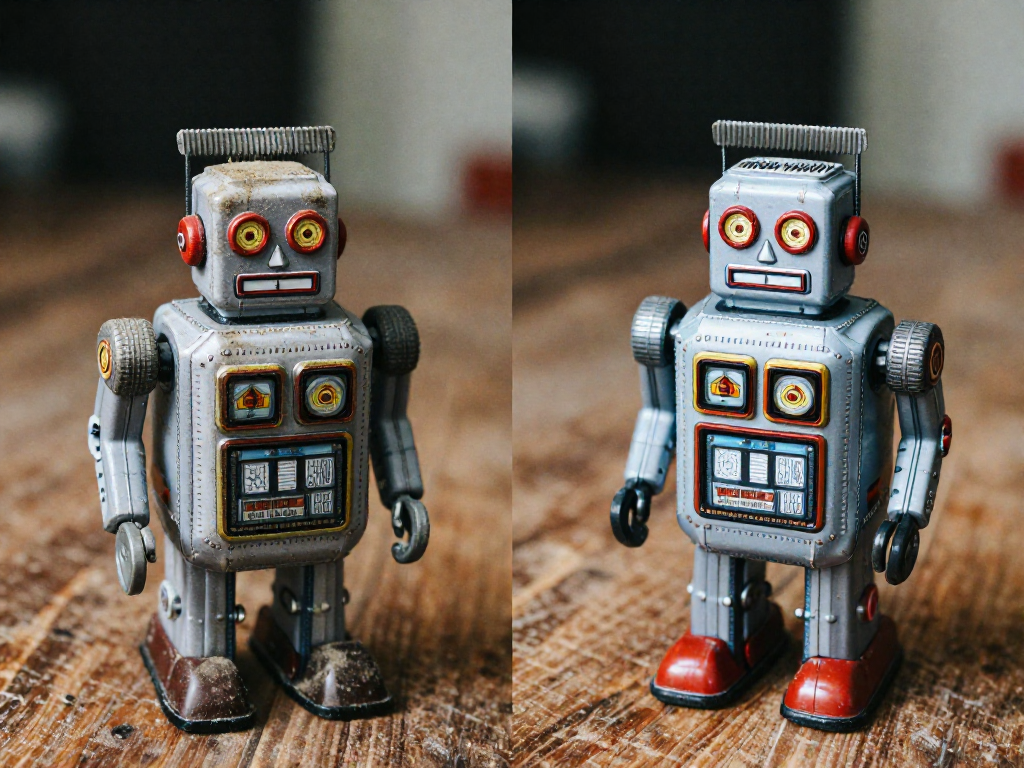
Cleaning and Restoring Grimy Vintage Toys the Safe Way
Learn gentle, safe ways to clean grimy vintage toys—plastic, vinyl, and stickers—without damaging paint, decals, or value. Beginner-friendly tips you can do today.
Jun 27, 2026 · 10 min read
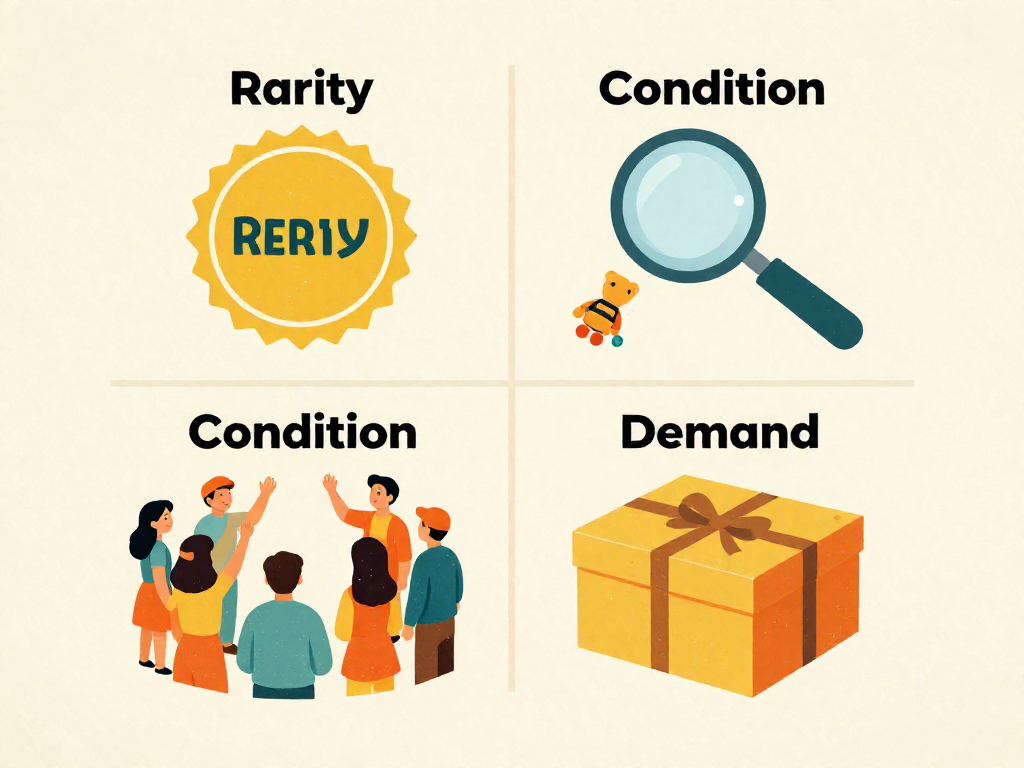
What Makes a Vintage Toy Valuable? The Real Factors
Wondering what makes a vintage toy valuable? Decode rarity, condition, demand, and packaging with beginner-friendly tips you can actually use.
Jun 27, 2026 · 8 min read