Why We Get So Nostalgic for the 90s, According to Memory
Why does retro stuff make us so nostalgic?
On this page
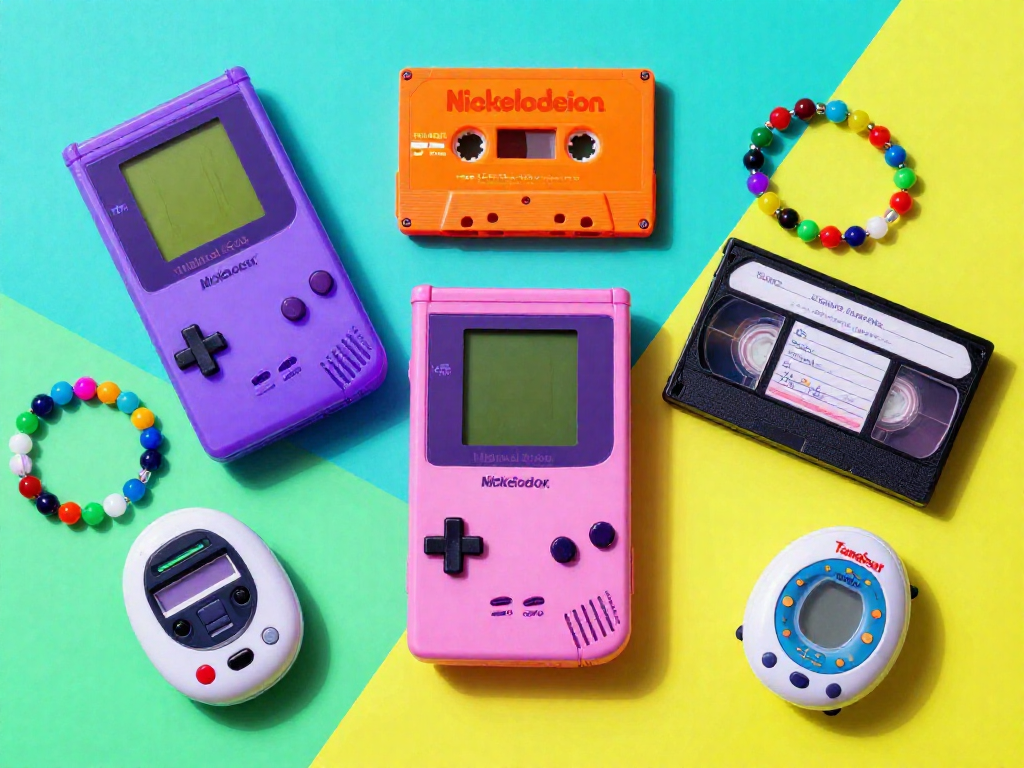
That Sudden Wave: What Nostalgia Actually Is
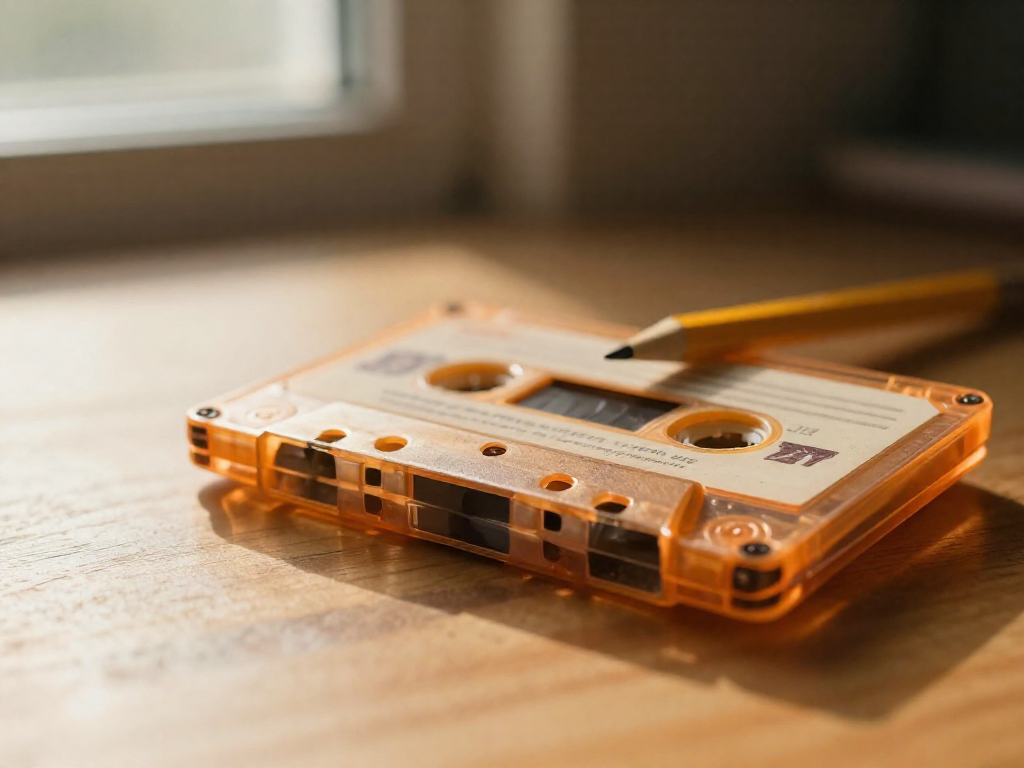
You know the feeling. A song crackles out of a speaker, you catch the smell of a video store carpet in your memory, and suddenly you're fifteen again, sitting on a beanbag with a controller in your hands. That warm, slightly achy rush has a name: nostalgia. And it's a lot friendlier than you might think.
At its core, nostalgia is a bittersweet but mostly positive emotion. Yes, there's a pang of "those days are gone," but the dominant feeling is warmth, comfort, and connection. It's not the same as plain longing or sadness. It's more like flipping through a photo album that happens to live inside your head.
Funny enough, the word started out as a diagnosis. A 17th-century Swiss physician named Johannes Hofer coined "nostalgia" in 1688 to describe homesick soldiers, treating it as a genuine medical illness—complete with prescribed remedies. For centuries it carried that whiff of weakness or disease. Modern psychology has flipped the script entirely. Researchers now see nostalgia as a healthy, restorative emotion that can lift our mood, boost our sense of meaning, and even make us feel less alone.
That last part is key, because nostalgia is deeply social. We rarely get misty over an object in isolation. We get nostalgic for the people we shared it with—the friends crowded around an arcade cabinet, the sibling who taped songs off the radio with us, the road trips scored by a single worn-out cassette. The stuff is really just a doorway back to the people and moments.
So if you've ever felt a little guilty for clinging to your old toys and tapes, let it go. Over the next few sections, we'll dig into what's happening in your brain, why the things from a specific window of your life hit hardest, and how that wave of feeling can turn into a fun, affordable collecting hobby.
The Reminiscence Bump: Why Your Teens and 20s Stick
Ever notice how you can forget where you put your keys this morning, but you can still recite every word of a song you heard at 15? That's not a fluke. Memory researchers have a name for it: the reminiscence bump.
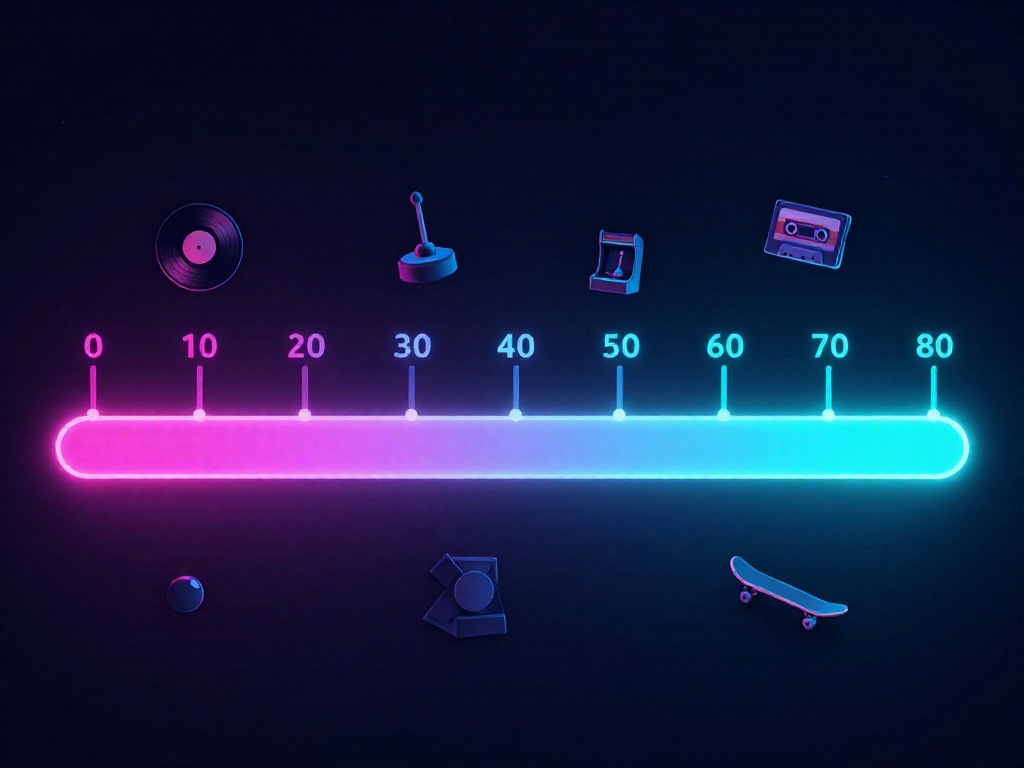
Here's the gist. When scientists ask older adults to recall memories from across their whole lives, the timeline isn't even. There's a noticeable spike—a "bump"—of vivid, easily retrieved memories from roughly ages 10 to 30. Studies going back to the 1980s keep finding the same pattern: the experiences from those years come back faster, in more detail, and with more feeling than memories from before or after.
So why those particular years? A big part of it is firsts. Your first concert, your first console, your first car, your first real heartbreak—novel experiences light up the brain differently than the hundredth time you do something routine. New things demand attention, and attention is the glue that makes memories stick. Since your teens and 20s are absolutely packed with firsts, they leave deeper grooves than the comfortable sameness of later years.
The other big piece is identity. Adolescence and early adulthood are when you're figuring out who you are—and a lot of that self-definition runs straight through pop culture. The bands you taped off the radio, the cartoons you raced home for, the toys you begged for at the store: those weren't just background noise. They were how you signaled your tribe, your taste, your sense of self. Psychologists think memories tied to identity get filed away with extra priority, which is why the music, TV, and toys of your formative years feel less like "stuff you liked" and more like "part of who you are."
Now do the math. If you're somewhere between 30 and 50 today, your reminiscence bump lands squarely in the 1990s and early 2000s. The decade that's wired into your brain's most vivid memory layer is the exact decade now flooding back as "retro." That Discman, that Saturday-morning lineup, that Nintendo cartridge you blew into—your brain isn't just remembering them, it's replaying them in high resolution.
That's the quiet engine behind the whole nostalgia wave. It isn't that the 90s were objectively the best era ever (every generation thinks theirs was). It's that you happened to grow up during them, and growing up is precisely when the brain decides what's worth keeping forever.
So if a battered cassette case or a faded Happy Meal toy hits you harder than it has any right to, you're not being silly. You're just running on standard-issue human wiring—and in the next section, we'll look at why that pull feels so good.
Sensory Triggers: How a Sound or Smell Hijacks Memory
Ever heard a few seconds of a dial-up modem and felt yourself drop straight back into a beige bedroom in 1998? That's not your imagination being dramatic. It's your brain wiring at work.
Here's the plain-English version: the parts of your brain that handle smell and emotional memory—a cluster called the limbic system, including the amygdala and hippocampus—sit right next to each other and talk constantly. Smell, in particular, gets a near-direct line to those emotional centers, skipping a lot of the "thinking" steps other senses go through. That's why a scent or a sound can hit you before you've even named what it is. You feel the memory first, then catch up to it.
Sound does something similar. A specific tone or jingle, tied to a moment when you were paying close attention (hello, teenage years), gets filed away with the emotion attached. Replay the tone and you reopen the whole file.
So why does old, imperfect, analog stuff hit harder than a crisp digital file?
- Tape hiss and vinyl crackle add texture your brain learned to associate with the actual experience of listening. The flaws are the memory.
- The cartridge blow—puffing into an NES game to make it work—was a tiny ritual. Ritual plus repetition equals a deeply grooved memory.
- That Nintendo Entertainment System start-up "ding" (the NES launched in the US in 1985) or the chunky clunk of a cassette deck gave you physical, multi-sensory cues. Streaming gives you a tap and silence.
Think about the smells, too. The warm-plastic-and-cardboard scent of a comic shop. The specific carpet-and-popcorn air of a Blockbuster on a Friday night (the chain's last US corporate stores closed in 2013, with one lone holdout in Bend, Oregon). Those environments stamped themselves on you because every sense was firing at once.
Digital and streaming rarely trigger the same wave, and it makes sense. A Spotify track sounds identical every time, on any device, with no physical object, no ritual, no smell, no wear. It's wonderfully convenient—and almost emotionally frictionless. There's nothing for the memory to grab onto.
That's the quiet power of retro objects: they're not just about the past, they're stuffed with the sensory fingerprints of it. Pick up an old cassette and you're not holding nostalgia as an idea. You're holding the trigger itself.
Why Hard Times Make Us Reach Backward
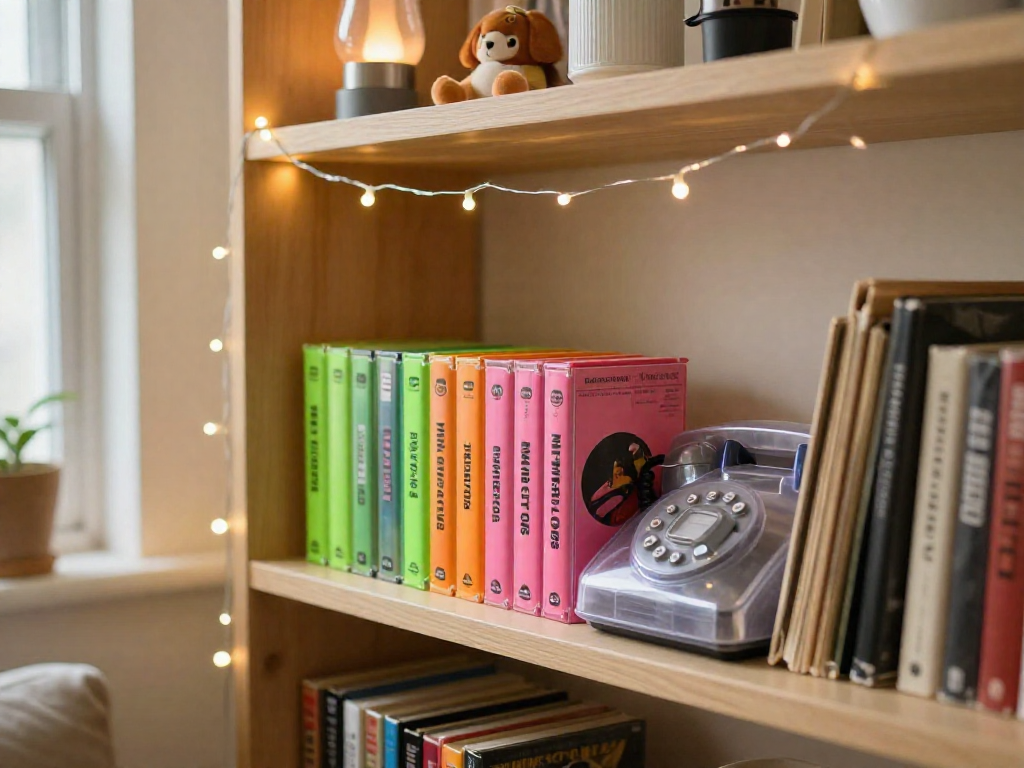
Here's something researchers keep finding: nostalgia isn't just a sweet little daydream. It's a coping tool, and it shows up most when we need it. Studies from the University of Southampton—where psychologist Constantine Sedikides helped revive serious nostalgia research in the early 2000s—found that people feel nostalgic far more often when they're lonely, stressed, or facing uncertainty. The feeling doesn't pull us down; it actually steadies us.
A big part of that steadying comes from continuity. When life feels chaotic—a job change, a move, a world that suddenly looks unfamiliar—nostalgia quietly reminds you who you are. Pulling out a worn cassette or spotting the exact Saturday-morning cartoon you grew up on reconnects "you now" with "you then." That thread of selfhood is grounding. You're not starting from scratch; you're still the same person who memorized those lyrics or saved quarters for the arcade.
This is also why turmoil tends to spark retro revivals. When the present feels shaky, the past looks like a safe harbor—familiar, already survived, comforting by definition. It's no accident that vinyl sales started climbing again during years of economic anxiety, or that '90s fashion and toy reboots come roaring back whenever the culture feels stretched thin. Trends move in cycles partly because every generation reaches for its own "good old days" when the new days get hard. The objects change; the impulse doesn't.
And the payoff is real. Looking back doesn't just soothe—it lifts. Research links nostalgic reflection to better mood, a stronger sense of meaning, and even more optimism about the future. Remembering that you once belonged, once felt joy, once made it through, makes it easier to believe you can again.
So if you've found yourself hunting down the toys, tapes, or games of your childhood lately, you're not being silly or stuck. You're doing something your brain is wired to do: reaching backward to feel a little more whole going forward.
From Feeling to Collecting: Why We Buy Our Childhoods Back
Here's the thing about nostalgia: it's frustratingly intangible. That warm rush when you hear the dial-up modem screech or catch the plasticky smell of a fresh pack of trading cards—it arrives, floods you, and then fades. Collecting is how we try to catch it. When you hold the actual Game Boy you played under the covers, or a sealed VHS of a movie you wore out on the family TV, you're not really buying plastic and cardboard. You're buying back a version of yourself, and a slice of time you can't otherwise return to.
That's also why the object you personally owned (or desperately wanted but couldn't afford) hits hardest. A generic "90s toy" does nothing. But the specific Skip-It, the Talkboy you begged for after Home Alone 2 hit theaters in 1992, the Lisa Frank trapper keeper that lived in your backpack—those land like a gut punch. The unattainable ones are sometimes the most powerful of all, because you get to finally close a loop your 10-year-old self left open.
Buying Nostalgia vs. Curating It
There's a real difference between buying nostalgia and curating it. Buying is grabbing whatever retro thing the algorithm shoves at you at 11 p.m. Curating is choosing items that mean something to your story. The first leaves you with a closet of impulse clutter; the second builds a small, personal museum you actually love walking past.
A few honest guardrails before you start spending:
- Set a per-item ceiling before you browse. Most beloved 90s items—loose action figures, common cassettes, sports cards from the overproduced "junk wax" era (roughly 1987–1994)—run $5–$25, not hundreds. Sticker shock is usually a sign you're paying for hype, not memory.
- Ask "Does this connect to a real memory?" If the answer is "no, but it's old," put it down. Age alone isn't a reason.
- Start with one category. Pick a single lane—your favorite cartoon, one console, one toy line—so your collection has a thread instead of becoming random shelf chaos.
- Where to look: thrift stores, estate sales, local Facebook Marketplace, and eBay's "sold" filter (to learn real prices, not wishful asking prices).
Nostalgia is a wonderful reason to start collecting. Just let it guide you—not stampede you into checkout.
Channeling Nostalgia: Beginner Tips That Won't Break the Bank
Here's the good news: you don't need deep pockets or a collector's encyclopedia to start. The best collection isn't the most expensive one—it's the one that actually makes you smile when you walk past it.
Start with what you remember, not what's "valuable." Skip the price guides for now. Chase the cassette you wore out in your Walkman, the action figure you lost at recess, the strategy guide you read until the cover fell off. Emotional payoff beats resale value every time, and the stuff that moved you is almost always cheaper than the hyped grails.
Pick affordable entry points. Sealed, graded items are where prices spiral. Instead, hunt the everyday stuff that survived in drawers and basements:
- Cassettes and CDs – often $1–$5 at thrift stores
- Loose toys (no box) – a fraction of "complete in box" prices
- Old magazines like GamePro, Tiger Beat, or Nintendo Power – usually a few bucks
- Game and toy manuals – cheap, compact, and packed with nostalgia
Know where to look cheaply. Thrift stores and Goodwill are gold for music and books. Estate sales and yard sales move fast and price low—show up early. Online, search eBay for "bulk lot" or "junk drawer lot" listings, and check Facebook Marketplace locally to dodge shipping costs.
Quick checks before you buy: make sure cassettes aren't moldy or warped, test that toy joints aren't cracked, and skip anything water-damaged unless it's nearly free. A flashlight and two minutes of inspection save regret.
Display it, don't hoard it. A shelf of cassettes by the record player or a few figures on your desk turns nostalgia into something you live with daily. Boxes in the attic give you nothing.
Set a small budget and stick to it. Even $20–$30 a month keeps the hunt fun instead of stressful. The thrill is in the find, not the spend—and a tight budget makes every score feel earned. Nostalgia should lighten your mood, never your wallet by accident.
See also
- Beginner's Guide to Collecting Cassette Tapes
- How to Spot Real vs. Reproduction Retro Toys
- Best Thrift Store Tips for Finding Retro Treasures
- A Beginner's Guide to Starting a Vinyl Collection on a Budget
- The Most Iconic 90s Toys Worth Hunting For
Related articles
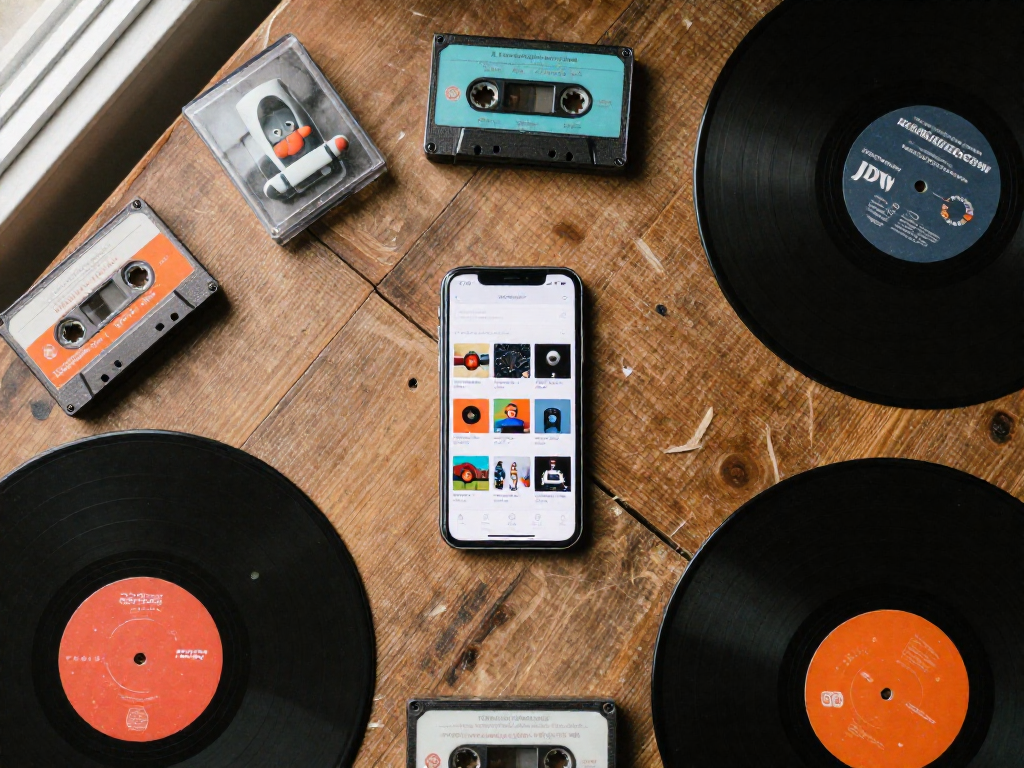
How to Insure and Catalog a Growing Collection
Learn how to catalog your retro collection with free tools and protect it with the right insurance. Simple, beginner-friendly steps you can start today.
Jun 27, 2026 · 10 min read
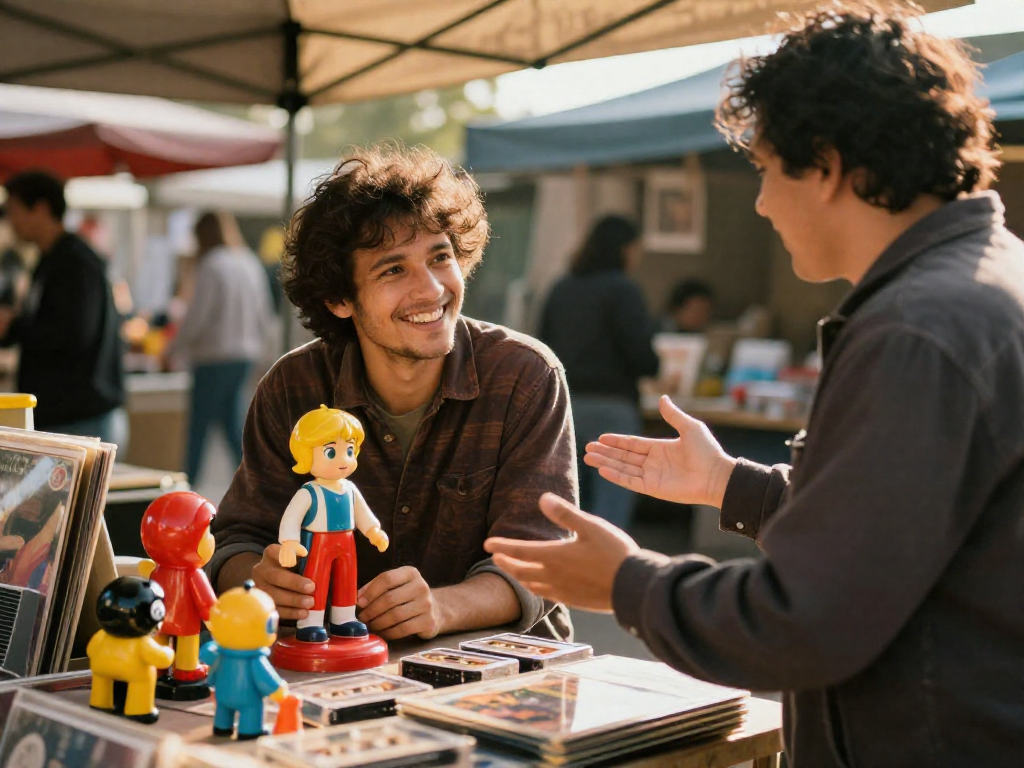
How to Negotiate Prices Without Being Awkward About It
Learn how to negotiate prices on retro collectibles without the awkwardness. Friendly scripts, fair offers, and beginner tactics for vinyl, toys, and more.
Jun 27, 2026 · 7 min read
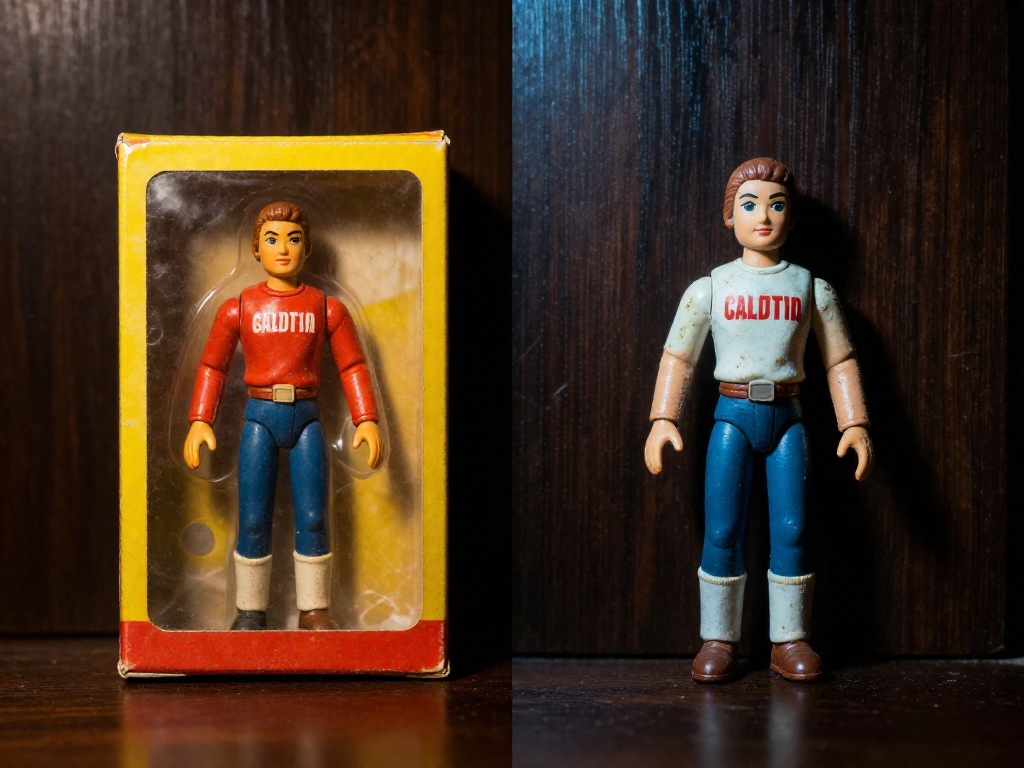
A Quick Glossary of Collecting Terms Every Beginner Should Know
Confused by MIB, NM, repro, and OOP? This beginner-friendly glossary explains the retro collecting terms you'll see on eBay, in groups, and at flea markets.
Jun 27, 2026 · 5 min read