A Quick Glossary of Collecting Terms Every Beginner Should Know
What do common collecting terms mean?
On this page
How to Use This Glossary
Think of this as a cheat sheet, not a textbook. Instead of a strict A-to-Z list, we've grouped terms by theme — condition, packaging, authenticity, and the market — so you can jump straight to whatever's tripping you up in the moment.
You'll spot most of these acronyms out in the wild: in online listings, in collector groups, and scribbled on tags at flea markets and yard sales. No prior experience needed.
Quick tip: bookmark or pin this page so it's a tap away while you're shopping. Half the fun is decoding the lingo as you hunt.
Condition & Grading Terms
Condition is the single biggest thing that moves a price, so let's untangle the lingo before you hand over a dime.
- Mint (M) means flawless, like it just rolled off the line in 1985. True mint is genuinely rare, so be skeptical when a $5 garage-sale cassette gets called "mint."
- Near Mint (NM) is the realistic top end for most vintage finds: gorgeous, with maybe a tiny flaw you have to hunt for.
- VG (Very Good) and G (Good) are honest, lived-in grades. "Played" or "poor" means it shows real wear (scuffs, ring wear on sleeves, light scratches) and prices drop accordingly.
You'll also see numbered scales (often 1–10) and lettered ones (VG / EX / NM). When something is graded or slabbed, a third-party company has inspected it, assigned a score, and sealed it in a tamper-proof case — common for comics, cards, and some toys.
Here's the catch: condition is subjective, and one seller's "VG" is another's "Good." That gap is where disputes start.
Beginner steps: ask for clear, well-lit photos of corners, edges, and play surfaces; check return policies; and for anything over roughly $50, lean toward graded items or buy in person so you can judge for yourself.
Packaging & Completeness Terms
If you've ever browsed a listing and felt like you wandered into alphabet soup, you're not alone. Packaging acronyms can feel like a secret handshake, but they're easy once you know the pattern — and they matter, because the box is often where most of an item's value lives.
Here's the cheat sheet:
- MIB (Mint in Box): The item is in great shape and still has its original box.
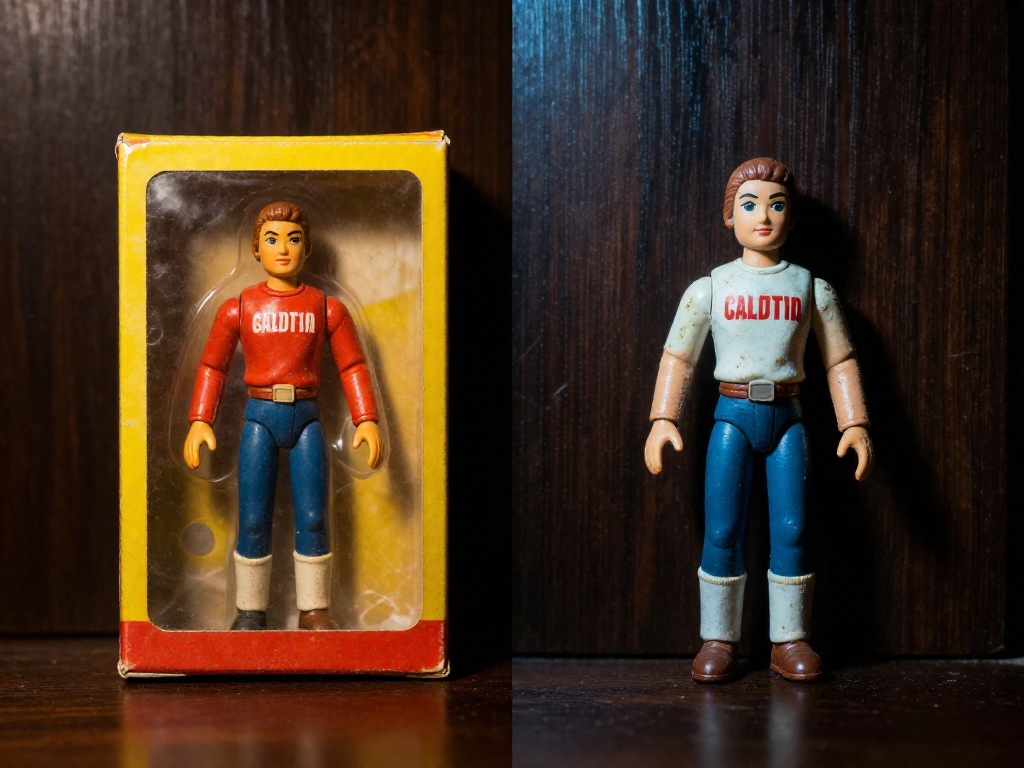
- MIP (Mint in Package) / MOC (Mint on Card): Same idea, but for toys that came shrink-wrapped or stapled to a cardboard backer card with a clear plastic blister or bubble over the figure.
- MISB / sealed / factory-sealed: Never opened. The original seal is intact, which usually commands the highest prices.
- Loose: Removed from the packaging. Totally fine to collect and far cheaper!
- CIB (Complete in Box): The item plus everything it shipped with — instructions, accessories, inserts, even that tiny weapon your action figure always lost.
Beginner tip: Before you buy, ask for photos of the box's corners and edges to spot box wear (creases, fading, dents). "Complete" should mean every original piece is there — so request a checklist. If you're starting out, loose items are a budget-friendly way to build a collection you'll actually enjoy displaying.
Authenticity & Reproduction Terms
Nothing stings like discovering your "vintage" find rolled off a printer last year. A little vocabulary goes a long way toward keeping your money where it belongs.
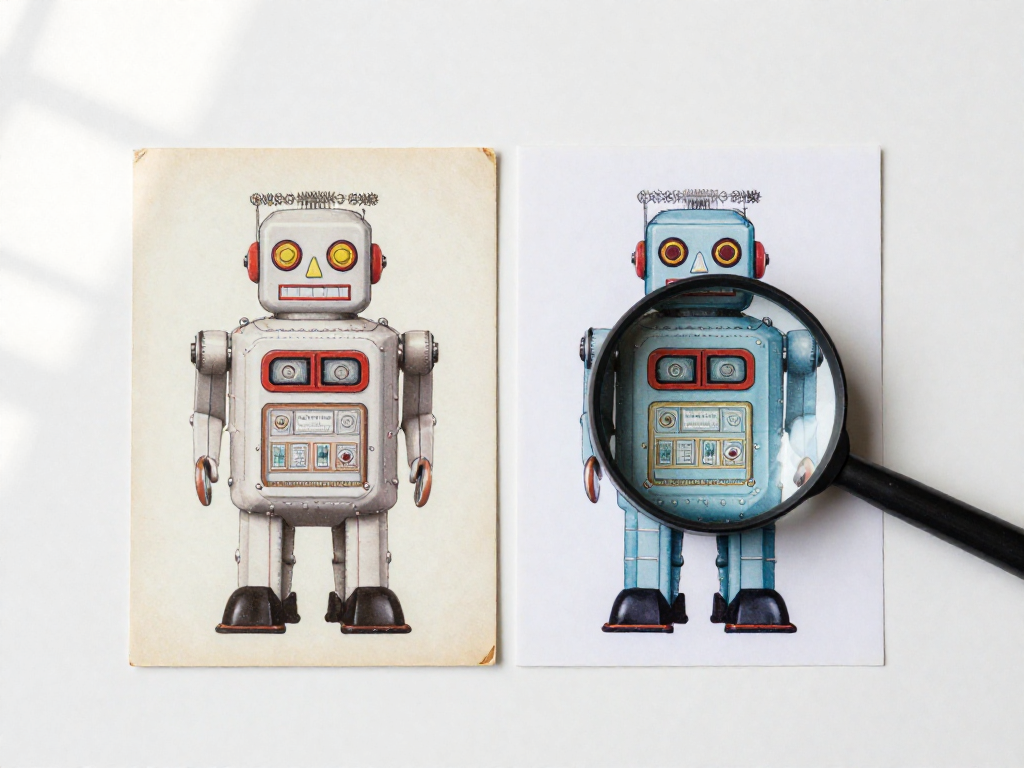
- Repro (reproduction), bootleg, knockoff, KO — All mean "not the real deal," in rising shadiness. A repro is an honest modern copy (great for filling gaps cheaply); a bootleg or knockoff/KO is an unofficial imitation, sometimes sold as genuine. Check seams, fonts, and printing quality up close.
- OG/original vs reissue vs reprint — OG is the first run from the original era. A reissue or reprint is an official later pressing—still legit, just usually worth less. Look for date codes, catalog numbers, or "this edition" notes.
- COA (Certificate of Authenticity) — Only as trustworthy as who signed it. A COA from a recognized third party (like JSA or PSA for autographs) means something; a printout from a random seller doesn't.
- Restored, refurbished, franken — Restored/refurbished items have been cleaned or repaired; a franken is built from mixed parts. Both are fine if disclosed—just ask before you buy.
When in doubt, search the exact item plus "repro vs original" and compare photos before paying.
Market & Buying/Selling Terms
Once you start browsing listings, you'll bump into a wall of shorthand. Here's your decoder ring.
You'll see OOP (out of print) and HTF (hard to find) on anything no longer made — think a discontinued vinyl pressing or a long-gone action figure line. A grail is the one piece you'd love above all others, the white whale of your collection.
On marketplaces like eBay, a lot means several items sold together (great value for beginners). BIN (Buy It Now) lets you skip bidding and pay a fixed price, while OBO (or best offer) invites you to haggle politely. A reserve is a hidden minimum the seller will accept — bids below it won't win.
Then there's product lingo: a variant is an alternate version (different cover, color, or packaging), a chase is a rare variant deliberately seeded in small numbers, and an exclusive is sold only at one retailer or event.
Finally, provenance is an item's backstory — original receipt, signed tag, or known previous owner. Documented history can meaningfully bump value, so save those receipts and photos.
Quick-Reference Cheat Sheet
Screenshot this one and pin it for your next flea-market run—everything in one glance.
Condition & Grading
| Term | Quick Meaning |
|---|---|
| Mint | Looks brand-new, no flaws |
| NM (Near Mint) | Tiny wear only |
| VG (Very Good) | Played/handled but solid |
| Grading | A score for an item's condition |
Packaging & Completeness
| Term | Quick Meaning |
|---|---|
| MIB | Mint in Box |
| MOC | Mint on Card |
| CIB | Complete in Box |
| Loose | No packaging |
Authenticity & Market
| Term | Quick Meaning |
|---|---|
| Repro | Reproduction, not original |
| Bootleg | Unlicensed copy |
| OOP | Out of Print |
| Comp | Comparable recent sale price |
See also
- Beginner's guide to starting a retro collection on a budget
- How to spot fakes and reproductions at flea markets
- How to grade vintage toy and vinyl condition
- Where to buy retro collectibles without overpaying
Related articles
Why We Get So Nostalgic for the 90s, According to Memory
Why does retro stuff make us so nostalgic? The memory science behind 90s nostalgia—and why we collect the toys, tapes, and games of our childhood.
Jun 27, 2026 · 10 min read
How to Insure and Catalog a Growing Collection
Learn how to catalog your retro collection with free tools and protect it with the right insurance. Simple, beginner-friendly steps you can start today.
Jun 27, 2026 · 10 min read

How to Negotiate Prices Without Being Awkward About It
Learn how to negotiate prices on retro collectibles without the awkwardness. Friendly scripts, fair offers, and beginner tactics for vinyl, toys, and more.
Jun 27, 2026 · 7 min read