Quick Reference: Retro Console Release Years and Lifespans
When did the major retro consoles launch and end?
On this page
How to Read This Timeline (Launch vs. Discontinuation vs. Lifespan)
Before we dive into the tables, let's get on the same page about a few terms—because dates can get fuzzy fast.
- Launch year means the original US release. When a console hit Japan first (and many did), we'll call that out so you're not confused by a date that seems "off."
- Discontinuation is when the manufacturer actually stopped production or official support—not when stores cleared the shelves.
- Lifespan counts the years a console was actively sold, which isn't the same as how long it stayed cool or beloved.
One last thing: we group consoles by generation because rival systems competing in the same era (think SNES vs. Genesis) tells you far more than release dates alone.
Third & Fourth Generation: The 8-Bit and 16-Bit Era (1983–1996)
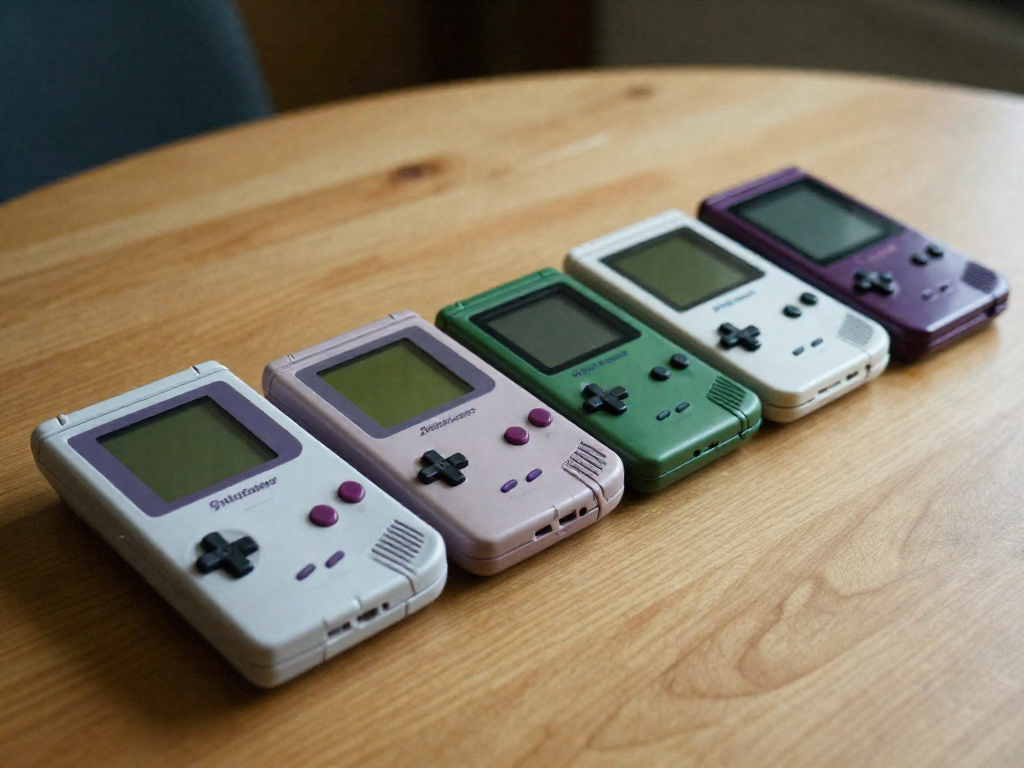
If you grew up blowing into cartridges, this is your stretch of the timeline. After the 1983 crash nearly killed home gaming in the US, the Nintendo Entertainment System (NES) rode in like a rescue mission. It launched stateside in 1985 and hung around until 1995 — a full decade that single-handedly revived the industry.
The Sega Master System (US 1986–1992) was the scrappy underdog: technically capable, but it never caught the NES. Then the 16-bit guns came out. The Sega Genesis/Mega Drive (US 1989–1997) brought arcade-style speed and attitude, while the Super Nintendo (SNES) (US 1991, discontinued 1999) answered with richer color and unforgettable soundtracks. Quietly debuting alongside them, the TurboGrafx-16 (US 1989) had a short, frustrating American run despite being a hit in Japan.
Lifespan at a glance: the SNES wins for longest official US life at roughly eight years, with the NES close behind at ten years on shelves.
Beginner collecting tip: Loose, untested NES and Genesis consoles turn up constantly at thrift stores, estate sales, and local Facebook Marketplace listings for $25–$60. Before you buy, check the cartridge slot pins for corrosion and ask if it powers on — cosmetic yellowing is normal and won't hurt play.
Fifth & Sixth Generation: The Jump to 3D and Discs (1994–2006)
If your nostalgia smells like a CD jewel case and a controller with a chunky analog stick, this is your era. The mid-90s through mid-2000s is when games leapt into 3D and traded cartridges for discs.
The fifth generation (the 32/64-bit years):
- Sony PlayStation — US launch 1995, discontinued 2006. An unusually long run for a single console, which means units are everywhere and cheap.
- Nintendo 64 — US 1996, discontinued 2002. The last big cartridge holdout.
- Sega Saturn — US 1995, short-lived and a commercial stumble in the States, so it's rarer today.
- Sega Dreamcast — US 1999, discontinued 2001. Beloved, gone too soon, and a fun "underdog" pickup.
The sixth generation (the disc era hits its stride):
- PlayStation 2 — US 2000, discontinued 2013. The best-selling console ever, with the longest lifespan on this list.
- Nintendo GameCube — US 2001, discontinued 2007. Those little discs and the handle on the back.
- Original Xbox — US 2001, discontinued 2006. Microsoft's first swing.
Beginner tip: Because the PS1 and PS2 sold in massive numbers, loose consoles routinely turn up for $30–$60 at thrift stores, flea markets, and local listings. Always check that the disc tray opens and that the original AV and power cables are included—missing cables are the most common hidden cost.
Handhelds at a Glance (Game Boy to PSP)
If your nostalgia lives in your pocket, these are the portables collectors ask about most. Here's a quick cheat sheet of US launch and discontinuation years:
| Handheld | US Launch | Discontinued |
|---|---|---|
| Game Boy | 1989 | 2003 (end of the GB line) |
| Sega Game Gear | 1991 | 1997 |
| Game Boy Advance | 2001 | 2008 |
| Nintendo DS | 2004 | 2014 |
| Sony PSP | 2005 | 2014 |
Beginner tip: Handhelds are one of the friendliest places to start. Loose, working units often turn up at thrift stores, flea markets, and yard sales for pocket money, and eBay "sold listings" will show you what people actually pay. Before you buy, check the screen for dead pixels or scratches, test the buttons, and pop open the battery compartment to look for corrosion or leak damage. A clean contact tray and a crisp screen matter far more than the box—so don't feel pressured to chase pricey "complete in box" copies when a tidy, playable unit will do.
At-a-Glance Lifespan Chart: Shortest vs. Longest Runs
Here's the comparison worth screenshotting. Some consoles stuck around for over a decade, while others vanished from US shelves in just a few years.
| Console | Approx. US Lifespan | Notes |
|---|---|---|
| PlayStation 2 | ~13 yrs (2000–2013) | Best-selling console ever; huge game library |
| Nintendo DS | ~9 yrs (2004–2013) | Massive, easy-to-find catalog |
| Sony PSP | ~9 yrs (2005–2014) | Long run, deep library |
| Sega Saturn | ~3 yrs (1995–1998) | Short US run, smaller library |
| Sega Dreamcast | ~2 yrs (1999–2001) | Cult favorite, beloved by collectors |
| TurboGrafx-16 | ~4 yrs (1989–1993) | Rare stateside, niche titles |
Why short runs cost more today: fewer units sold and fewer games printed means scarcer supply now. A long-lived system like the PS2 has cheap, plentiful games; a Saturn or Dreamcast often commands a premium simply because less of it exists.
Beginner tip: start with long-run consoles—PS2 and DS games turn up at thrift stores and flea markets for $3–$15, making them the friendliest, most affordable entry point.
What 'Lifespan' Means for Collectors
Those release and discontinuation dates aren't just trivia—they're a cheat sheet for what you'll pay and how hard you'll hunt. Here's how to read them:
- Short production runs mean scarcer hardware. A console that was on shelves only a couple of years simply had fewer units made, so working systems tend to cost more. Be patient and set a price alert.
- Long production runs are your friend. Consoles sold for a decade are everywhere and cheap—perfect first buys. Expect to find tested units at thrift stores, flea markets, and local listings for modest prices.
- Late-life games can outvalue launch titles. Titles released near the end of a console's run often had smaller print runs, making them rarer than the famous launch games.
- Check region and revision. Dates and value shift between US, Japanese, and European versions, plus hardware revisions—so confirm exactly what you're holding before you buy or sell.
See also
- Beginner's guide to starting a retro game collection on a budget
- How to spot fake or reproduction retro game cartridges
- Best affordable retro consoles for first-time collectors
- Region codes explained: NTSC vs PAL for collectors
- How to clean and maintain vintage game consoles
Related articles
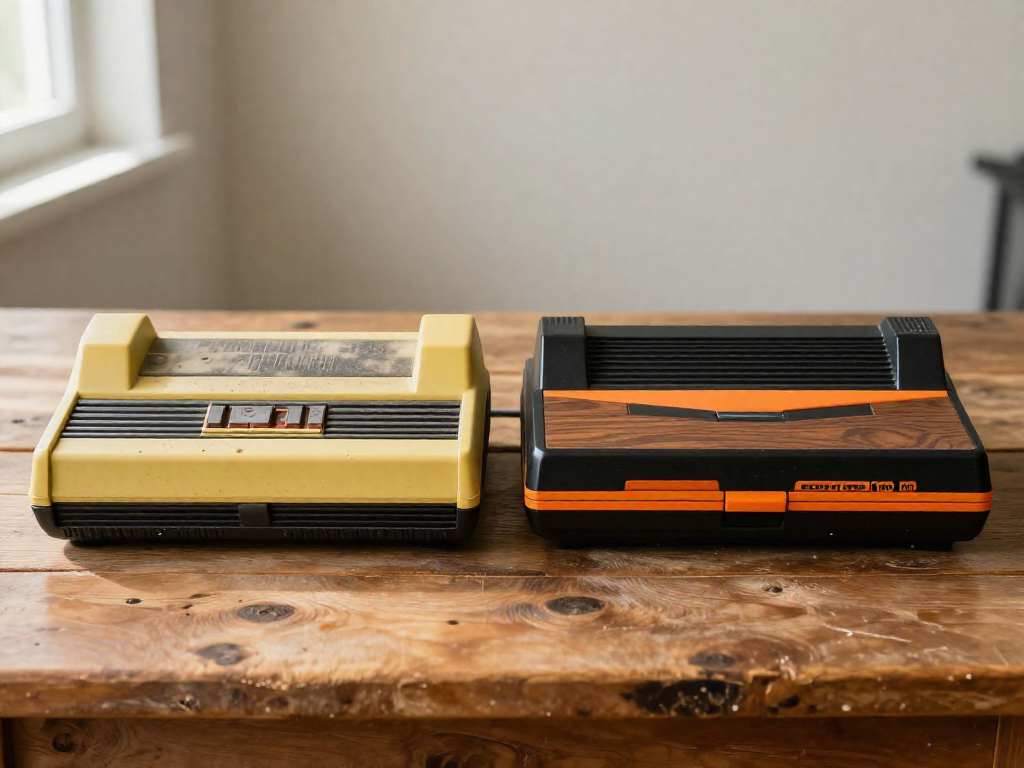
The Atari 2600 at Home: A Beginner's Restoration Primer
Found a dusty Atari 2600? Learn gentle, beginner-friendly cleaning and basic fixes to revive your first vintage console—no soldering or big budget required.
Jun 27, 2026 · 12 min read
The Quietly Brilliant Tech of the Sony Trinitron, Explained
Why do retro gamers prize CRT TVs like the Sony Trinitron? Here's the clever tech inside, why it beats flat screens for retro play, and what to look for.
Jun 27, 2026 · 10 min read
A Field Guide to Spotting Fake Retro Games and Cartridges
Worried a retro game is a fake? Use this field guide to spot counterfeit cartridges, boxes, and labels with simple visual and physical tells anyone can check.
Jun 27, 2026 · 7 min read