What Makes a Vintage Toy Valuable? The Real Factors
What determines how much a vintage toy is worth?
On this page
The Short Answer: Four Forces Set the Price
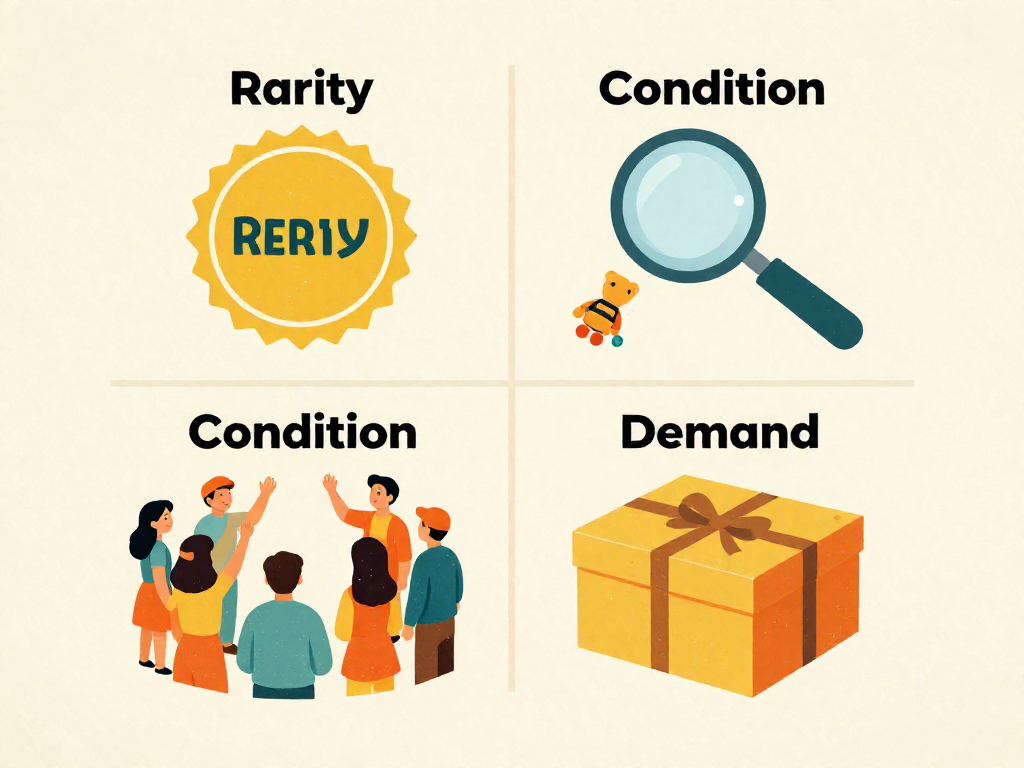
If you've ever wondered why one dusty action figure sells for grocery money while its twin pulls a car payment, here's the secret: four forces decide a vintage toy's worth.
- Rarity — How few were made, or how few survived. Low supply nudges prices up.
- Condition — Scratches, fading, missing pieces, and play wear all chip away at value.
- Demand — Someone has to actually want it. A beloved franchise beats an obscure one every time.
- Packaging — A sealed box or unopened blister card can multiply the price several times over.
Here's the part most people miss: value lives at the intersection of all four, not in any single one. A toy can be rare and still cheap if nobody's chasing it.
And about that warm fuzzy feeling? Nostalgia is what makes collecting fun, but it doesn't automatically equal money in your pocket. In fact, a common toy still sealed in mint packaging can easily out-earn a rare one that's been loved to pieces. Keep these four in mind as we dig into each below.
Rarity: Why Scarce Isn't Always Valuable
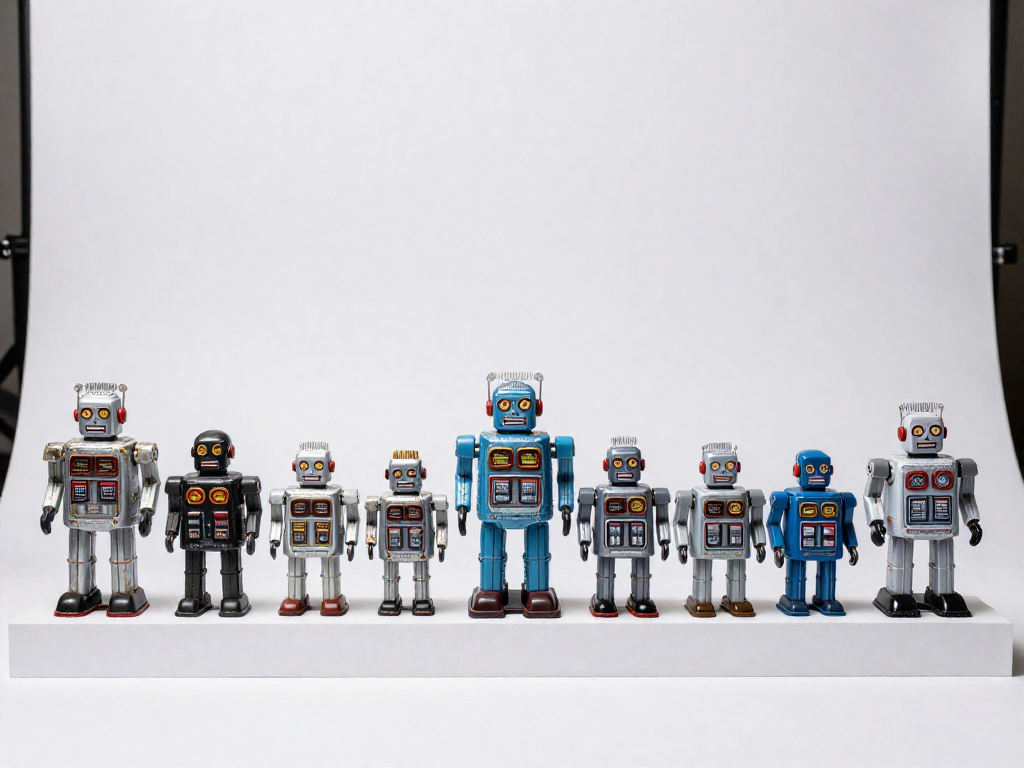
Here's the myth worth busting first: "rare" and "valuable" are not the same thing. Plenty of vintage toys are genuinely hard to find, and almost no one will pay you a dime for them. Value shows up only when scarcity meets demand.
It helps to split rarity into two kinds. Production rarity is about how few were ever made — limited runs, oddball color variants, or factory errors. Survival rarity is about how few made it to today in good shape. These often point in opposite directions, and that's where beginners get tripped up.
Take a wildly mass-produced toy. Millions of original Star Wars action figures rolled out after 1977, so the figures themselves aren't rare. But a 1978 figure still sealed on an unpunched card? That's survival rarity, and it can command serious money precisely because almost everyone tore the packaging open as a kid.
Then there are the genuine value spikes: factory errors (misprints, wrong paint apps), unreleased prototypes, and regional exclusives that never shipped in your country. These are the items that make collectors lean in.
And the trap — the one that costs people money — is "rare but nobody wants it." A forgotten 1980s promotional toy from a defunct fast-food chain might be nearly impossible to find, and still sell for $3, because there's no fan base chasing it.
What to do as a beginner:
- Before assuming something's valuable, search sold (not asking) listings on eBay to see what people actually pay.
- Check condition first: intact packaging, no fading, all accessories present.
- Note variants — paint, stamps, and "Made in" markings can separate a $10 toy from a $100 one.
Condition: The Grading Scale That Decides Everything
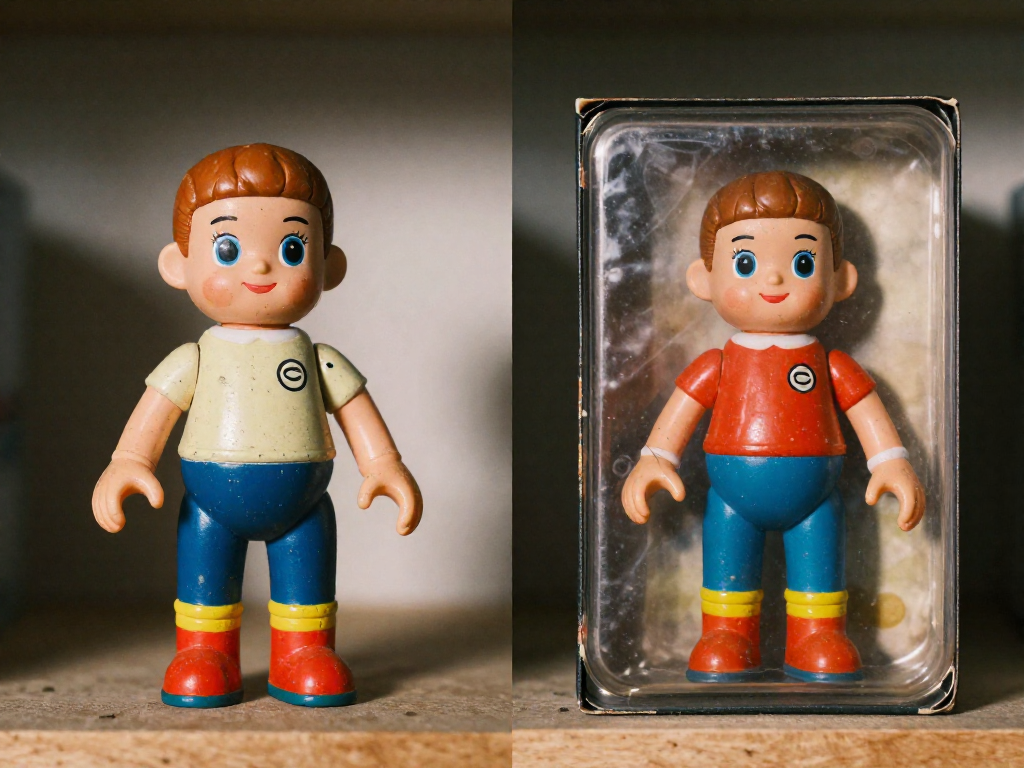
Here's the part that surprises most people: two copies of the exact same 1980s action figure can sell for $15 or $150, and the only difference is condition. That's not an exaggeration—condition routinely swings value tenfold.
Think of it as three big buckets. A loose toy is the one you actually played with: out of the package, maybe missing its accessories. A complete toy is loose but has all its original bits—the cape, the little gun, the instruction sheet. And mint-in-box (MIB) means it never left the package and looks like it just rolled off the shelf. Each step up the ladder is a big jump in price.
You'll bump into shorthand pretty fast. Collectors borrow comic grading's C-scale, where C10 is flawless and C1 is a wreck; NM means near mint; MIB is mint-in-box; and MOC means mint-on-card (still sealed to its cardboard backing). None of it is gatekeeping once you know the decoder ring.
Small flaws matter more than you'd think. Sun fading turns a bright red Transformer pink. Sticker wear, peeling decals, a price tag torn off the card, or joints that have gone loose and floppy all knock a grade down a notch. When you're shopping, hold the item to natural light, gently test the joints, and check the back of the card for creases.
Should you pay for professional grading (slabbing)? For a common $20 toy, no—the fee eats your profit. It's worth it only for genuinely high-value or disputed pieces where a sealed, authenticated grade reassures buyers. For beginners, learn to grade your own honestly first. Your eyes get sharper with every yard sale.
Demand: Nostalgia Cycles and Who's Buying
Here's the part that trips up a lot of beginners: a toy is only worth what someone will actually pay for it today. Rarity and condition set the stage, but demand pulls the strings. And demand isn't fixed — it rides waves.
The big one is the 20-to-30-year nostalgia cycle. People tend to chase the toys of their childhood once they hit their 30s and 40s and finally have disposable income. That's why the kids who grew up in the '80s and '90s are the ones bidding up that era now. As each generation ages into buying power, the spotlight shifts forward.
Some franchises barely feel the dips, though. Star Wars (1977), He-Man and the Masters of the Universe (1982), and Transformers (1984) have stayed evergreen because new fans keep arriving through reboots, cartoons, and films. A steady audience means steadier prices.
Then there are the temporary spikes. A new movie, a streaming series, or a reboot can send demand for related toys soaring — and just as quickly cool off once the hype fades. Great if you're selling into the buzz; risky if you're buying at the peak.
How to actually gauge demand (the beginner move):
- On eBay, search the item, then filter by Sold Items — not active listings.
- Asking prices are wishful thinking; sold prices are reality.
- Look at the last 5–10 sales to find a realistic range, and note how fast they sold.
Check sold data before you buy or sell anything. It's the single easiest habit that keeps you from overpaying — or underselling.
Packaging: Why the Box Can Be Worth More Than the Toy
Here's the twist that surprises almost every new collector: the cardboard you used to rip open on Christmas morning can be worth more than the toy inside. For a lot of vintage pieces, the original box, blister card, and those little plastic inserts and twist-ties aren't extras — they're the main event. A loose 1980s action figure might fetch a few dollars, but the same figure still sealed on its original card can jump into the hundreds.
Why such a gap? Almost nobody saved the packaging. Boxes got crushed, recycled, or tossed the second the toy came out, so intact ones are genuinely scarce. "Sealed" or "unopened" also guarantees the toy is untouched and complete — buyers are paying for that certainty, not just the artwork.
When you're checking a box, look closely at the corners (crushed or split ones drop the value fast), price stickers and tape residue, sun-fading, and yellowing on plastic blisters. Tears across the artwork or a missing insert matter more than light shelf wear.
Actionable beginner tip: at flea markets and estate sales, dig through bins for items with their boxes — sellers often price boxed and loose pieces the same, so a complete one is a quiet steal. And start a keep-the-box habit now: for anything modern you might collect, store packaging flat in a cool, dry spot away from sunlight. Future you will be glad you did.
How to Estimate What Your Toy Is Worth (Step by Step)
Pull that toy off the shelf — here's how to put a realistic number on it without guessing.
1. Pin down exactly what you have. "Star Wars figure" isn't enough. Look for the precise character, the year, and the variant. Tiny details matter: a Kenner Boba Fett from 1979 differs wildly from a later reissue. Check the back of the card, the bottom of the foot, or molded copyright dates. Knowing the exact version is half the battle.
2. Check what it actually sold for. Skip the wishful "asking" prices. On eBay, search the item, then filter by Sold Items to see real transactions. That's your ground truth. Cross-reference with a hobby price guide for context, but trust completed sales over any printed estimate.
3. Grade your condition honestly. This is where people fool themselves. Compare your toy side by side with the sold comps. Faded paint, a missing accessory, or play wear can cut value by half or more. A loose figure and a sealed-on-card one are two different markets — match yours to the right comp.
4. Buy and sell smart. For buying, toy shows, estate sales, and local listings often beat marketplace prices. For selling, eBay reaches the widest audience; Facebook groups and forums let you skip some fees. Whatever you do, don't accept the first lowball offer, and don't overpay in a bidding frenzy.
Start with one toy, run these four steps, and you'll learn the rhythm fast — no expertise required.
Common Myths That Cost Collectors Money
Before you open your wallet, let's clear up a few beliefs that quietly drain bank accounts.
- "It's old, so it's valuable." Age alone means little. A 1980s toy made by the millions is still common today. Scarcity plus demand drives price, not the calendar.
- "Limited edition" stamps. Marketing loves that phrase, but a "limited" run of 50,000 isn't scarce. Check actual production context, not the sticker on the box.
- Cleaning and restoring. It feels helpful, but scrubbing, repainting, or replacing parts can gut the value. Collectors prize original, untouched condition—even with honest wear. When unsure, leave it alone.
- Asking prices aren't real prices. A $300 listing tells you what someone hopes to get. What actually matters is sold prices. On eBay, filter by "Sold Items" to see what buyers truly paid.
Quick beginner move: before buying or selling, look up three to five completed sales of the same item. That single habit will save you more money than any insider tip.
See also
- Beginner's guide to starting a vintage toy collection on a budget
- How to spot fake or reproduction vintage toys
- The most valuable 80s and 90s toys to look for
- Where to buy and sell retro collectibles online
- How to store and protect your vintage toy collection
Related articles
Why Beanie Babies Were the Bubble That Burst
What really happened with the Beanie Babies craze? The hype, the hoarding, the crash—and what collectors can learn from one of the '90s biggest manias.
Jun 27, 2026 · 10 min read
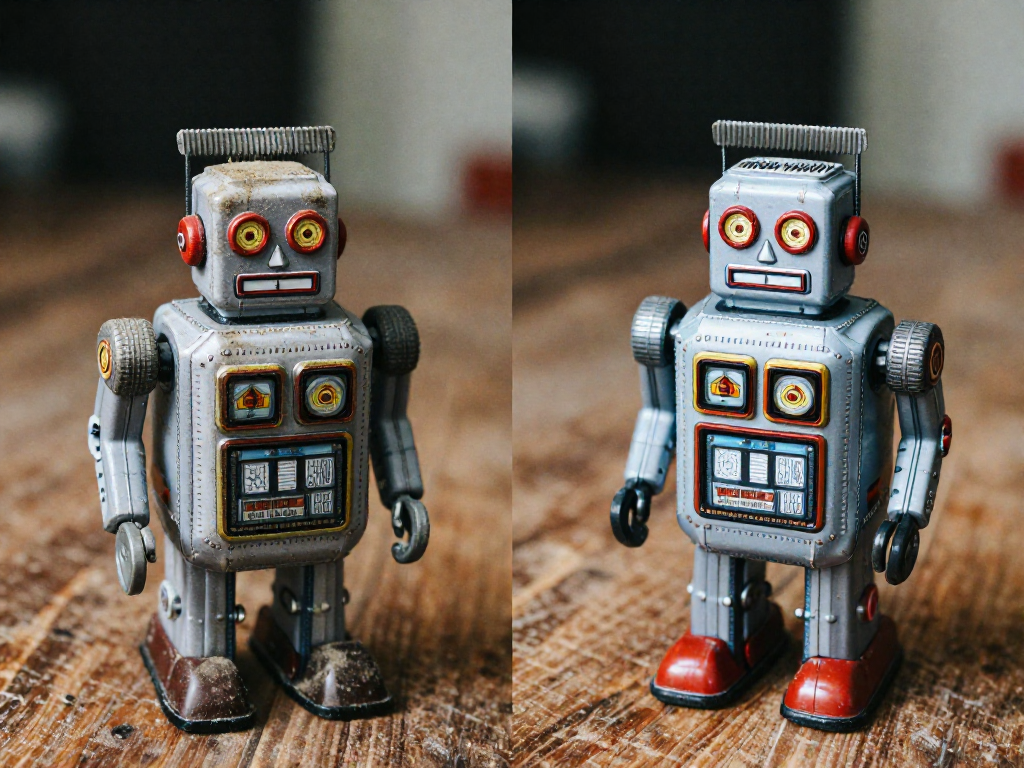
Cleaning and Restoring Grimy Vintage Toys the Safe Way
Learn gentle, safe ways to clean grimy vintage toys—plastic, vinyl, and stickers—without damaging paint, decals, or value. Beginner-friendly tips you can do today.
Jun 27, 2026 · 10 min read
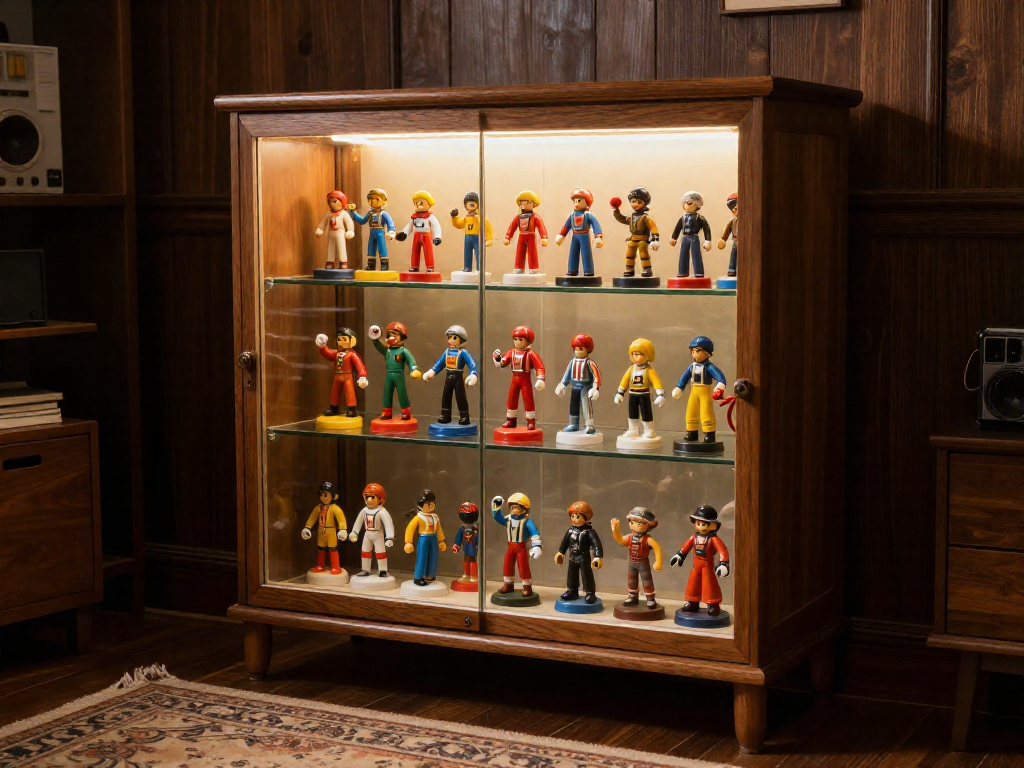
How to Display Your Toy Collection Without Damaging It
Learn how to display vintage toys safely with smart light, dust, and shelving solutions that protect their condition and long-term value.
Jun 27, 2026 · 8 min read