How to Display Your Toy Collection Without Damaging It
How should I display vintage toys safely?
On this page
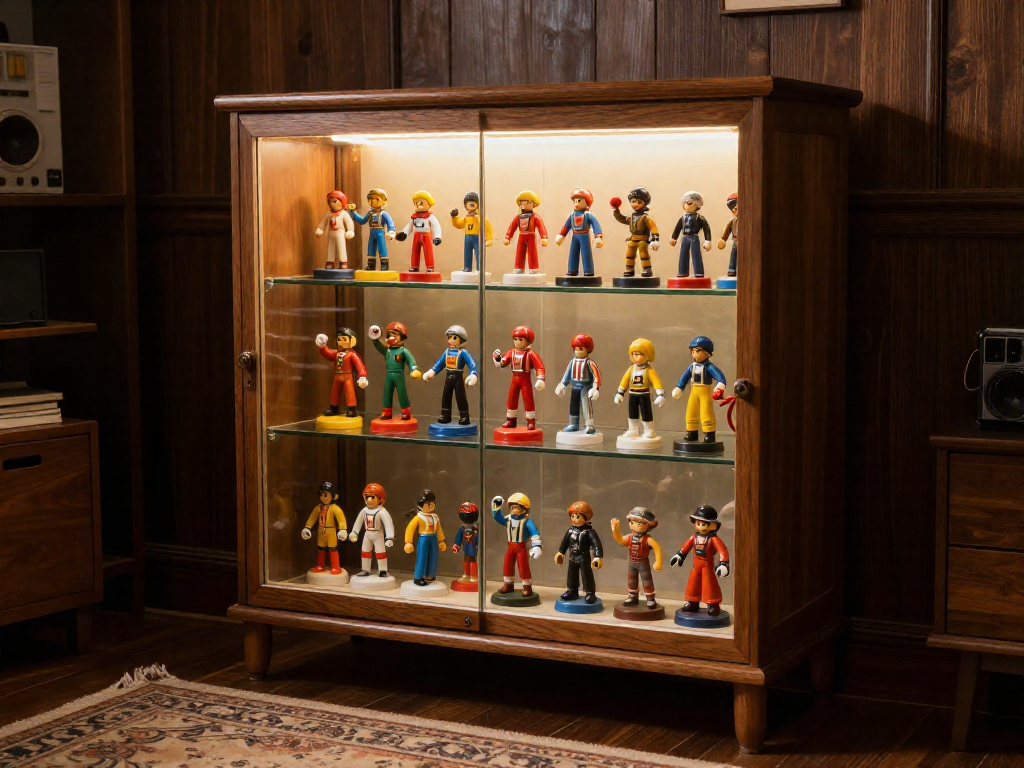
The Three Silent Threats to Displayed Toys
Here's the heartbreaking truth most of us learn the hard way: the toys you proudly set out on a shelf are slowly being damaged by your own living room. The good news? Once you know what you're fighting, protecting them gets a whole lot easier. There are really just three culprits.
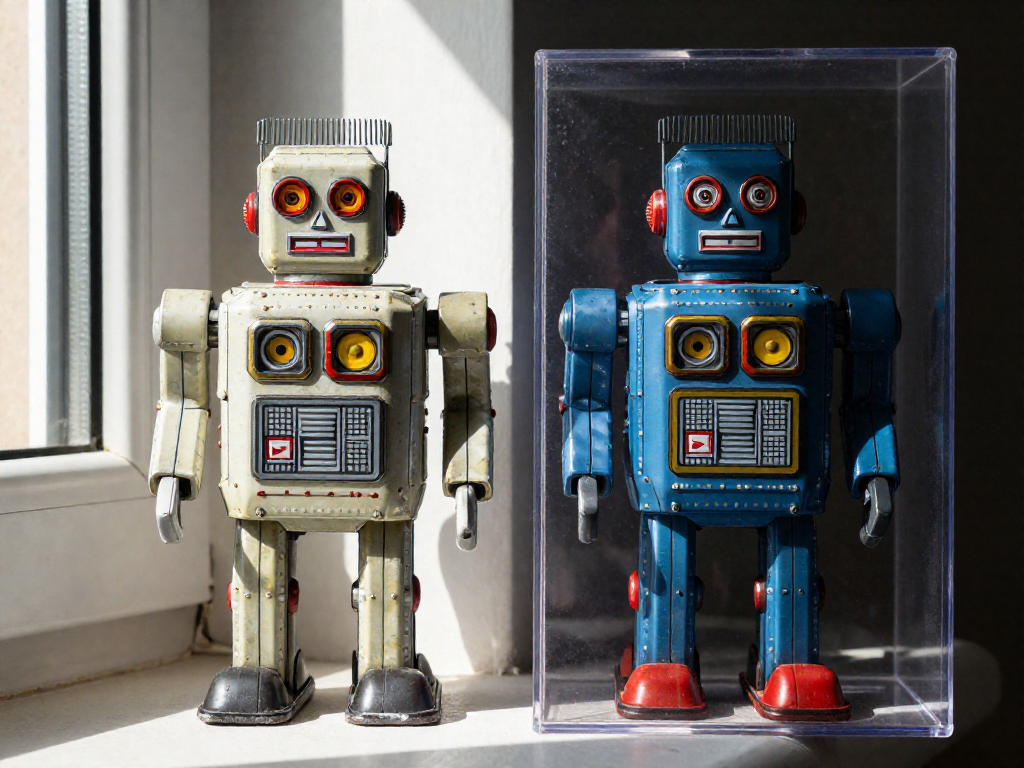
1. Light. Sunlight is the obvious villain, but even indirect daylight and warm bulbs fade plastics, paint, and that precious cardboard packaging. Reds and yellows go first—think of a once-vibrant He-Man figure looking sun-bleached and tired.
2. Dust and air. Dust isn't just ugly; it's mildly abrasive and pulls in moisture that creeps into seams. Worse, airborne pollutants (cooking grease, smoke, general city air) react with plastic and cause that dreaded yellowing on white and clear pieces.
3. Physical stress. Heat, swinging humidity, and plain old gravity slowly warp soft plastic, sag rubber limbs, and create stress cracks—especially on figures left leaning or carrying their own weight for years.
The sneaky part? All three work gradually. By the time the fading or yellowing is obvious, the damage is usually permanent. That's exactly why a little prevention now beats any cleanup later.
Controlling Light Without Hiding Your Collection
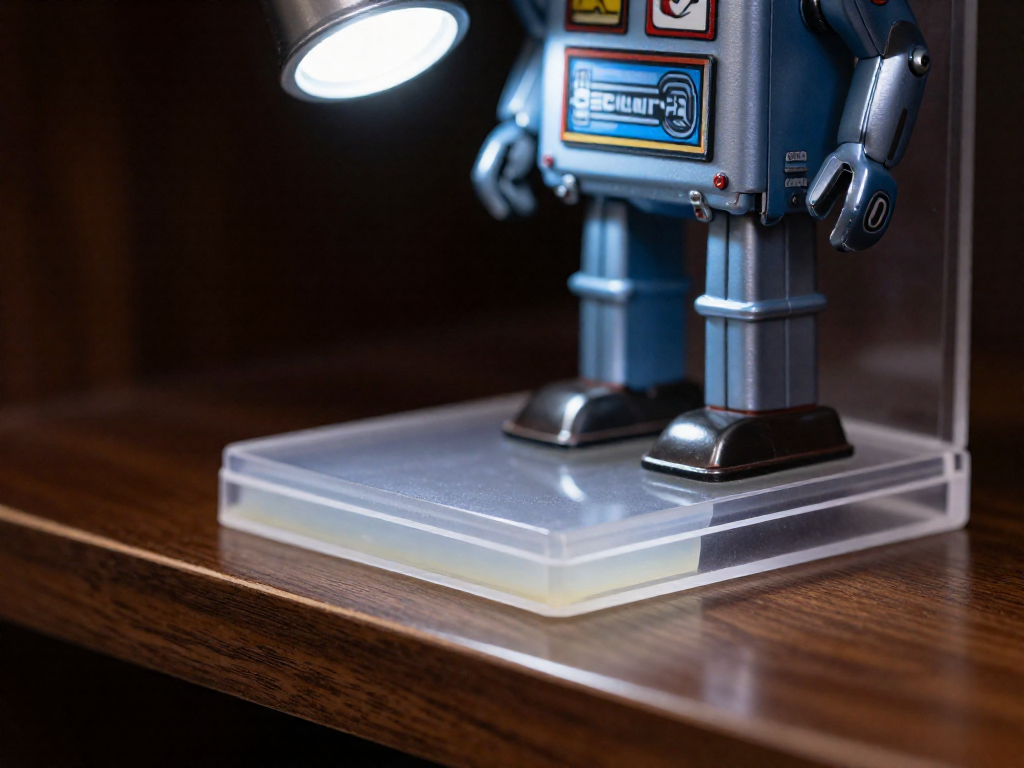
Sunlight is the quiet villain here. That golden afternoon glow that makes your shelf look great is also slowly cooking the colors out of your Star Wars figures and yellowing the white plastic on your old He-Man playsets. The good news? You don't have to lock everything in a closet to protect it.
Start with placement, because it's free. Keep displays away from direct window light, and treat south- and west-facing windows as the worst offenders — that's where afternoon sun hits hardest and lingers longest. A spot on an interior wall, or anywhere the sun never directly lands, instantly removes most of the risk.
Next, look at your bulbs. Swap any halogen or incandescent lighting for LED bulbs, which give off very little UV and almost no heat. You can find them at any hardware store for a few dollars each, and your toys won't bake under the display lights.
For windows you can't avoid, UV-filtering window film runs roughly $20–$40 for a small room's worth and applies like a big sticker. If you're buying or upgrading a cabinet, look for UV-blocking glass doors.
Finally, rotate your sun-exposed pieces every month or two. Turning figures around and shuffling positions spreads out any fading so no single side takes the full hit — a tiny habit that keeps the whole collection looking even.
Keeping Dust and Air Damage Out
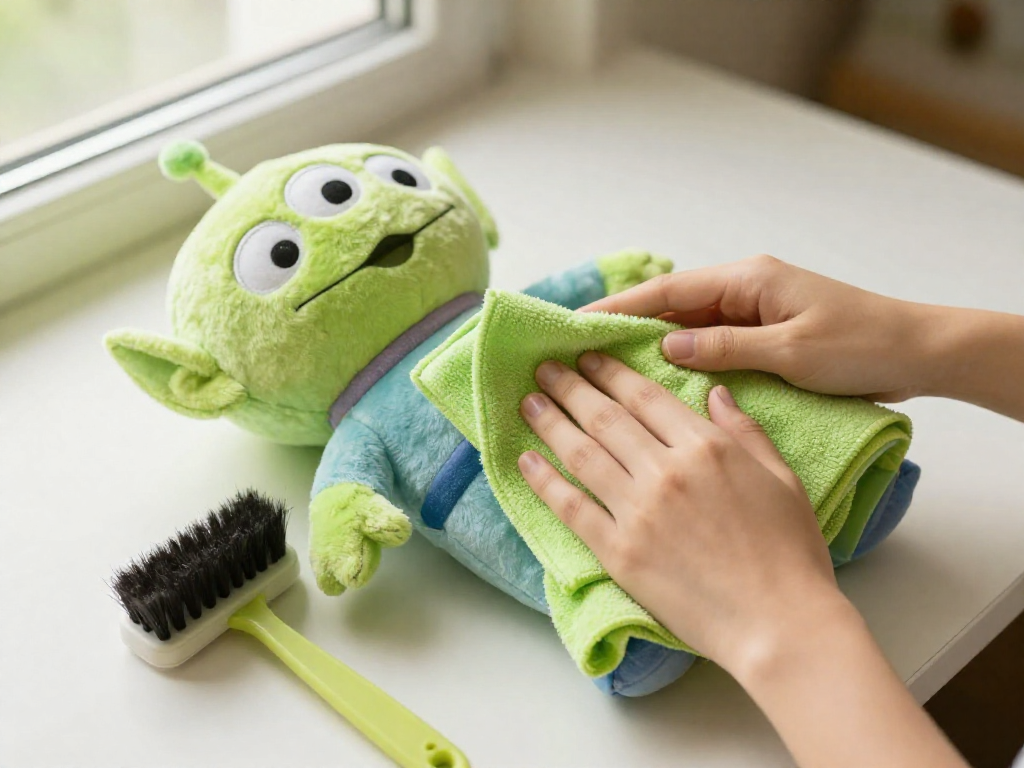
Dust isn't just unsightly—it traps moisture against plastic and paint, and over years it grinds into surfaces every time you wipe it off. The single best defense is putting a barrier between your toys and the open air.
Enclosed vs. open shelves. Open shelving looks great and costs little, but it turns your collection into a dust magnet and exposes everything to room air. Enclosed cabinets cut dusting chores dramatically and slow down yellowing. If a piece matters to you, get it behind glass.
Budget enclosures that work:
- Detolf-style glass cabinets (IKEA's run around $80–$120) are a collector favorite for a reason—tall, clear, and easy to add LED strips to.
- Acrylic display cases for single figures run roughly $10–$30 and keep grime off your grails.
- Clip-top plastic boxes are the cheapest option for stored or rotated pieces, often under $10.
Dust safely. Use a soft makeup or paint brush for crevices, a microfiber cloth for flat surfaces, and short bursts of canned air for hard-to-reach spots. Never spray household cleaners like Windex or Pledge directly on toys—the solvents can haze plastic, lift paint, and damage decals.
Fight humidity. Toss a few silica gel packets into enclosed cases to absorb moisture, the main culprit behind mold and that dreaded yellowing. Aim to keep your room around 40–50% relative humidity for the safest long-term storage.
Shelving and Mounting That Won't Stress Your Toys
Here's a truth that's saved many a collection: the shelf matters as much as the toy. That cheap particleboard unit you grabbed for $30 will start to bow under a row of die-cast cars or vinyl figures, and once it sags, your toys lean, topple, and rub against each other.
Start by checking weight ratings. Most flat-pack shelving lists a per-shelf limit (often 15–30 lbs); take it seriously, and anchor anything tall to a wall stud with an anti-tip strap. Heavy clusters? Spread them out instead of stacking one dense row.
Next, soften the surface. Bare wood can off-gas and bare metal can scratch, so line shelves with acid-free paper or thin craft foam (a roll runs $10–15). It's cheap insurance against scuffs and finish transfer.
For top-heavy figures and anything prone to tipping, grab a few doll or figure stands ($5–10 a pack) and a tub of museum putty (around $7). A pea-sized dab under each foot holds figures steady through bumps and curious cats without leaving residue.
Got boxed or mint-on-card (MOC) pieces? Keep them upright in acrylic stands or leaning back slightly against a support. Lying them flat or wedging them tight is how you get creased cards and sagging blister bubbles—the very flaws that tank resale value.
Boxed vs. Loose: Displaying Each the Right Way
Here's a distinction every collector runs into sooner or later: a toy still sealed in its packaging and a toy freed from the box are two very different things to care for.
If it's mint-on-card or boxed, the packaging often holds most of the value, so protect it like the treasure it is. Slip carded figures into a snug-fit acid-free sleeve (clamshell-style cases run roughly $2–$8 each), and stand boxed items upright so the cardboard doesn't bow under its own weight. Resist the urge to "just peek" inside — every open and reseal stresses the flaps and creases the card.
If it's loose, handle it like a tiny athlete with old joints. Pose figures gently, avoid forcing stiff hips or shoulders, and don't stretch decades-old elastic bands (common in vintage action figures from the '70s and '80s) — they grow brittle and snap. Repeated handling also rubs off paint and loosens pegs over time, so set a pose and leave it.
Quick win: snap a few clear photos of your valuable pieces before they go on the shelf. It's free, takes five minutes, and gives you a record for insurance or your own peace of mind.
A Simple Maintenance Routine
Here's the good news: keeping your collection safe doesn't mean fussing over it every day. A light, repeatable habit does the trick.
- Once a month: Dust shelves and figures with a soft microfiber cloth, then take a quick look for early warning signs — yellowing plastic, a slight lean, or paint that's starting to fade.
- Each season: As the sun shifts lower in fall and higher in summer, check whether new light is hitting your shelves. Glance at a small hygrometer too (they run about $10–$15) to keep humidity in that comfy 40–50% range.
- Every few months: Swap out silica gel packets in enclosed cases and wipe down glass so you can actually see what you've collected.
The whole point is catching little problems while they're still little. A warped Star Wars figure or a sun-bleached box rarely bounces back — but a five-minute check usually means you'll never get there.
FAQ
Does sunlight really fade vintage toys that fast?
Yes, faster than you'd think. UV light is the big culprit, and it doesn't take direct beams to do damage — bright, indirect daylight near a window adds up over months and years. Reds and yellows fade first, and old plastics can yellow or grow brittle. Keep your display away from windows, or if that's not possible, hang inexpensive UV-filtering film (around $15–30 for a window-sized roll) or use LED bulbs instead of sunlight to light the shelf. A quick beginner check: glance at the back of a toy that's been facing a window — if it's noticeably brighter than the front, sun is already at work.
Are open shelves or enclosed cabinets better for collectibles?
Both work, and the right pick depends on your space and budget. Open shelves are cheaper, easy to rearrange, and great for showing off chunky, durable pieces — but they collect dust fast and leave toys exposed to light and curious hands. Enclosed cabinets (glass-front bookcases or a thrifted curio for $40–150 secondhand) cut down dust dramatically and protect fragile items, which makes them ideal for delicate figures, paper-based pieces, or anything boxed. If you're just starting, a single glass-door cabinet for your most prized pieces plus open shelves for the rest is an affordable, flexible middle ground.
How do I safely dust delicate or fragile retro toys?
Go gentle and dry first. A soft, clean makeup brush or a photographer's air blower (about $8–12) lifts dust without scratching painted details or stressing brittle plastic. For grimier pieces, lightly dampen a microfiber cloth with water — never spray cleaner directly onto a toy, and skip household sprays that can haze or react with old finishes. Support the toy with one hand while you dust so you're not putting pressure on fragile joints, decals, or rubber parts. Test any moisture on a hidden spot first, and leave painted or stickered areas drier than the rest.
Should I keep toys in their original packaging on display?
It's a personal call between value and enjoyment. Original packaging — that shrink-wrapped blister card or cardboard box — usually adds to a collectible's worth, so many collectors leave prized pieces sealed. But cardboard and plastic packaging fade, dent, and yellow just like the toys, so displayed boxes still need to be kept out of sunlight and away from humidity. A popular beginner approach is the 'two-copy' habit: keep one sealed for its value and open a loose one to actually enjoy. If you only have one, displaying it boxed is fine — just protect it like you would the toy itself, and consider a clear acrylic case (a few dollars each) for carded figures.
What humidity level is safe for displaying plastic toys?
Aim for a stable indoor range of roughly 40–55% relative humidity. Too damp invites mold, rust on metal parts, and sticky, degrading surfaces; too dry can make older plastics and rubber brittle and prone to cracking. A small digital hygrometer (around $10) lets you actually see what your room is doing. If the air swings high, a basic dehumidifier or even silica gel packs in an enclosed cabinet help; if it's very dry, keep toys away from heating vents. Just as important as the number is keeping it steady — avoid basements, attics, and exterior walls where temperature and moisture spike.
See also
- Beginner's guide to starting a vintage toy collection
- How to clean vintage toys without ruining them
- Mint on card vs. loose: what affects vintage toy value
- Best budget storage solutions for collectibles
Related articles
Why Beanie Babies Were the Bubble That Burst
What really happened with the Beanie Babies craze? The hype, the hoarding, the crash—and what collectors can learn from one of the '90s biggest manias.
Jun 27, 2026 · 10 min read
Cleaning and Restoring Grimy Vintage Toys the Safe Way
Learn gentle, safe ways to clean grimy vintage toys—plastic, vinyl, and stickers—without damaging paint, decals, or value. Beginner-friendly tips you can do today.
Jun 27, 2026 · 10 min read
What Makes a Vintage Toy Valuable? The Real Factors
Wondering what makes a vintage toy valuable? Decode rarity, condition, demand, and packaging with beginner-friendly tips you can actually use.
Jun 27, 2026 · 8 min read