The Board Games Every 80s and 90s Kid Begged For
Which retro board games are worth remembering and finding?
On this page
Why These Games Still Hit Different
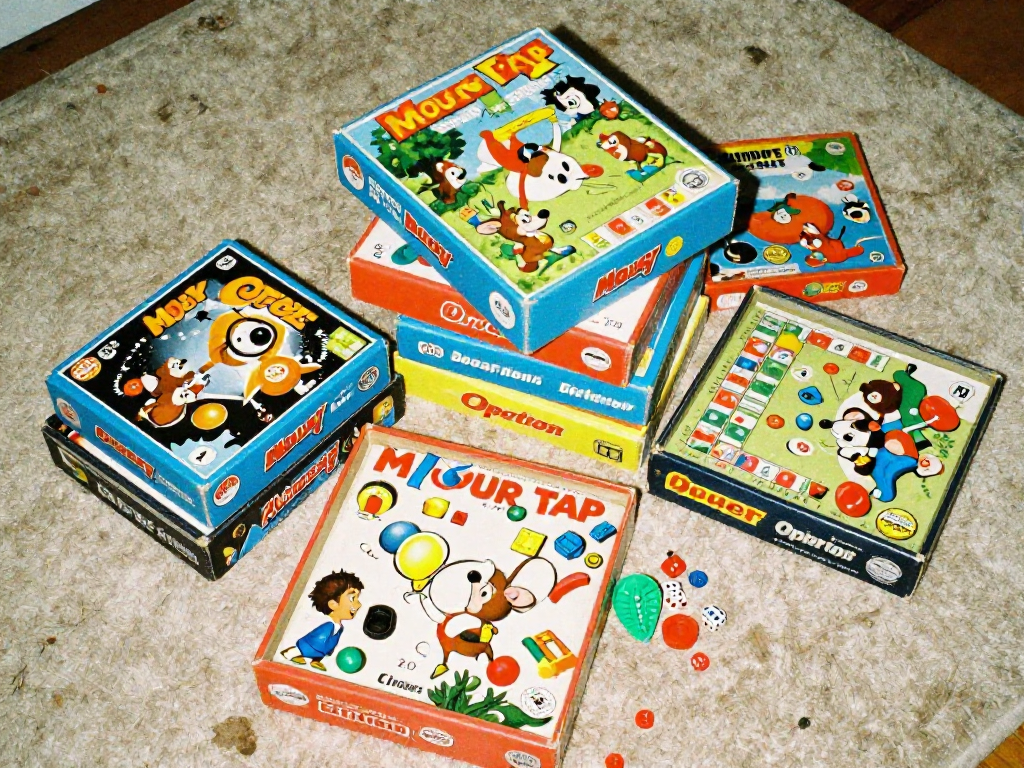
Remember when "game night" meant the whole family crowded around the kitchen table, no phones buzzing, no streaming queue to argue over? Before Netflix and group chats, a beat-up box of Mouse Trap or Mall Madness was the main event. That ritual is half the magic — and it's exactly why these games still hit different.
There's something the originals just have. The slightly musty cardboard smell when you crack the lid. The faded box art in those unmistakable 80s and 90s color palettes. The satisfying rattle of plastic pieces you can find with your eyes closed. No reprint quite captures it.
Here's what we're covering: a mix of pure nostalgia trips (games you'll grin at but mostly want to play again) and a few worth genuinely hunting down. And good news — most are still easy to find and affordable. You don't need deep pockets or expert know-how to get started, just a little patience and this list.
The Board Games Every 80s and 90s Kid Begged For
Pull up a beanbag chair, because this is the lineup that lived on basement shelves and birthday wish lists. For each one, you get the memory hook plus a quick, no-pressure note on whether it's worth grabbing when you spot it in the wild.
The chaos classics (common and cheap)
Mouse Trap (Ideal, 1963; everywhere by the 80s) — the whole point was building the Rube Goldberg contraption, and almost nobody actually played the game. Loose, incomplete copies are dirt cheap. Look at thrift stores and yard sales, expect $5–$15, and check that the crank, diver, and bathtub pieces are present since those vanish first.
Hungry Hungry Hippos (1978) — pure marble-gobbling mayhem. It's been printed for decades, so it's one of the easiest games to replace. Don't overpay; $5–$12 for a complete used copy is plenty. The only thing to verify is that all four hippo levers still snap.
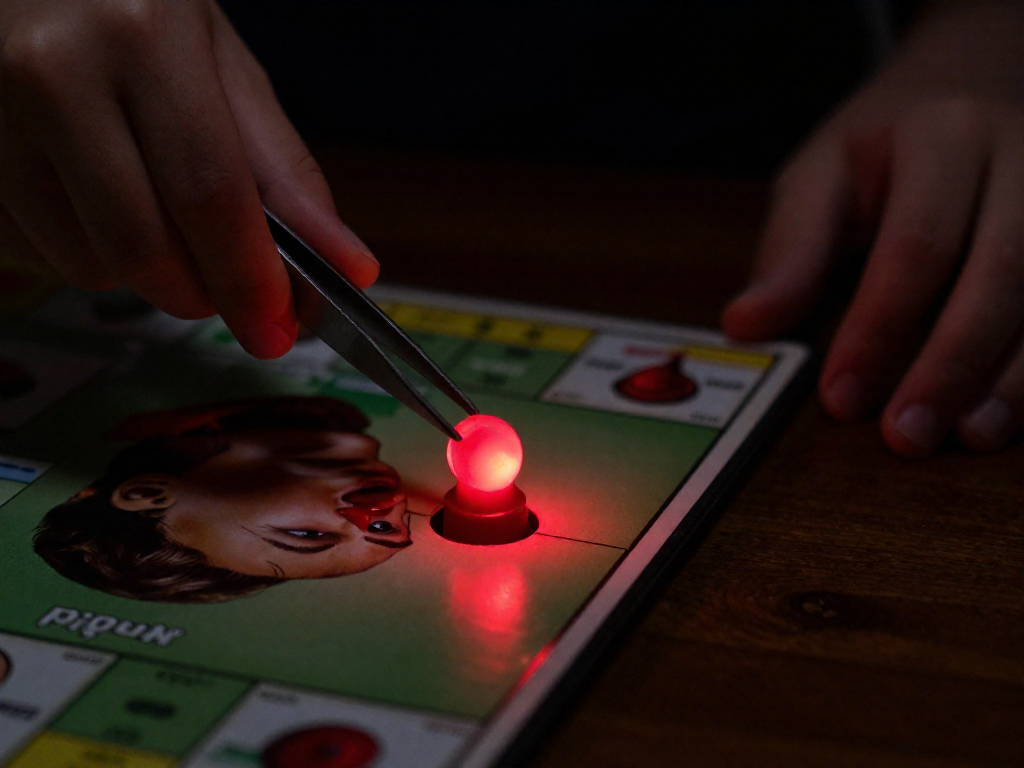
Operation (1965, but a TV-ad staple through the 90s) — that BZZZT still raises your heart rate. The collectible factor is low, but completeness matters: make sure the metal tweezers and all the little plastic ailments (the funny bone, the wishbone, the bread basket) are there. A full copy runs $10–$20.
Perfection, Trouble with its satisfying Pop-O-Matic bubble (1965), and Pretty Pretty Princess are quick nostalgia hits in the same bucket — common, affordable, and best bought complete for under $20.
Worth a closer look
Guess Who? (1979 in the US) — the joy was in the questions. If you want the version you remember, hunt for original 80s artwork; the character faces and box design were redrawn in later reprints. Originals aren't expensive, usually $15–$30, but matching the art to your memory is half the fun.
Crossfire (Milton Bradley, 1971; relaunched in 1992) — the early-90s commercial jingle is permanently lodged in your brain. Most people remember the 1992 version. Boxed, complete copies with both ball-shooters and the original ammo climb steadily; budget $30–$60 for a clean one.
Girl Talk (1988) and Mystery Date (originally 1965, reissued repeatedly) — sleepover royalty. They turn up regularly at estate sales for $15–$35. Check for the spinner, cards, and any stickers, which are usually long gone.
The ones that surprise people on the price tag
Mall Madness (the electronic version, 1989) — the talking shopping-spree game. The collectible find is a unit where the voice module still works, since dead electronics tank the value. Working copies often fetch $40–$80; test the batteries before you buy.
13 Dead End Drive (1993) — a clever trap-the-other-players game with a genuine cult following. Complete copies with all the spring-loaded traps intact run $30–$50.
Dream Phone (1991) — peak 90s, complete with the chunky pink phone. Working, complete sets command surprising money, frequently $40–$70, with boxed mint examples going higher. Confirm the phone powers on and that the full deck of suspect/clue cards is present.
Fireball Island (1986) — beloved enough that it got a well-received modern reprint (Restoration Games, 2018). The vintage original with its 3D mountain and marbles is the prize, often $80–$150+ complete. If you just want to play, the reprint is the affordable route.
The serious money
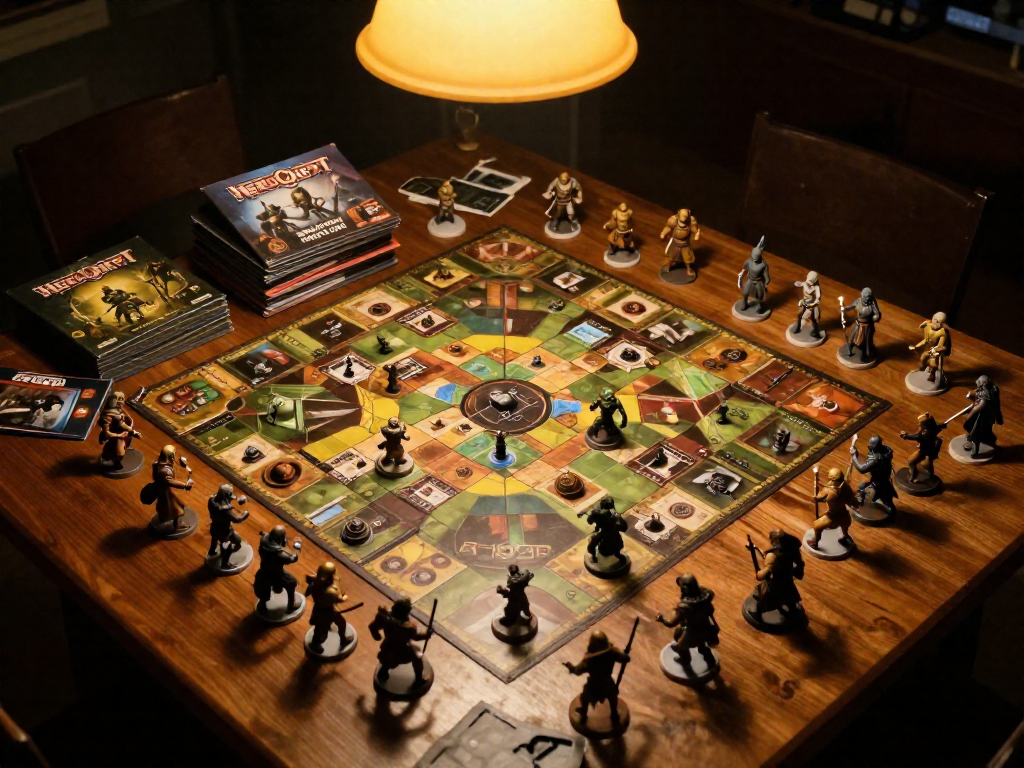
HeroQuest (Milton Bradley / Games Workshop, 1989) — the heavyweight of this list. Original sets are real money, and the expansions (like Kellar's Keep and Return of the Witch Lord) push prices higher. A complete base set commonly lands at $100–$250, with sealed copies and full expansion sets going well beyond. There's a 2021 official remake if you'd rather play than collect.
Quick starter checklist
You don't need a budget or an expert eye to start. A few habits go a long way:
- Hunt offline first. Thrift stores, estate sales, church rummage sales, and Facebook Marketplace are where complete games sit underpriced. eBay's "sold" filter is your best tool for knowing real-world values.
- Completeness is everything. Open the box and count pieces against the rules sheet or a quick online parts list. A missing buzzer, spinner, or one critical token can cut value in half.
- Test the electronics. Mall Madness and Dream Phone are only worth top dollar if they power on, so carry a couple of fresh batteries.
- Mind the box, not just the game. Sharp corners and bright art matter to collectors. A beat-up box on a complete game is fine for playing and a great way to buy in cheap.
- Buy what you loved. The best first purchase is the game you actually begged for. Nostalgia is the whole point, and there's no wrong place to start.
Which Ones Are Actually Worth Money
Let's get to the question you're really asking: does that game in your parents' attic pay for a nice dinner, or is it just good memories? Honestly, it's usually the memories — and that's perfectly fine. But a handful of titles do command real cash.
The big-ticket names. The original HeroQuest (Milton Bradley, 1989) is the heavyweight, especially complete with all those tiny figures and furniture. Fireball Island (1986) originals routinely surprise people, and Dream Phone (1991) and 13 Dead End Drive (1993) have devoted followings too.
Completeness is everything. Collectors care less about a crisp box than about whether the game is whole. One missing skeleton or a cracked plastic phone can cut the value sharply. For anything with electronics — Dream Phone, Mall Madness, Stop Thief — buyers want it powered up and working. A quick battery test before you list (or buy) tells you a lot.
Sealed vs. complete-and-loved. A factory-sealed copy is the holy grail and priced accordingly, but those are rare. Most of the market is "complete and gently played," and that's what real players actually pay solid money for. Don't toss a game just because the box has shelf wear.
Plenty are just nostalgic. Trouble, Perfection, Guess Who?, and most mass-produced staples are easy to find for a few dollars — common doesn't mean worthless, it means affordable fun.
Where to start: check eBay's sold listings (not asking prices) for honest numbers, browse local thrift stores and estate sales, and always count the pieces against an online parts list before you buy.
Beginner Tips for Finding Them Without Overpaying
Here's the good news: you don't need a collector's budget to start. Most of these games turn up in the wild more often than you'd think, and a little patience goes a long way.
Where to look. Start local and cheap. Thrift stores and estate sales are goldmines, and you'll often pay a few dollars for a boxed copy. Online, Facebook Marketplace is great for local pickups (no shipping a heavy box), while eBay is best used as a price guide first. Search the game, then filter to Sold Listings to see what copies actually sell for, not the optimistic asking prices.
Check for completeness. A box that looks full can still be missing the one piece that matters. Pull up the rulebook (most are free online) and count the cards, tokens, dice, and pawns before you pay. Missing instructions are an easy fix; missing custom pieces are a dealbreaker.
Reprints vs. originals. Newer printings usually have crisper graphics, updated logos, and barcodes on the box. If the artwork looks slightly off or the cardboard feels thinner and glossier, it's likely a modern run. That's totally fine to play with—just don't pay vintage prices for it.
Clean and store it right. Wipe boards and pieces with a barely-damp cloth, never soak cardboard, and let everything air-dry fully. Store boxes flat, out of direct sun and humidity—an attic or damp basement will warp and mildew them fast.
Set a budget. Decide your per-game ceiling before you shop and stick to it. The fun is in the hunt, not the splurge.
Dust Off the Box and Play
Here's the thing about these games: they were never meant to sit pretty on a shelf. They were meant to be spread across the living room floor on a rainy Saturday, with someone accusing someone else of cheating at Monopoly. So before you bubble-wrap your finds, actually play them. Dust off the box, lose a few plastic pieces, and let the kids (or the grown-ups) groan when they land on Boardwalk.
Quick question for you: which game did you beg the hardest for? Drop it in your memory — or better yet, your group chat.
And if a thrift run is in your near future, save or pin this list. Future-you, elbow-deep in a dusty Goodwill bin, will be grateful.
See also
- A beginner's guide to thrifting for vintage collectibles
- Retro toys from the 80s and 90s that are worth real money
- How to clean and store vintage collectibles safely
- The best 90s electronic toys we all wanted
Related articles
Why Beanie Babies Were the Bubble That Burst
What really happened with the Beanie Babies craze? The hype, the hoarding, the crash—and what collectors can learn from one of the '90s biggest manias.
Jun 27, 2026 · 10 min read
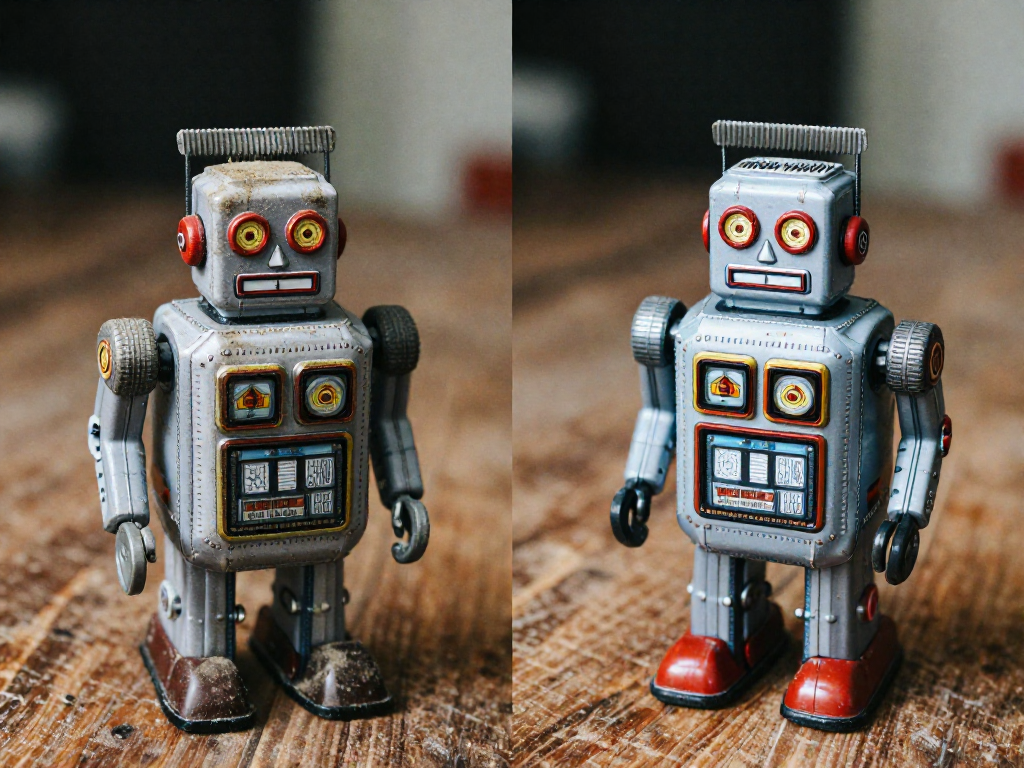
Cleaning and Restoring Grimy Vintage Toys the Safe Way
Learn gentle, safe ways to clean grimy vintage toys—plastic, vinyl, and stickers—without damaging paint, decals, or value. Beginner-friendly tips you can do today.
Jun 27, 2026 · 10 min read
What Makes a Vintage Toy Valuable? The Real Factors
Wondering what makes a vintage toy valuable? Decode rarity, condition, demand, and packaging with beginner-friendly tips you can actually use.
Jun 27, 2026 · 8 min read