How to Spot a Reproduction or Bootleg Vintage Toy
How can I tell if a vintage toy is fake?
On this page
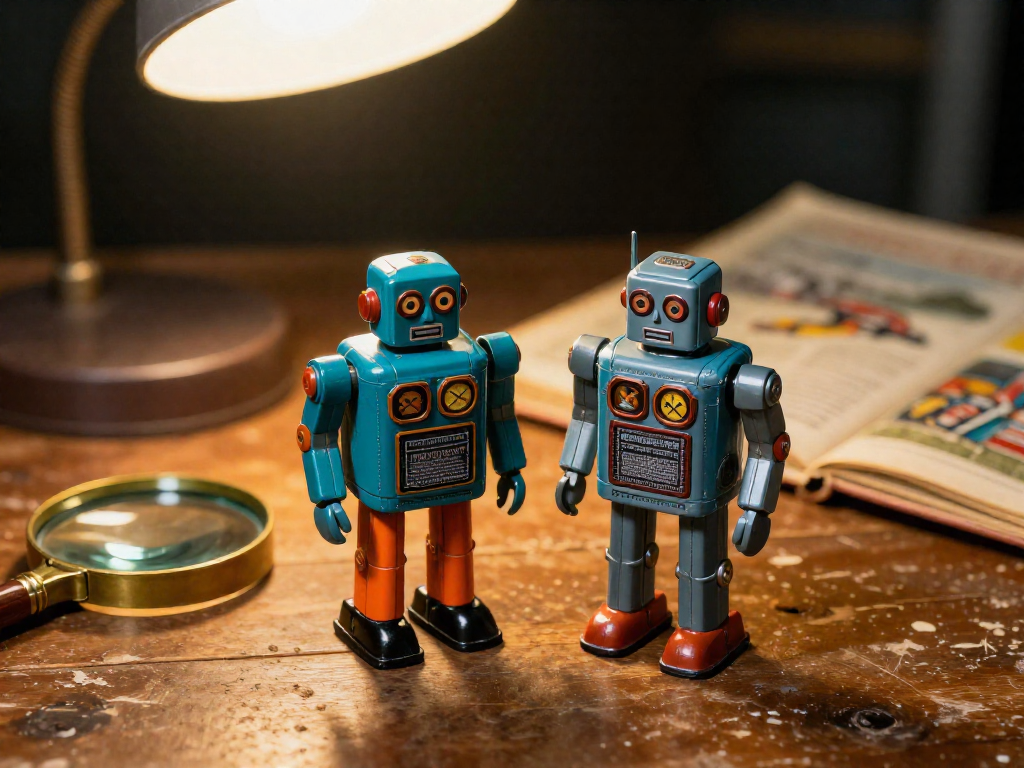
Reproduction vs. Bootleg vs. Custom: Know What You're Looking At
Before you panic that your flea-market find is "fake," let's sort out what that word even means. Not every non-original toy is a scam, and knowing the difference saves you from overpaying and from passing on something cool.
- Reproduction — a remake of an original, which can be fully authorized. Think official reissues, where companies re-release a classic line for a new generation. Honest sellers will label these clearly.
- Bootleg — an unlicensed knockoff, often a little crude (off colors, fuzzy logos, misspelled packaging). Some are made to deceive; oddly, a few vintage bootlegs have become collectible in their own right.
- Custom / restoration — a real toy that's been repainted, repaired, or modified. Not fraud, just altered—as long as it's described honestly.
Why care? It changes value. A genuine vintage original usually commands the most, while reissues and customs sell for less. The real problem isn't a repro existing—it's a repro sold as the original.
The Paint Tells: Sloppy Lines, Wrong Colors, Too-Fresh Finish
If you only have time to check one thing before handing over your cash, check the paint. It's the single most reliable tell, because painting a figure cleanly is hard, and bootleggers cutting corners almost always show it.
Start with the edges. On a factory toy, paint stays inside the molded lines—a belt buckle, a logo, the trim on a boot. Bootlegs bleed. Look for overspray, smudged borders, and color that wanders past where the mold says it should stop. A little factory slop existed back in the day too, but consistent sloppiness across the whole figure is a red flag.
Next, the colors themselves. Reproductions often run slightly off-hue or unnaturally vivid—a red that's a touch too candy-bright, a blue that glows in a way the originals never did. Period paints had their own muted, slightly chalky character, and your eye learns it fast once you've seen the real thing.
Now the face. This is where bootlegs fail most. Eyes are tiny and unforgiving: look for dots that are misaligned, uneven in size, or drifting off-center. A crooked stare or a smudged pupil is a giveaway that's almost impossible to fake well.
Finally, the finish. Paint that looks too glossy, too wet, or simply too new for a toy claiming to be from 1984 should make you pause. Genuine decades-old paint usually has a softer, settled look.
Your move: before judging anything, pull up a verified reference photo—a trusted collector forum, a known archive, or a sealed example—and compare side by side. Two minutes of looking saves you from a $40 mistake.
The Plastic Tells: Weight, Color, Seams, and Smell
Here's the thing photos can never capture: how a toy feels in your hand. Once you've held the real deal, a bootleg almost gives itself away. So when you can, get hands-on before you buy — and at a flea market or toy show, that's free.
Pick it up. Genuine vintage toys from the '70s and '80s usually have a satisfying heft. Bootlegs are frequently molded from thinner, cheaper plastic, so they feel lighter, hollower, or weirdly flimsy. If a chunky action figure feels like a fast-food prize, be suspicious.
Check the color. Recasts and knockoffs often miss the original shade — slightly off, too bright, or oddly translucent where the real toy was solid and opaque. Hold it up to a window: if light passes through plastic that should be dense, that's a flag.
Run your fingers along the seams. Original factory molds were clean. Bootlegs tend to show rough mold lines, leftover flashing (those thin webs of excess plastic), and sloppy, untrimmed sprue marks where the part was snapped off. Real toys aren't perfect, but they aren't ragged.
Give it a sniff. Seriously. A toy that's supposedly 40 years old shouldn't smell like a fresh-from-the-factory chemical or "new plastic" odor. That sharp smell often means a recent recast.
Watch for brittleness or a greasy film. Cheap recast resin can feel brittle or leave an oily residue on your fingers — neither is typical of a well-kept vintage piece.
None of these alone is proof, but two or three together? Trust your hands — they're cheaper than your wallet.
The Packaging Tells: Cards, Fonts, and Print Quality
Here's a little secret: bootleggers often nail the toy but fumble the packaging. That's great news for you, because the card or box is the easiest place to catch a fake — no special tools required, just your eyes and a few minutes.
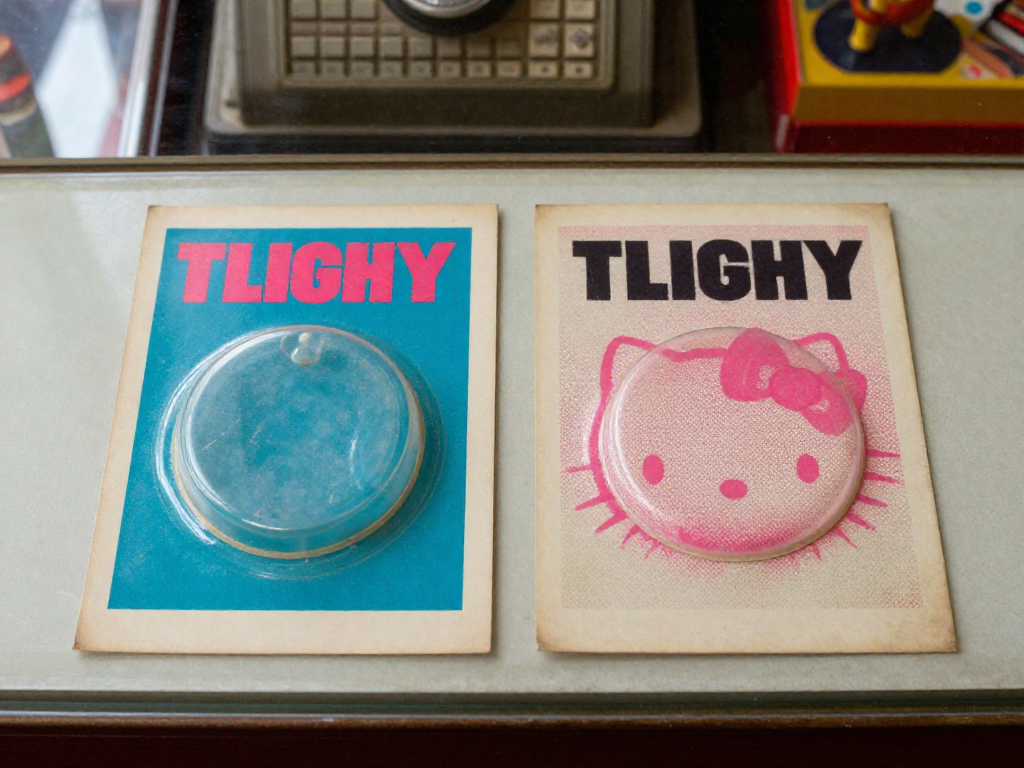
Start with the print itself. Genuine vintage blister cards were printed from original artwork, so logos look crisp and colors stay consistent. Reproductions are frequently scanned from an existing card and reprinted, which leaves telltale signs: blurry logos, pixelated character art, and fuzzy text that looks slightly soft when you hold it close. Colors often drift, too — reds go orange, blacks look washed-out gray.
Next, read the cardback like a detective:
- Fonts and spelling. Wrong typefaces, odd letter spacing, or actual misspellings are dead giveaways. Real manufacturers proofread; bootleggers usually don't.
- Glue and assembly. Look for messy glue lines around the bubble, a blister that's been pried up and reglued, or a barcode in a modern style the toy's era never used.
- Country-of-origin and copyright lines. These should match the period. A line claiming a year that came after the toy was discontinued is a red flag.
- File numbers and character lineups. Cardbacks listing figures that hadn't been released yet are anachronistic — a classic reproduction slip.
A quick tip: pull up reference photos of a known-authentic card on your phone (collector forums and wikis are free) and compare side by side. Five minutes of looking can save you from an overpriced fake.
Markings, Stamps, and Copyright Dates
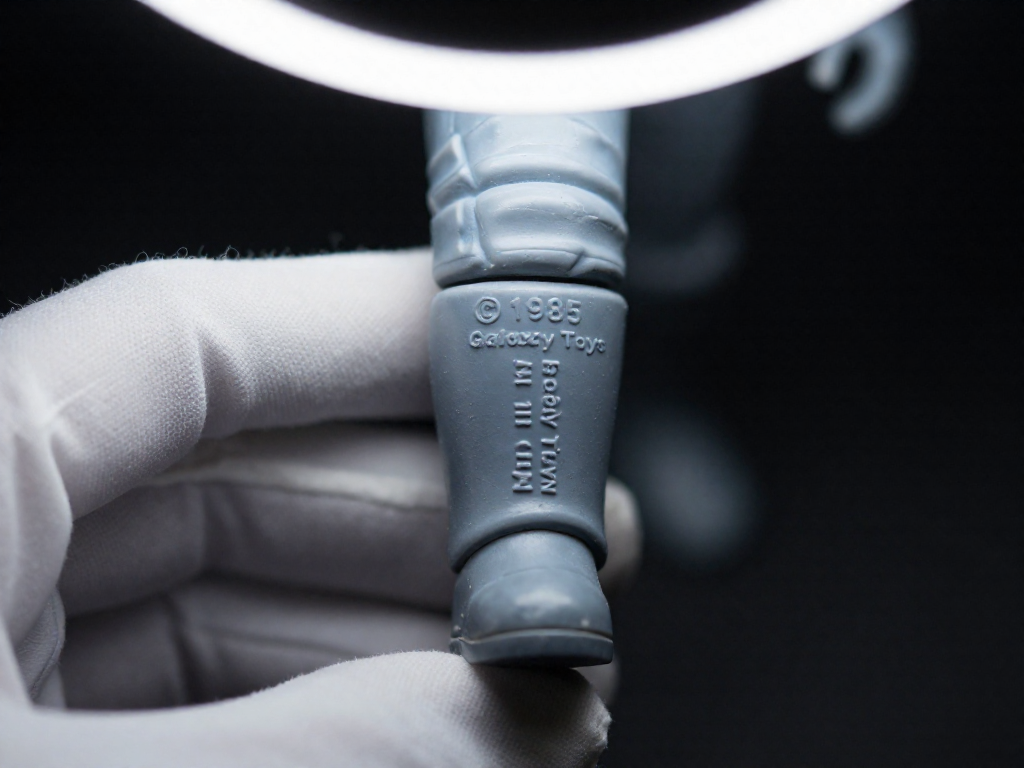
Here's the good news: most of the proof you need is hiding right on the toy itself, molded into the plastic. Flip your figure over and check the back, the legs, or the underside of the feet. Genuine vintage toys almost always carry a manufacturer stamp — think Kenner, Hasbro, or Mattel — usually paired with a copyright year and sometimes a country of origin. These weren't afterthoughts; they were pressed into the mold at the factory.
Now, what you're hoping to not find:
- Missing stamps. A name-brand figure with no markings at all is a loud warning sign.
- Blurry or mushy text. Bootleg molds are often copied from an original, so the lettering comes out soft, shallow, or slightly off-center.
- Wrong fonts or spacing. Compare the typeface to a known-real example; counterfeiters rarely nail it.
- Impossible dates. A copyright year that comes before the character even existed is an instant bust — no time machines on the assembly line.
When in doubt, cross-check. Free collector databases, fan wikis, and printed price guides catalog the exact markings for thousands of figures. Spend two minutes matching your stamp against a verified photo, and you'll spot the fakes fast — no expert credentials required.
Quick Pre-Purchase Checklist
Before you hand over a single dollar, run through this quick gut-check. No expertise required—just your eyes, your phone, and a little patience. Save this one to Pinterest so it's ready next time you're squinting at a flea-market table.
- Pull up a verified reference photo first. A quick image search of the exact toy and year gives you something honest to compare against.
- Read the paint. Look for crisp edges, correctly placed eyes, and a finish that isn't suspiciously glossy or freshly sprayed.
- Handle the plastic. Genuine vintage pieces have a certain heft, aged color, tidy seams, and that unmistakable old-toy smell. Too light, too bright, or too odorless is a red flag.
- Study the packaging. Off fonts, fuzzy printing, smeared logos, or a barcode on something made before barcodes existed all spell trouble.
- Find the stamp. Locate the maker's mark and copyright date, then confirm it matches the real production era.
- Lean on the seller. Politely ask for close-ups of the markings and a few questions about where it came from. Honest sellers won't mind.
Two minutes here can save you from an expensive "oops."
When in Doubt: Ask, Verify, and Don't Overpay
Here's the good news: you don't have to figure this out alone, and you don't have to be an expert to buy smart. When something feels off, snap a few photos and post them to a collector forum or a Facebook group built around your toy line—communities for old action figures, dolls, and playsets are full of folks who love settling a "real or repro?" debate. A second pair of eyes often spots in seconds what took you an hour to second-guess.
A confirmed bootleg isn't automatically a bad buy, either. If you know exactly what you're holding and the price reflects that, a fun fake can be a totally fair pickup—just don't pay vintage-original money for it.
Two quick rules of thumb: walk away from any seller who dodges close-up photo requests, and give those "too good to be true" deals extra scrutiny. A real steal is rare; a too-cheap reproduction is common.
See also
- Beginner's guide to starting a vintage toy collection on a budget
- How to clean and store vintage action figures
- The most reproduced vintage toys (and how to avoid getting burned)
- Vintage toy grading and condition terms explained
Related articles
Why Beanie Babies Were the Bubble That Burst
What really happened with the Beanie Babies craze? The hype, the hoarding, the crash—and what collectors can learn from one of the '90s biggest manias.
Jun 27, 2026 · 10 min read
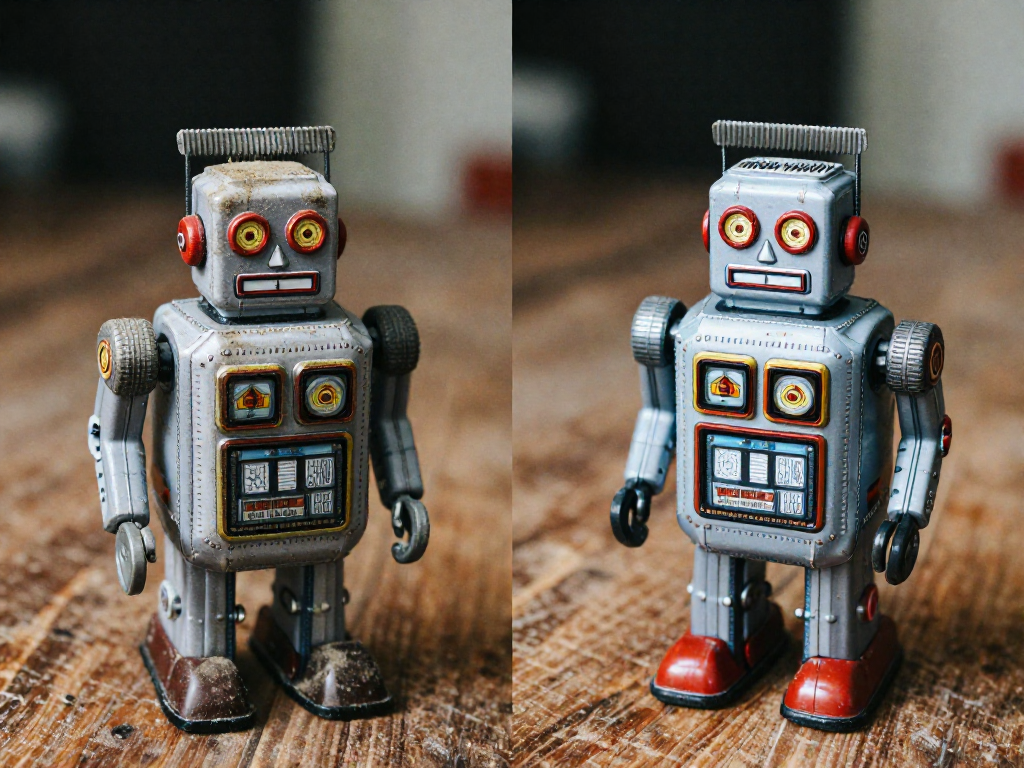
Cleaning and Restoring Grimy Vintage Toys the Safe Way
Learn gentle, safe ways to clean grimy vintage toys—plastic, vinyl, and stickers—without damaging paint, decals, or value. Beginner-friendly tips you can do today.
Jun 27, 2026 · 10 min read
What Makes a Vintage Toy Valuable? The Real Factors
Wondering what makes a vintage toy valuable? Decode rarity, condition, demand, and packaging with beginner-friendly tips you can actually use.
Jun 27, 2026 · 8 min read