Loose vs. Mint in Box: Which Toys Should You Buy?
Should I buy loose toys or sealed ones?
On this page
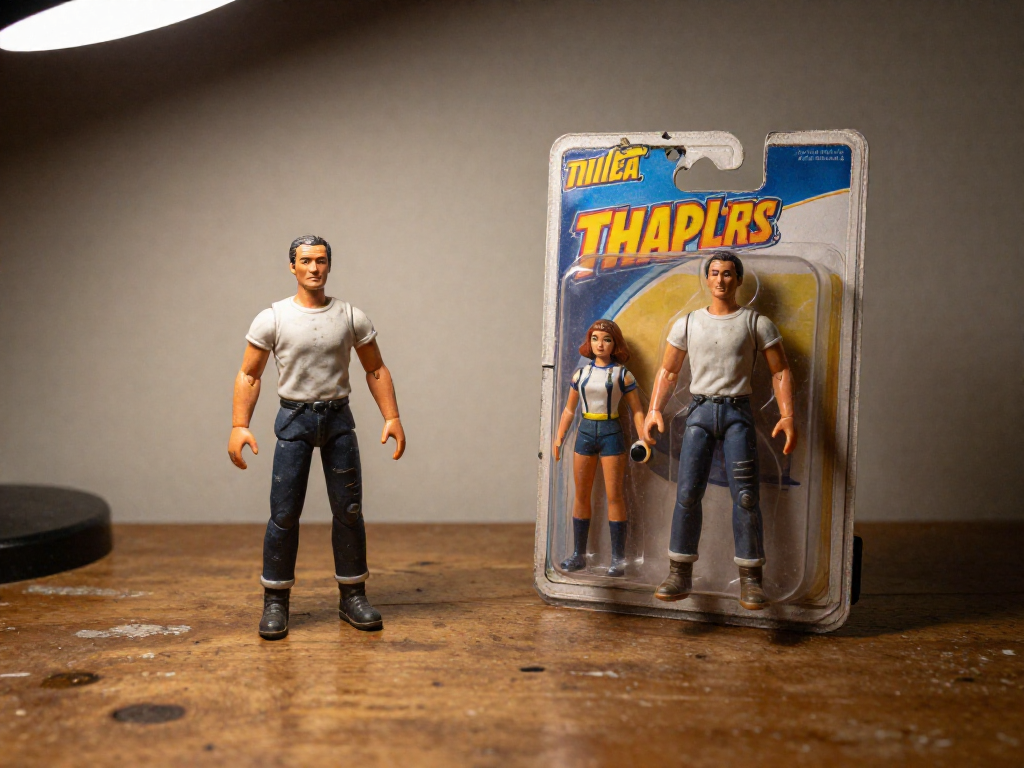
First, What Do "Loose" and "Mint in Box" Actually Mean?

Before you start bidding on that He-Man figure or Polly Pocket compact, it helps to speak the language. Collector listings are full of shorthand, and once you crack the code, browsing eBay or a flea market booth gets a whole lot less intimidating.
Here's the quick glossary:
- Loose — The toy has been freed from its packaging. It was played with, displayed on a shelf, or simply opened by a kid who couldn't wait. Loose pieces are usually the most affordable way in, and honestly the most fun to handle.
- MIB (Mint in Box) — The item sits in its original box in like-new condition. "Mint" is the aspiration; real-world boxes often have shelf wear, so read the photos closely.
- MOC (Mint on Card) — Same idea, but for figures sealed on a cardboard blister card (think classic Star Wars or G.I. Joe).
- Sealed vs. opened-but-complete — Sealed means never opened, factory-fresh. Opened-but-complete means the box was opened but every accessory, sticker sheet, and twist-tie is still there. Complete-but-loose is a sweet spot for budget collectors.
You'll also see grades from services like AFA (Action Figure Authority), which seals items in a graded case. A score like "C9" refers to condition on a 1–10 scale, where C9 means near-perfect with only the tiniest flaws. Graded pieces cost more, so beginners can usually skip them and trust their own eyes.
The Cost Gap: Why Sealed Toys Command a Premium
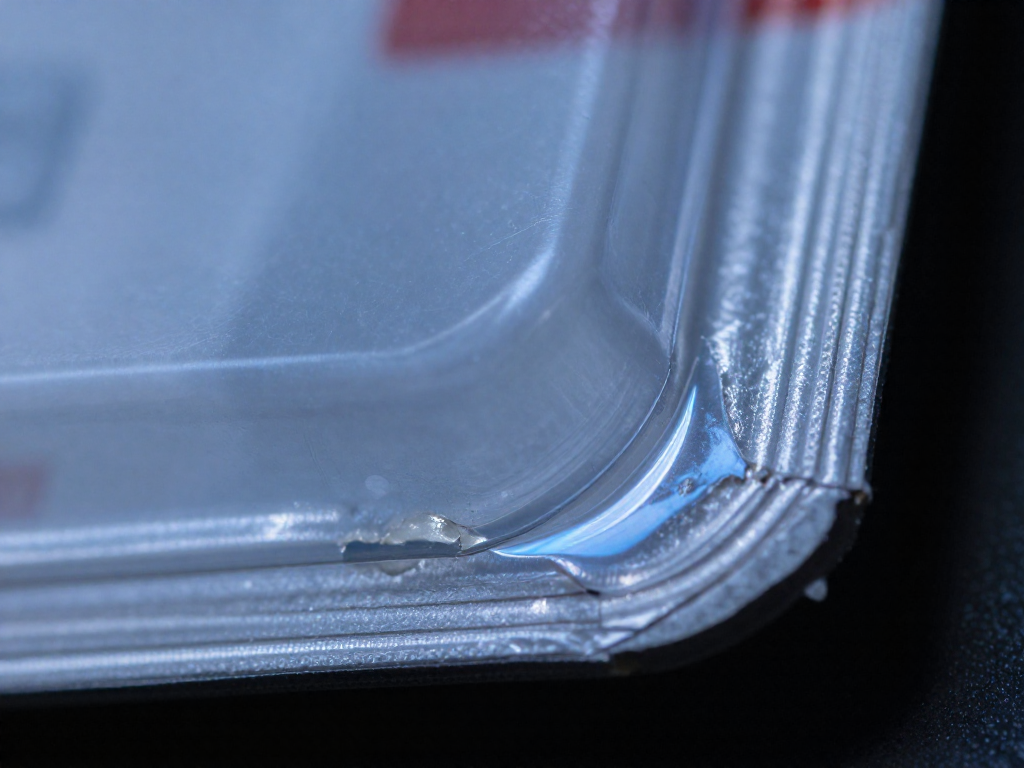
Here's the thing nobody tells you when you start: that cardboard and plastic bubble is often worth more than the toy inside. Why? Because almost none of us kept it. We tore those Star Wars blisters open on Christmas morning and tossed the packaging in the trash. So while loose figures are everywhere, the sealed survivors are genuinely scarce — and scarcity is what drives the price.
How big is the gap? A loose vintage figure that runs you $15–$30 can easily jump to 3x–10x sealed. That 1980s He-Man or Transformers figure you'd grab for $20 loose might sit at $150–$300 carded in clean shape. The hotter and more iconic the line, the steeper the climb.
In a heated market, sealed and professionally graded items (think AFA or CGC, who slab and score collectibles) move fastest of all. A high grade turns a fuzzy "is it mint?" into a number buyers trust, and that confidence gets bid up quickly when demand spikes.
Just don't forget the hidden costs hiding behind that premium:
- Shipping — boxed items are bigger and need careful packing, so postage adds up.
- Grading fees — typically $20–$100+ per item depending on service and turnaround.
- Display cases — UV-protective stands and acrylic cases to keep your investment from yellowing.
Beginner tip: before you pay a sealed premium, check a recent sold listing on eBay (filter to "Sold items") for the exact same toy. Asking prices lie; sold prices tell the truth.
The Enjoyment Trade-Off: Display, Play, and Nostalgia
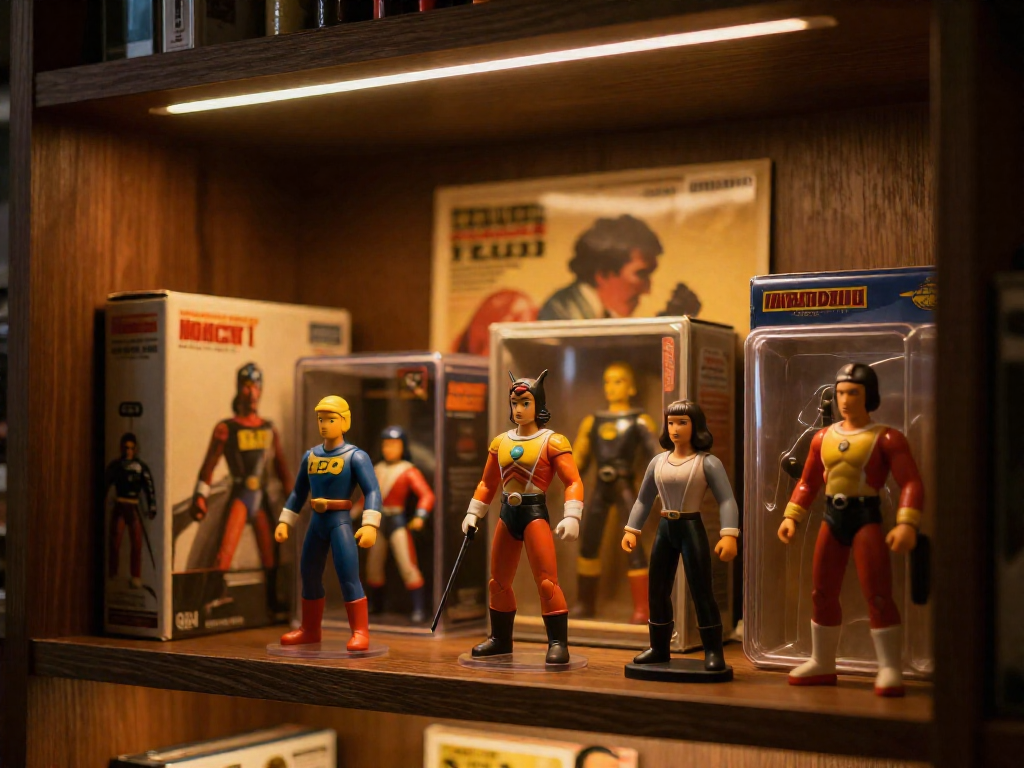
Here's the question the price tags can't answer: what do you actually get to do with the toy once it's yours?
Loose figures are made for hands. You can pose that Skeletor, swivel the joints, swoosh a little spaceship across the desk, and feel eight years old again for thirty glorious seconds. That tactile hit is the whole point of nostalgia for a lot of us — and loose toys deliver it without flinching at a scuff.
Sealed pieces give you something different: a perfect, frozen snapshot of the moment that toy left the factory. You'll never touch it, never pose it, but you also never have to worry about losing the accessory the figure came with. It's a museum exhibit, not a playmate.
That leads to the great collector dilemma — the "to open or not to open" guilt. Sidestep it with a simple rule: buy two if a toy truly matters to you. A loose one to enjoy, an inexpensive duplicate to keep boxed. For everything else, decide before you buy which camp it's in, so you're not agonizing later.
Don't forget the unglamorous realities, either. Boxed toys eat far more shelf space than loose ones, and direct sun is the enemy of both — UV yellows plastic and fades cardboard within months. A bookshelf away from windows, or a glass cabinet, protects either choice.
Quick gut check: if you want to play and remember, go loose. If you want to preserve a time capsule, go sealed.
Loose vs. MIB: Side-by-Side Comparison
Still on the fence? Here's the quick, save-it-for-later breakdown.
| Factor | Loose | Mint in Box (MIB) |
|---|---|---|
| Cost | Budget-friendly; often 40–70% cheaper than sealed | Premium; can run 2–5x a loose copy |
| Availability | Easy to find at flea markets, thrift stores, eBay | Scarcer, especially for 1980s–90s toys |
| Condition risk | Missing parts, wear, no packaging | Risk of crushed boxes, yellowing, fakes |
| Resale & liquidity | Sells fast, smaller payouts | Higher ceiling, but slower to move |
| Fun factor | Touch it, pose it, relive it | Look-but-don't-touch display piece |
| Best fit | Players, casual fans, tight budgets | Long-term investors, display purists |
Beginner move: Start loose. Grab a $10–25 figure you loved as a kid from eBay or a local swap meet, check joints and paint before buying, and see how it feels. You can always chase a sealed grail later once you know what you love.
Which Should You Buy? Match It to Your Goal
Here's the good news: there's no wrong answer. The "right" choice depends entirely on why you're buying. Figure out your goal first, and the decision gets easy.
You're in it for the nostalgia. If you want to actually hold that He-Man figure you had in 1985 and put it on your shelf, go loose. You'll pay a fraction of the sealed price, and a complete loose figure with its accessories often runs $15–$40 for common characters. Look on eBay (sort by "sold" listings to see real prices) and your local Facebook Marketplace before paying retail at a comic shop.
You're treating it as an investment. Lean toward sealed and, ideally, professionally graded pieces. Grading services like AFA or CGC seal toys in protective cases and assign a condition score, which buyers trust. Just know the premium is steep and the market can swing — buy what you'd be happy owning even if its value never climbs.
You want a bit of both. This is what most collectors land on. Splurge on one or two sealed "grails" — the holy-grail pieces you've always wanted — and fill out your shelf with affordable loose figures you can pose, swap, and enjoy.
You're just starting and watching your budget. Start loose. It's cheaper, more fun to handle, and teaches you what you actually like collecting. You can always upgrade a favorite to a sealed copy later, once you know it's a keeper.
When in doubt, buy what makes you smile.
Beginner Buying Tips to Avoid Overpaying
Here's the good news: you don't need an expert eye or a deep wallet to buy smart. A few simple habits will save you real money and a lot of buyer's remorse.
Spot reseals and fakes. Original factory seals usually hug the box tightly with crisp, even folds. Be suspicious of loose, wrinkled, or doubled-over tape, mismatched glue shine, or a blister bubble that looks re-glued at the edges. When in doubt, ask the seller for close-up photos of the seams and the back of the card.
Check for completeness. Loose toys often lose tiny accessories, stickers, or instruction sheets. Pull up a reference photo (collector wikis and fan forums are gold here) and match every piece before you pay. A "complete" figure missing its one signature weapon is worth far less.
Hunt where prices stay friendly. Estate sales, local toy swaps, flea markets, and bundled online "lots" almost always beat curated single listings. Lots are great for beginners—you can keep what you love and resell the rest.
Let "good enough" win. A clean loose figure you display proudly beats an overpriced mint box you're afraid to touch. Buy for joy, not perfection.
See also
- Beginner's Guide to Starting a Retro Toy Collection
- How to Spot Fake Vintage Action Figures
- Where to Buy Retro Toys Without Overpaying
- Understanding Toy Grading: AFA Scores Explained
Related articles
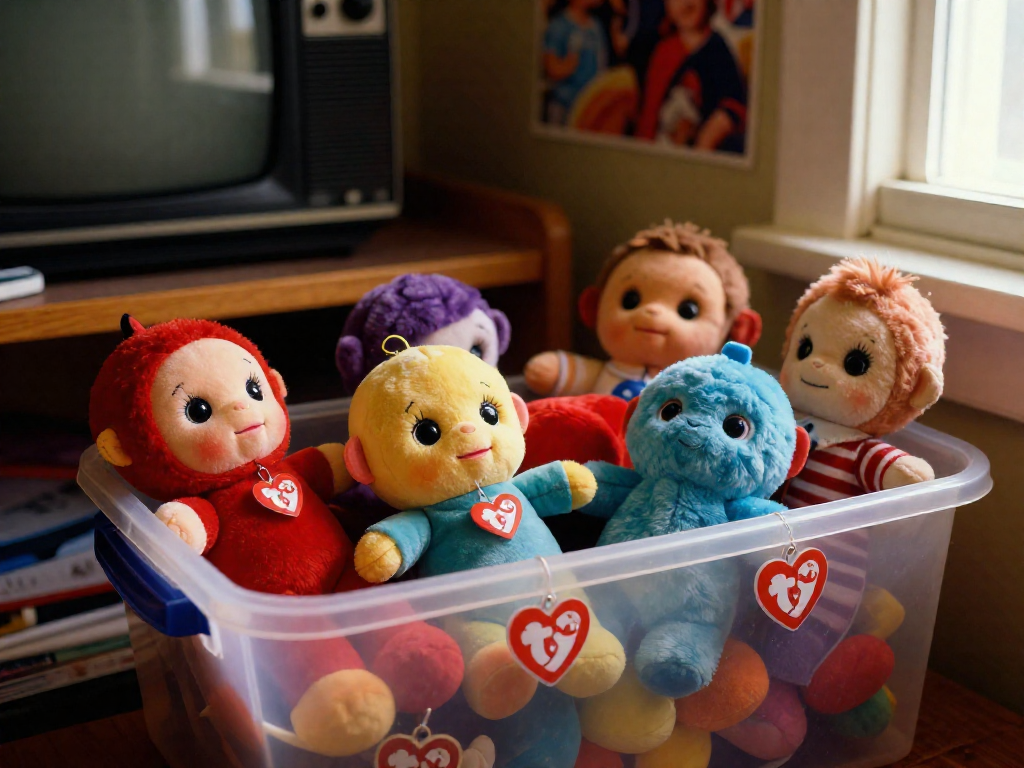
Why Beanie Babies Were the Bubble That Burst
What really happened with the Beanie Babies craze? The hype, the hoarding, the crash—and what collectors can learn from one of the '90s biggest manias.
Jun 27, 2026 · 10 min read
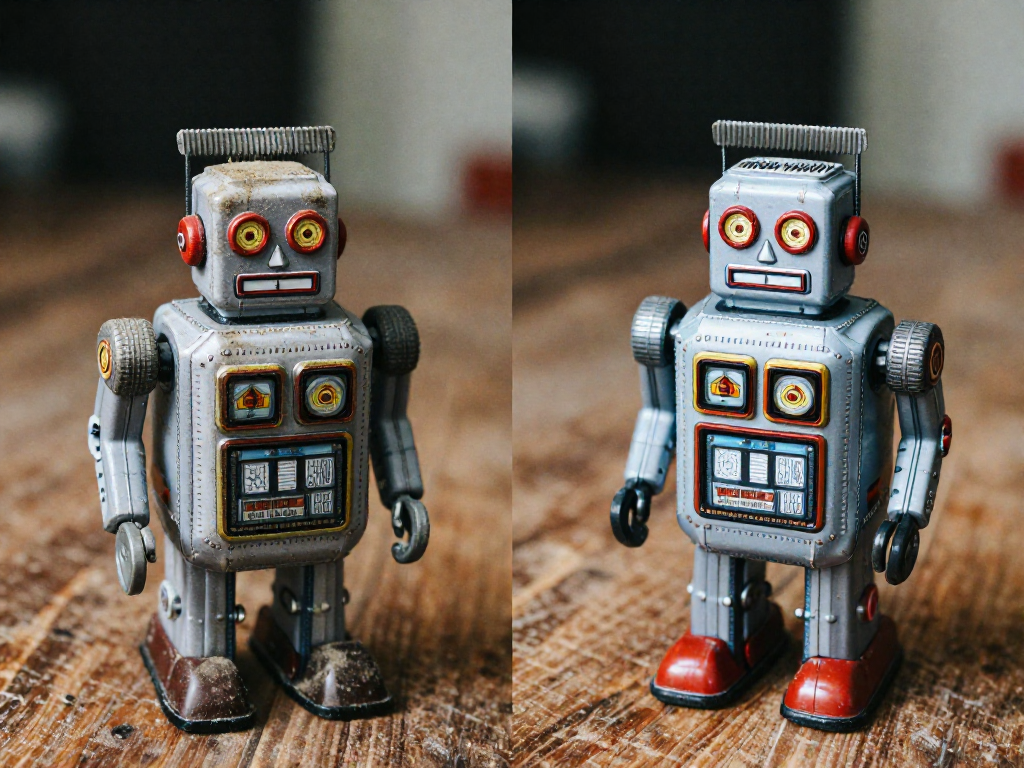
Cleaning and Restoring Grimy Vintage Toys the Safe Way
Learn gentle, safe ways to clean grimy vintage toys—plastic, vinyl, and stickers—without damaging paint, decals, or value. Beginner-friendly tips you can do today.
Jun 27, 2026 · 10 min read
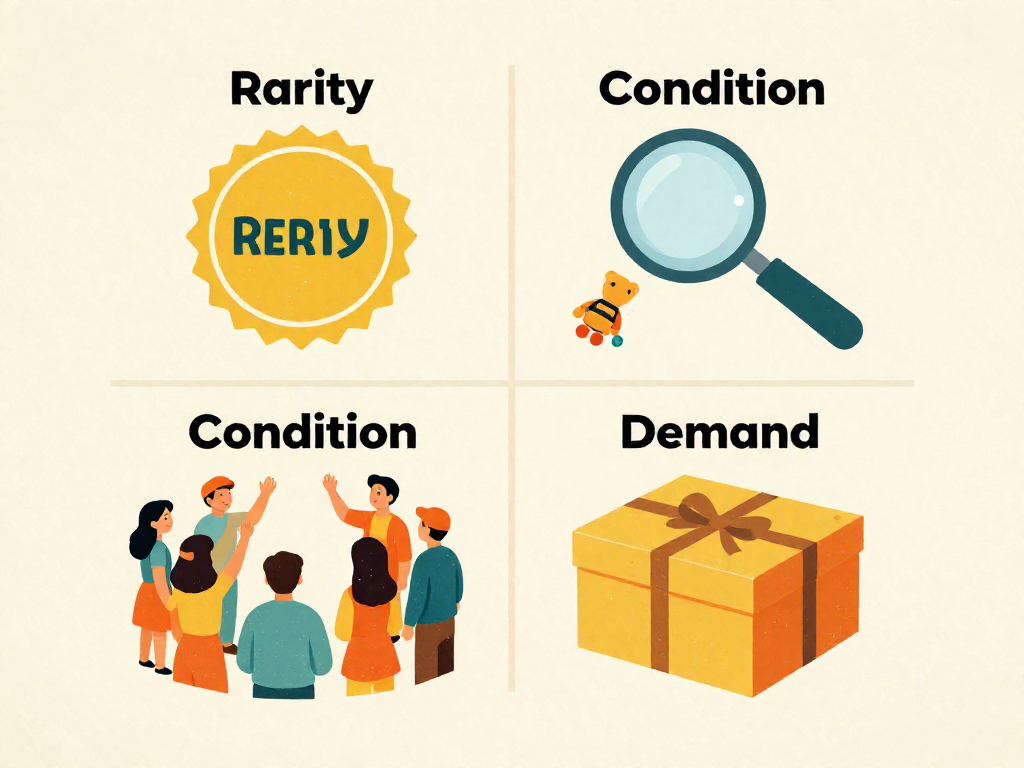
What Makes a Vintage Toy Valuable? The Real Factors
Wondering what makes a vintage toy valuable? Decode rarity, condition, demand, and packaging with beginner-friendly tips you can actually use.
Jun 27, 2026 · 8 min read