10 Lunchboxes That Are Secretly Worth a Fortune
Which vintage lunchboxes are the most valuable?
On this page
Why Old Lunchboxes Are Worth Real Money
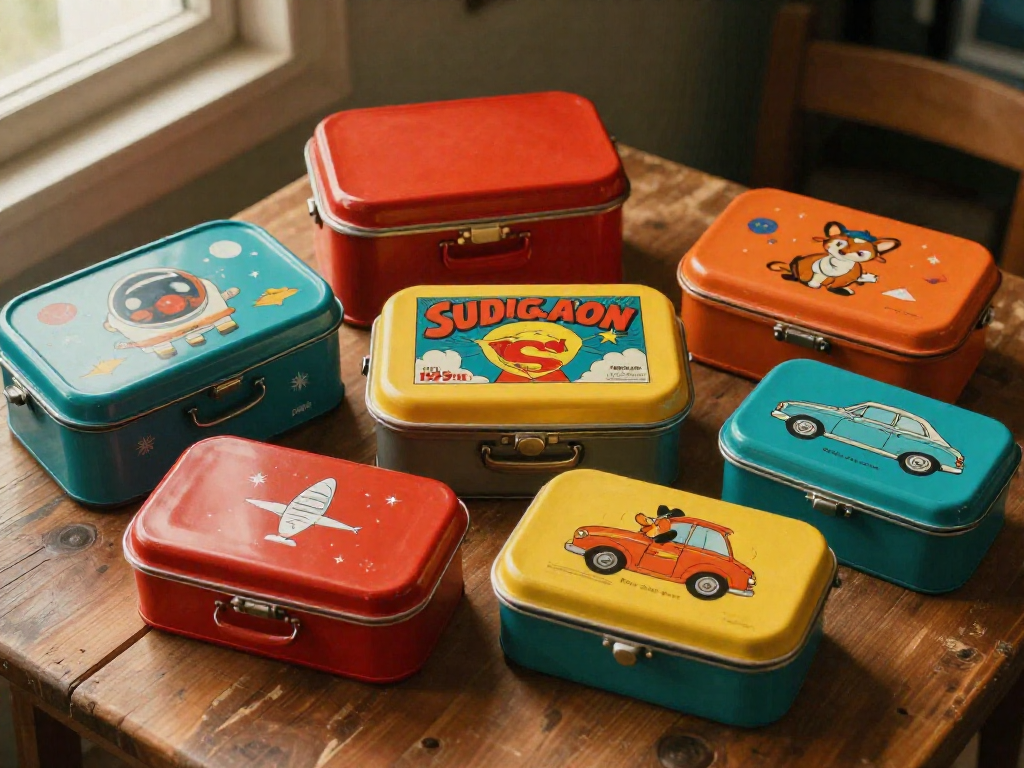
Remember slinging a metal lunchbox by its handle, the lid clanging shut over your bologna sandwich? From the early 1950s through the mid-1980s, those boxes were tiny billboards—colorful lithographed steel stamped with cowboys, cartoons, and Saturday-morning heroes. Then schools started worrying that a hefty metal box made a handy weapon, and by 1985 manufacturers had largely switched to cheaper, safer plastic. That abrupt end is exactly why the metal ones became collectible: no more were made, and most got dented, scratched, or tossed.
So what actually drives the price? Four things:
- Rarity — short print runs and oddball titles are harder to find, so they cost more.
- Character or license — beloved or pop-culture-heavy themes (think superheroes or hit TV shows) pull bigger numbers than generic florals or plaids.
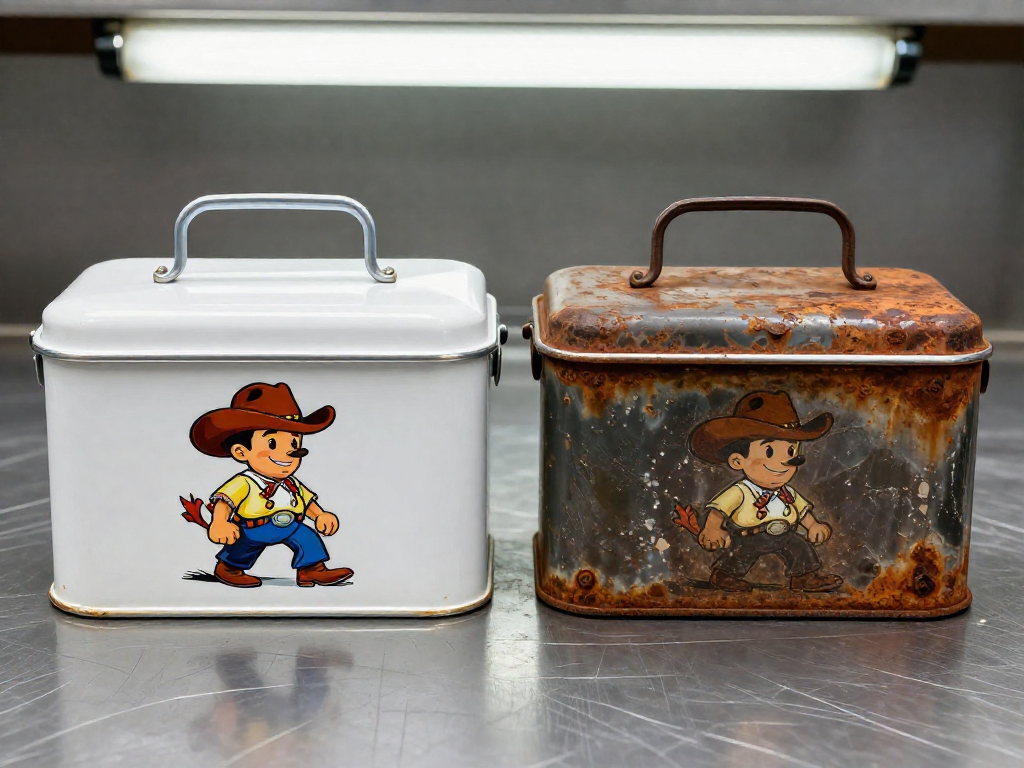
- Condition — bright, unscratched litho beats a faded, beat-up box every time.
- The matching Thermos — a box with its original Thermos can be worth far more than the box alone.
A quick word on materials: serious collectors prize metal over plastic and vinyl, partly for the gorgeous lithography and partly because metal defined the golden era.
Condition grading sounds fancy but it's simple. "Mint" means it looks unused—crisp graphics, no dings. "Played-with" shows honest wear: scuffs, faded art, a loose handle. The real value-killer is rust, which is tough to reverse and scares off buyers fast. Keep these factors in mind as we run through the ten boxes below.
1. Superman (1954) by Universal
If you grew up trading lunchboxes at the cafeteria table, this is the one that got away. The 1954 Superman box from Universal is one of the earliest character lunchboxes ever made, and that head start is exactly why it's so scarce today. Early-50s metal boxes were used hard, dented, and tossed once the latch broke, so survivors in clean shape are genuinely rare. Pristine examples have reportedly fetched four figures and beyond at auction.
Beginner tip: You won't find one at a yard sale for cheap, but you can learn from it. Check the lithography for bright, unfaded color, look for rust along the seams, and confirm the original handle. Browse eBay's "sold" listings to see realistic price ranges before you ever bid.
2. The Beatles (1965) by Aladdin
Few lunchboxes carry double the demand, but this one does: it pulls collectors from both the vintage lunchbox crowd and the deep-pocketed world of Beatles memorabilia. Released in 1965 by Aladdin at the height of Beatlemania, the metal box features the Fab Four in their signature mop-top era, and that crossover appeal is exactly what drives prices up.
Here's the insider tip: value jumps significantly when the matching Thermos survives. The bottle was easy to break or lose, so a complete set in clean shape can command several hundred dollars, while a beat-up box alone might land closer to $75–$150.
What to check: Look for rust, dents, and faded artwork — these were toted to school daily by kids in the '60s, so pristine examples are rare. Start your hunt on eBay or at local estate sales, and always inspect the corners and clasp before you buy.
3. Toppie the Elephant (1957)
Here's one even seasoned collectors do a double-take over. Toppie the Elephant wasn't sold in stores at all—he was a store premium tied to the A&P supermarket chain, handed out as a promotion rather than stocked on shelves. That's exactly why he's so scarce: promo boxes were made in smaller runs and rarely saved, so survivors can fetch well into four figures in clean condition.
Why do obscure promo boxes spike in value? Low production plus low survival equals high demand among completists.
A quick authentication tip for beginners: check the lithography for crisp, period-correct printing, look for honest age (light surface wear, not fresh paint), and be wary of reproductions—if a "1957" box looks flawless and cheap, ask questions before you buy.
4. Jetsons Dome (1963) by Aladdin
Few lunchboxes make collectors light up like the Jetsons dome. That curved, rounded lid—built to fit a thermos underneath—is part of the charm, and it's also why these are so hard to find intact. Dome boxes dent, scratch, and chip easily, so survivors in clean shape are genuinely rare. Tied to the show's original 1962–63 run, it had a short window on shelves before the series left primetime.
Realistic values? A well-worn example often lands around $150–$400, while a sharp, rust-free box with bright graphics can climb past $1,000.
Beginner tip: Check the dome lid first for dents and the metal seams for rust. Browse eBay's "sold" filter and local estate sales before paying a premium.
5. Lone Ranger (1954)
"Hi-yo, Silver!" If those words still give you a little thrill, you're not alone — and the 1954 Lone Ranger lunchbox is one of the most beloved cowboy-era pieces out there. Early lithographed Westerns, with their bright action scenes printed right onto the metal, are perennial collector favorites.
Here's where it gets fun: certain variants and accessories swing the price. A box that still has its original decoder or matching thermos in good shape can be worth noticeably more than the box alone.
Beginner tips:
- Where to look: estate sales, flea markets, and eBay sold listings to gauge real prices (figure roughly $75–$300 depending on condition).
- What to check: sharp, un-faded litho and minimal rust along the seams and corners.
- Spotting fakes: reproductions often have too-perfect, slightly blurry graphics and lightweight, modern-feeling metal. Compare against verified photos before you buy.
6–10: More Hidden-Value Lunchboxes to Check For
We promised ten, so here are five more boxes worth digging through grandma's attic for. None of these require a treasure-hunter's budget to start watching for—just a sharp eye and a little patience.
6. Bullwinkle (1962). This one's a vinyl box, not steel, which is exactly why it's scarce. Vinyl cracked, peeled, and got tossed, so survivors are rare. Clean examples can climb into the $1,000–$3,000+ range; rougher ones still fetch a few hundred.
7. Star Trek Dome (1968). The curved "dome" lid plus the show's cult following make this a holy grail. Top-condition boxes have sold for $500–$1,500+, with the matching thermos adding real value.
8. The Munsters (1965). Spooky, beloved, and not easy to find intact. Expect roughly $300–$900 depending on graphics and rust.
9. Mickey Mouse / Early Disney boxes. Disney is a huge category, so dates matter—earlier 1950s–60s steel boxes outvalue later reissues. Solid examples run $150–$600+.
10. 80s Sleepers — Knight Rider & Dukes of Hazzard. These plastic-era boxes (early 1980s) are still affordable, often $30–$120, but they're the ones to grab now while prices are low and nostalgia is climbing.
How to check value fast (beginner steps):
- Where to look: estate sales, thrift stores, eBay "sold" listings (filter by completed sales for real prices, not wishful asks), and flea markets.
- What to check: the original thermos doubles value; look for minimal rust, intact lithograph artwork, and a working latch.
- Reality check: condition is everything. A faded, dented box might be a tenth of a pristine one's price—so don't overpay, and don't underestimate a clean find.
How to Tell If Yours Is Valuable (and Not Sell It Cheap)
So you dug a metal box out of the attic and your heart's racing a little. Before you list it for ten bucks, slow down and do a five-minute check. Here's how to read what you've got.
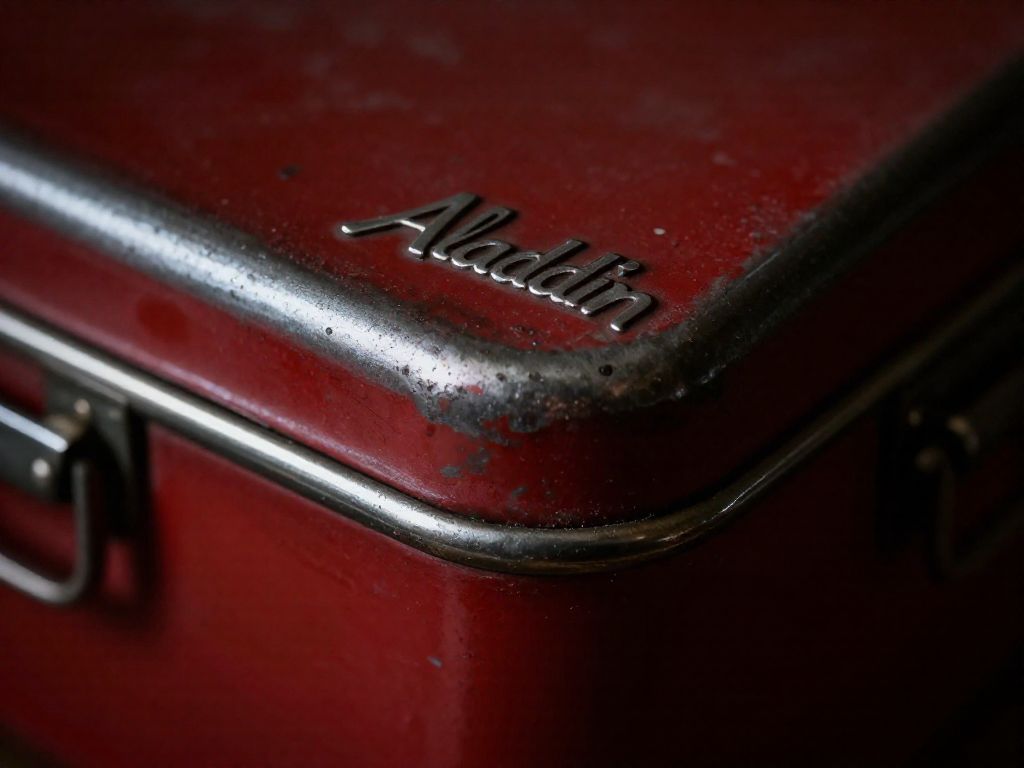
Flip it over and find the maker mark. Most vintage metal lunchboxes are stamped with the company that built them—look for Aladdin Industries, Universal, Thermos, or King Seeley Thermos (King Seeley bought Aladdin's rival and made boxes under the Thermos name). The name is usually embossed on the back or bottom edge. This tells you it's a real period piece and helps you match it to price guides.
Be brutally honest about condition. Collectors grade these hard, and a little damage moves the price a lot. Check for:
- Rust (especially in seams and corners)
- Dents and bent edges
- Litho fading—that printed artwork is the whole appeal, so bright color matters
- A latch and handle that still work
A clean, vibrant box can be worth several times a scratched, rusty twin of the exact same design.
Hunt for the matching Thermos. That little bottle that came inside? Half of them got lost or smashed decades ago. An original, intact Thermos with matching artwork can add a meaningful chunk to the value—sometimes 30% or more on desirable titles.
Watch out for reissues and repros. Some classics (the Beatles, for example) have been officially reissued. Reproductions often look too perfect, feel lighter, or have crisp modern stampings. When in doubt, compare against known originals.
Then check real sold prices. Don't trust asking prices—they're wishful thinking. On eBay, search the box, then filter to Sold Items to see what people actually paid. Cross-reference a printed price guide if you can. Now you'll know whether you're holding a $20 keepsake or a $400 surprise.
Where to Buy and Sell Vintage Lunchboxes
Here's the fun part: you don't need a fat wallet or insider connections to start. Some of the best finds are hiding in plain sight.
Where to hunt for sleeper deals. Estate sales, flea markets, and thrift stores are gold mines because sellers often don't know what they have. Get there early, dig through the back shelves, and don't be shy about asking if there's "any old kitchen stuff" tucked away.
Where to buy and sell online. eBay is the easiest starting point for both sides of the deal, and Etsy leans toward charming, display-ready pieces. For real know-how, join Facebook collector groups or forums—folks there love helping newcomers spot fakes and fair prices.
Price like a pro (not a sucker). Before you buy or list, check eBay's sold listings (not asking prices) to see what boxes actually fetch. A common 1980s box might bring $15–$40, while pristine rarities climb into the hundreds. Condition is everything.
Protect what you've got. Keep boxes out of direct sunlight and humidity, store them upright, and never scrub off original paint or stickers—you'll wipe away the value with the grime.
See also
- Beginner's guide to starting a vintage toy collection
- How to grade and store vintage collectibles
- Most valuable retro toys from the 80s
- Flea market flipping: spotting hidden collectible value
Related articles
Why Beanie Babies Were the Bubble That Burst
What really happened with the Beanie Babies craze? The hype, the hoarding, the crash—and what collectors can learn from one of the '90s biggest manias.
Jun 27, 2026 · 10 min read
Cleaning and Restoring Grimy Vintage Toys the Safe Way
Learn gentle, safe ways to clean grimy vintage toys—plastic, vinyl, and stickers—without damaging paint, decals, or value. Beginner-friendly tips you can do today.
Jun 27, 2026 · 10 min read

What Makes a Vintage Toy Valuable? The Real Factors
Wondering what makes a vintage toy valuable? Decode rarity, condition, demand, and packaging with beginner-friendly tips you can actually use.
Jun 27, 2026 · 8 min read