How to Start Collecting Vintage Action Figures
How do I begin collecting old action figures?
On this page
Why Vintage Action Figures Are Worth Collecting
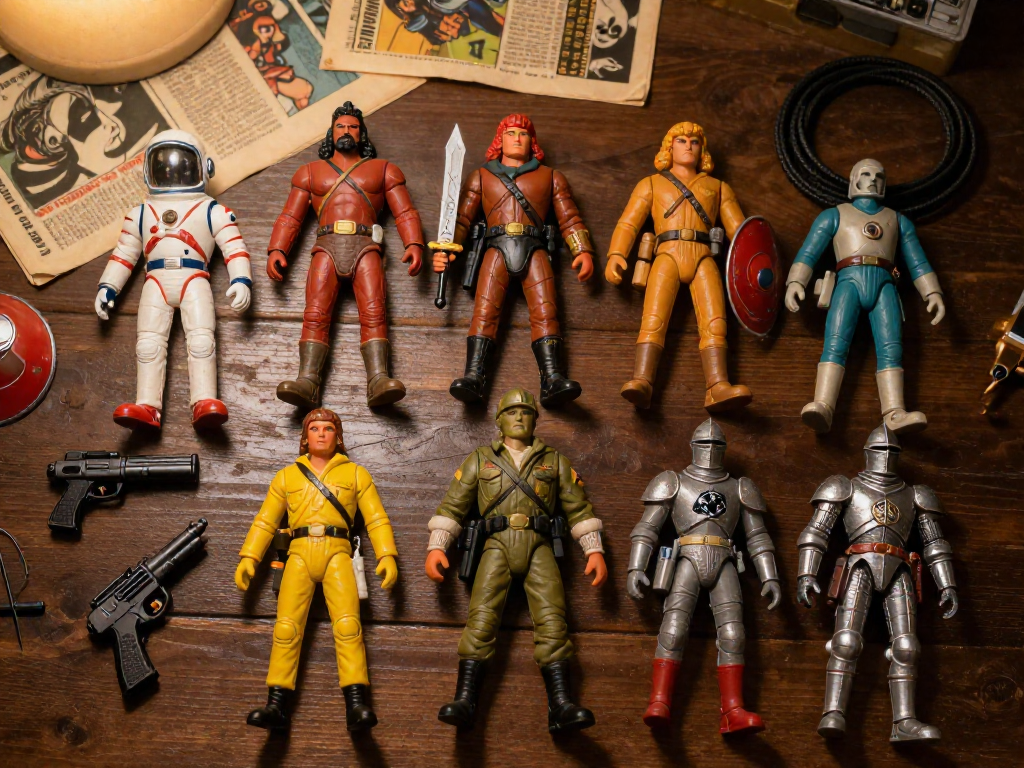
Remember tearing open a Star Wars figure on a Saturday morning, or lining up your G.I. Joe squad on the carpet for an epic battle? That feeling — half memory, half pure joy — is exactly why collecting vintage action figures is so rewarding. Picking up a He-Man or a beat-up Transformer today isn't really about the plastic. It's about reconnecting with the kid who couldn't wait to get home and play.
Here's the good news: this hobby is far more welcoming than it looks. You don't need a glass display case or a five-figure budget. Think of it as a treasure hunt, not an investment portfolio. Yes, some figures climb in value, but chasing money is the fastest way to suck the fun out of it. Collect what you loved, and you'll never feel like you "lost."
And you can absolutely start small. With under $50, you can grab a few loose figures from your favorite childhood line at a flea market or online — no mint-on-card rarities required. Buy what makes you smile, and the collection grows naturally from there.
Step 1: Pick a Line to Focus On
Here's the best advice nobody gives new collectors: don't try to collect everything. Walk into any toy show or scroll a single eBay search and you'll see thousands of figures staring back at you. Trying to grab a little of all of it is how people burn through cash, end up with a junk drawer of mismatched plastic, and lose the joy fast. Picking one line to focus on solves three problems at once — it keeps your budget sane, it makes your shelf look intentional instead of chaotic, and it lets you become genuinely knowledgeable about something specific. A focused collector who knows one line cold will always spot a deal faster than someone spread thin across ten.
So how do you choose? Start with a few beginner-friendly lines that have big, welcoming communities and plenty of figures still floating around:
- Star Wars (Kenner) — the original 1977–1985 run that basically invented the modern action figure aisle.
- G.I. Joe — the 3¾-inch "A Real American Hero" line that launched in 1982.
- Masters of the Universe — Mattel's beefy He-Man figures, debuting in 1982.
- Transformers — Hasbro's robots-in-disguise, hitting US shelves in 1984.
- Teenage Mutant Ninja Turtles — Playmates' wildly popular line starting in 1988.
Now the important part: choose by nostalgia, not by what you think is "valuable." Collecting is a long game, and the figures you actually loved as a kid will keep you excited through the slow stretches when good finds are scarce. Chasing perceived value instead of personal connection is a fast track to a hobby that feels like work.
One more thing to weigh: mainstream versus niche. Big lines like Star Wars and TMNT are easy to find — flea markets, estate sales, and online listings are full of them — which keeps loose, played-with figures cheap and beginner-friendly. Smaller or short-lived lines can be harder to track down and pricier when they surface, simply because fewer were made. There's no wrong answer here, but if you want quick, affordable wins early on, lean toward a line that's still everywhere. You can always go deep on the rare stuff later.
Step 2: Set a Realistic Budget
Here's the good news: you don't need a deep wallet to enjoy this hobby. The collectors who burn out fastest are usually the ones who blow their savings in the first month. So before you buy anything, set a cap — say $30 to $50 a month, or a firm "I won't pay more than $20 per figure" rule. Treat it like a fun budget, not an investment account, and the whole thing stays enjoyable.
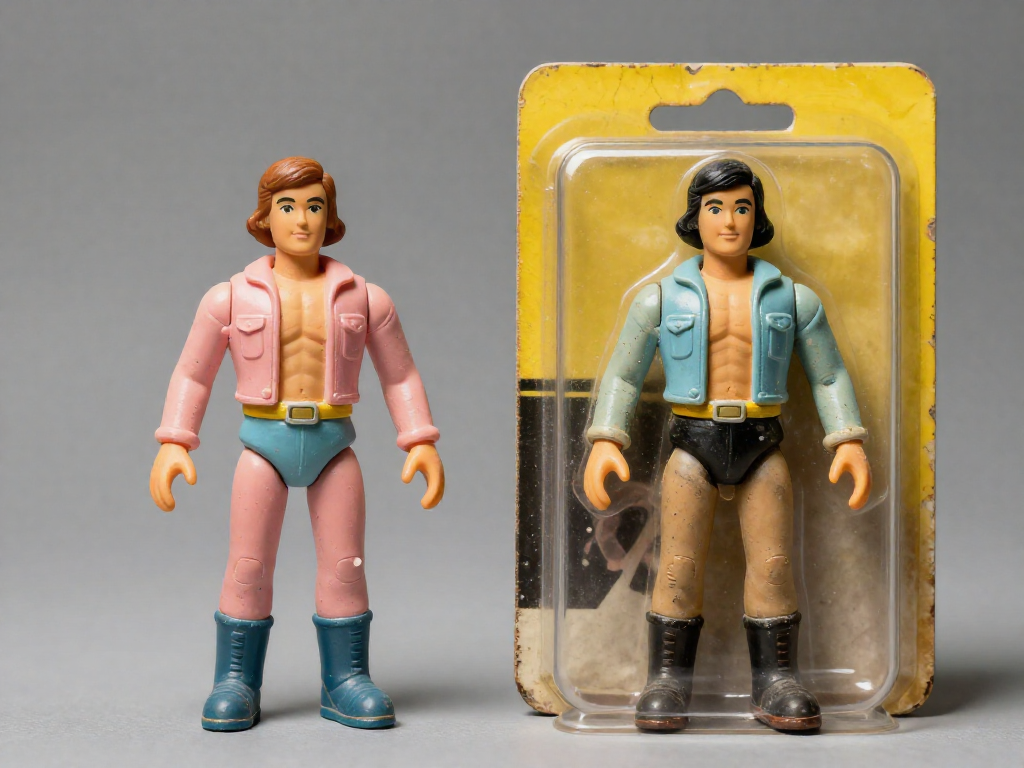
The biggest factor in price is whether a figure is loose or carded. A loose figure has been freed from its packaging (the way most of us actually played with them), while a carded figure — often called MOC, or "mint on card" — is still sealed in its original blister pack. That sealed cardboard makes a huge difference: a loose vintage figure might run you $10–$25, while the same figure MOC can easily cost five to ten times more. Collectors pay a premium for packaging that survived decades of kids, attics, and yard sales.
Condition matters too, and it's worth knowing the rough tiers:
- Mint — looks essentially unplayed, crisp paint, no wear. Priciest.
- Complete — has all its original accessories (weapons, capes, helmets). A great sweet spot.
- Played-with — visible wear, maybe missing a piece or two. The most affordable and totally fine for starting out.
For a beginner, chasing mint or MOC is the fast track to overspending. Start with loose, played-with or complete figures instead. They cost a fraction of the price, they're easier to find at flea markets and on eBay, and honestly? A figure with a little wear has character — it actually got loved. You can always upgrade later once you know what you really want to focus on.
Step 3: Know What to Look For (Condition & Authenticity)
Here's where a little know-how saves you real money. Before you hand over cash, give the figure a quick once-over — most rookie mistakes come from skipping this step.
Start with completeness. A loose figure missing its blaster or backpack is worth a fraction of a complete one. Check that all the original accessories, weapons, and removable parts are there, and wiggle the joints. Snug joints are good; floppy "limp limbs" are a common flaw on older PVC figures.
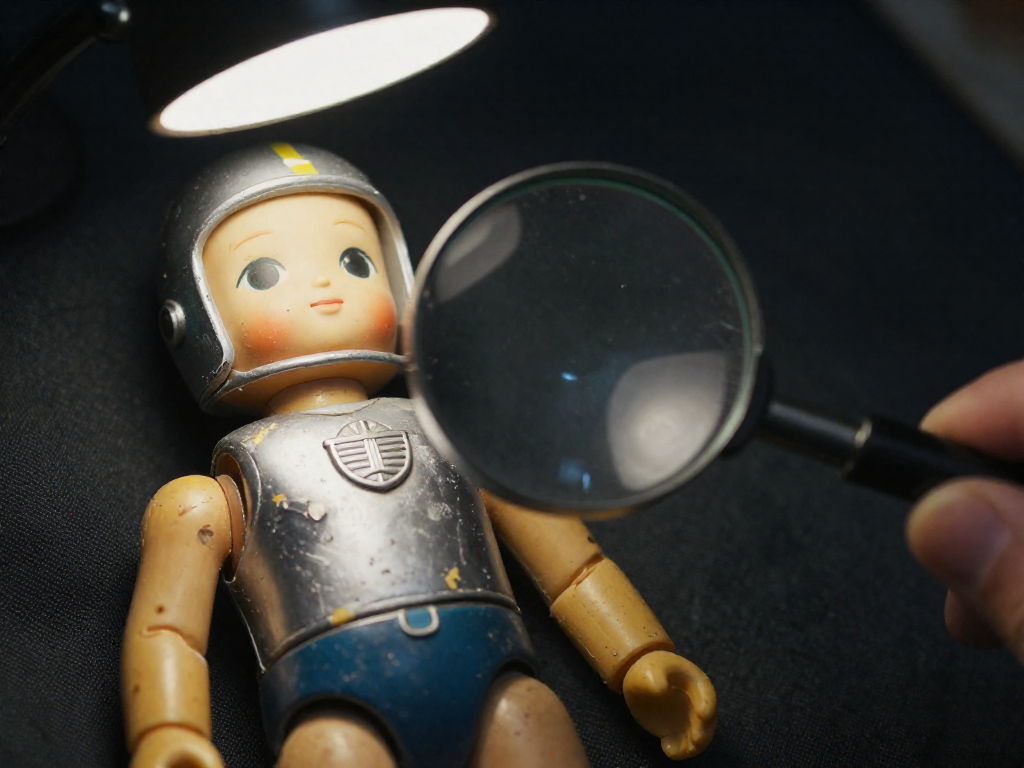
Scan for condition issues. Hold the figure under good light and look for:
- Paint wear or rubbing, especially on faces and raised details
- Yellowing on white or light plastic (usually from sun and age)
- Loose or cracked joints and stress marks near pegs
- Sticker or sticker-foil damage on figures that used decals
None of these are dealbreakers for a starter collection — a played-with figure with honest wear is a perfectly fun (and cheap) place to begin. Just make sure the price matches the condition.
Watch for fakes and repaints. Reproductions are most common on high-value lines like vintage Star Wars (1977–1985) and G.I. Joe. Red flags include odd plastic color, too-shiny paint, blurry sculpt detail, and a price that seems too good to be true. Custom "repaints" aren't scams, but they shouldn't be sold as original.
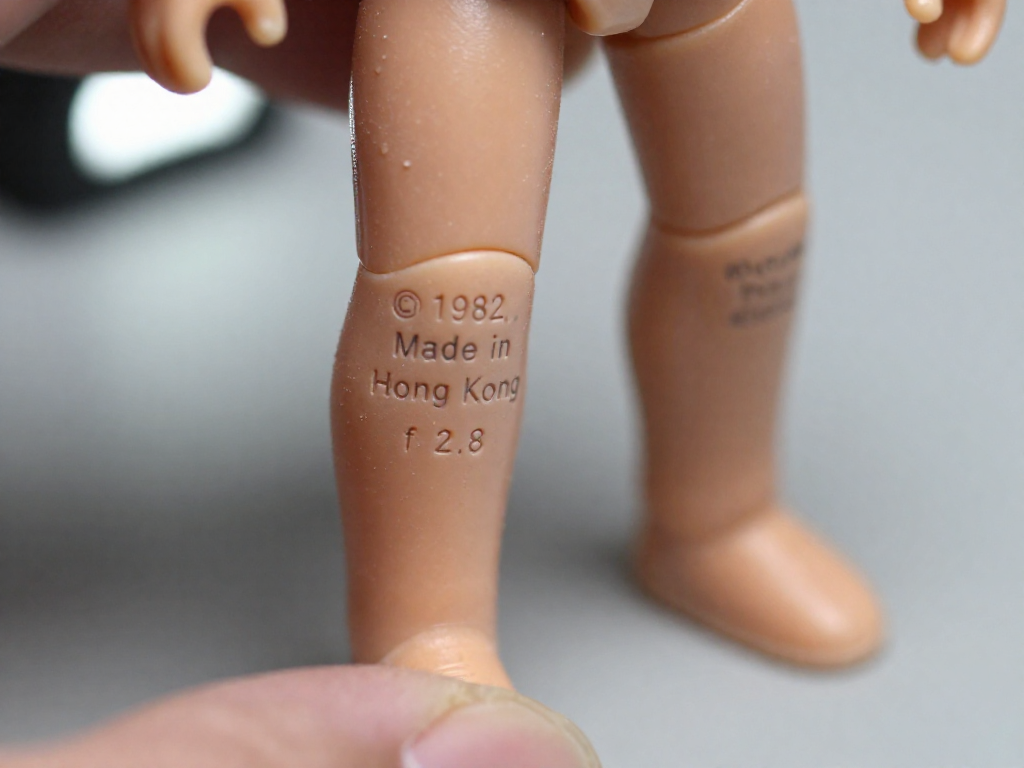
Read the stamps. Flip the figure over and check the legs, back, or feet for a copyright line — usually the manufacturer name, a year, and a country of origin (like "Hong Kong," "Taiwan," or "Macau"). These marks help you confirm an era and spot reproductions, since fakes often get the stamp wrong or leave it off entirely.
When in doubt, ask the seller for clear photos of the back stamp and any wear.
Step 4: Where to Hunt for Vintage Figures
Here's the fun part: the treasure hunt. Half the joy of collecting is the thrill of stumbling onto a dusty Boba Fett at a yard sale for a buck. You've got two main hunting grounds, and the smart move is to work both.
Hunting in person
Flea markets, estate sales, thrift stores, garage sales, and toy shows are where the magic (and the deals) happen.
- Pros: You can hold the figure, check joints, sniff out repaints, and haggle on the spot. Sellers at garage sales and thrifts often have no idea what they've got, which is exactly how underpriced gems end up in your hands.
- Cons: It takes legwork and luck. You might hit five sales and come home empty. Toy shows have better selection but sellers there know the values, so bargains are rarer.
Hunting online
eBay, Mercari, Facebook groups, Etsy, and dedicated collector forums put thousands of figures at your fingertips.
- Pros: Endless selection, easy price comparison, and sold-listing data (especially on eBay) that shows what items actually fetch, not just asking prices.
- Cons: You can't inspect in person, and shipping can crack a loose accessory or arrive looking nothing like the photos. Factor postage into your budget.
Spotting deals and dodging scams
- Search misspellings ("Star Wars figuer," "He-Man Skelator") on eBay — fewer bidders means lower prices.
- On listings, zoom into every photo. Vague pics or "stock images only" are red flags.
- Check a seller's feedback and reviews before buying. For pricey pieces, ask for extra photos of the date stamp and joints.
- Use sold listings to gauge fair value, so you know a steal when you see one.
- On Facebook and Mercari, prefer sellers with history and stick to platform payment protections — never wire money or pay off-platform.
Mix it up: browse online to learn prices, then go hunt in person where the real bargains hide.
Step 5: Store and Display Your Collection
You found the figures—now let's keep them looking great without spending a fortune.
The biggest enemy is sunlight. UV rays slowly yellow plastic and fade paint, so keep your shelves away from windows or use inexpensive UV-filtering film (around $15–25 a roll) on nearby glass.
For display and storage on a budget:
- Detolf-style glass cabinets or simple floating shelves keep figures dust-free and visible.
- Acid-free comic boxes or plastic bins with snap lids work great for figures you're rotating in and out.
- Small parts organizers (the kind from any hardware store, $5–10) are perfect for blasters, swords, and tiny accessories. Label each compartment by figure so nothing wanders off.
When it's time to clean, go gentle: a soft, dry makeup brush lifts dust from crevices, and a barely-damp cotton swab handles grime. Skip alcohol, household sprays, and abrasive wipes—they strip paint and factory finishes fast.
Treat your figures kindly and they'll stay shelf-ready for decades to come.
FAQ
How much money do I need to start collecting vintage action figures?
Less than you'd think. You can start a fun collection with $50–$100. Loose figures from popular lines often run $5–$30 each at flea markets, thrift stores, and yard sales, so you don't need a big budget to begin. A smart first move: set a monthly cap (say, $25–$50) and buy only figures you actually love rather than chasing 'investment' pieces. Carded, mint-condition figures cost much more, but you can happily collect for years before you ever spend serious money.
Are loose or carded action figures better for beginners?
For beginners, loose figures are the way to go. 'Loose' means out of the package, which makes them far cheaper, easier to find, and totally fine to display and enjoy. 'Carded' (still sealed on the original cardboard backing) figures command big premiums and are aimed at serious collectors who prize untouched condition. Start loose to learn what you like and how to spot quality, then chase a carded grail or two later if the bug really bites. When buying loose, check for original accessories, since missing weapons or capes lower the value.
How can I tell if a vintage action figure is real or a reproduction?
Look for the small details fakes get wrong. Genuine vintage figures usually have copyright stamps molded into the body or feet listing the company and year (for example, many original Star Wars Kenner figures from 1977–1985 are marked this way). Check that the plastic color, paint application, and joint tightness match known originals, and be suspicious of colors that look too bright or 'new.' Reproduction accessories are extremely common, so compare against reference photos from collector databases. When in doubt, ask in a collector forum or Facebook group before you buy — most folks are happy to help.
What is the best vintage action figure line for beginners?
It's the one you already feel nostalgic for, but a few lines are especially beginner-friendly because they're plentiful and affordable. Kenner's Star Wars line (1977–1985) is the classic starting point: huge variety, tons of loose figures, and great documentation. Other approachable picks include Masters of the Universe (Mattel, debuting in 1982), G.I. Joe: A Real American Hero (Hasbro, starting in 1982), and the Teenage Mutant Ninja Turtles line (Playmates, beginning in 1988). All four are common enough that you can build a satisfying display without overpaying.
Where is the cheapest place to find vintage action figures?
Your best deals are almost always offline. Yard sales, estate sales, flea markets, and thrift stores frequently have figures priced by people who don't know their value — that's where the bargains hide. Toy and comic conventions can be great for browsing and haggling in person too. Online, eBay's 'sold listings' help you learn fair prices, while local Facebook Marketplace and OfferUp let you skip shipping costs. The trick is patience: check often, dig through bins others ignore, and you'll score finds that more impatient buyers miss.
See also
- A History of Kenner Star Wars Figures
- How to Spot Fake Vintage Toys
- Best Flea Market Tips for Retro Collectors
- How to Clean and Restore Vintage Toys
Related articles
Why Beanie Babies Were the Bubble That Burst
What really happened with the Beanie Babies craze? The hype, the hoarding, the crash—and what collectors can learn from one of the '90s biggest manias.
Jun 27, 2026 · 10 min read
Cleaning and Restoring Grimy Vintage Toys the Safe Way
Learn gentle, safe ways to clean grimy vintage toys—plastic, vinyl, and stickers—without damaging paint, decals, or value. Beginner-friendly tips you can do today.
Jun 27, 2026 · 10 min read
What Makes a Vintage Toy Valuable? The Real Factors
Wondering what makes a vintage toy valuable? Decode rarity, condition, demand, and packaging with beginner-friendly tips you can actually use.
Jun 27, 2026 · 8 min read