Why the Cassette Tape Refuses to Die
Why are cassettes making a comeback?
On this page
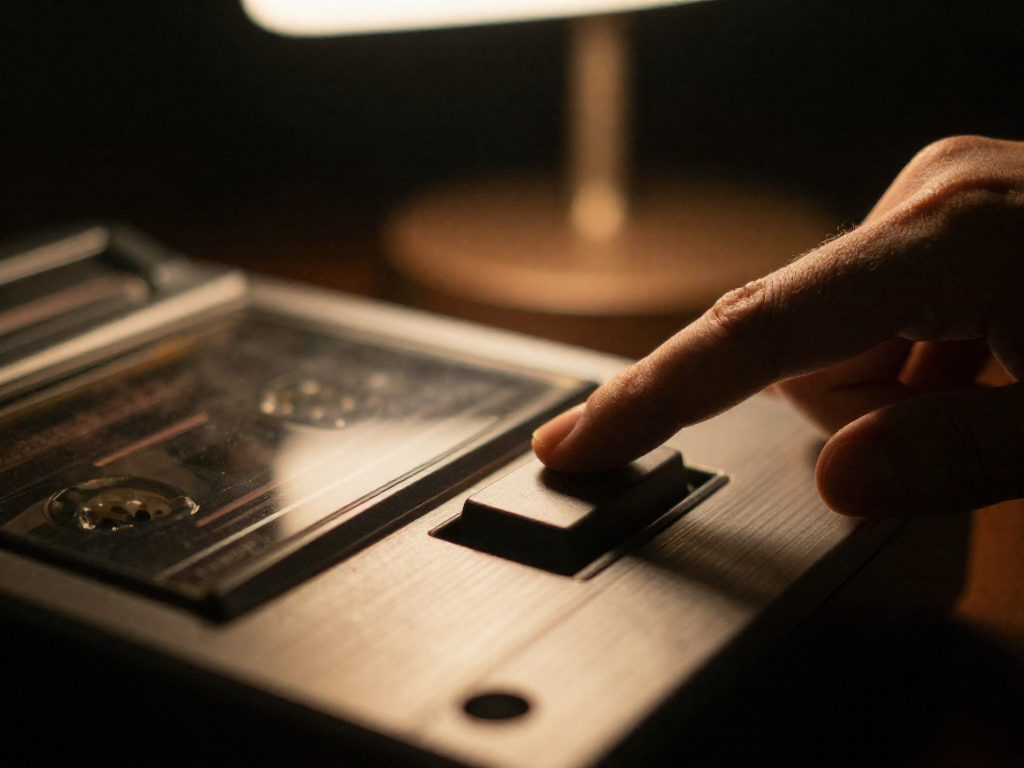
The Cassette That Wouldn't Stay Dead
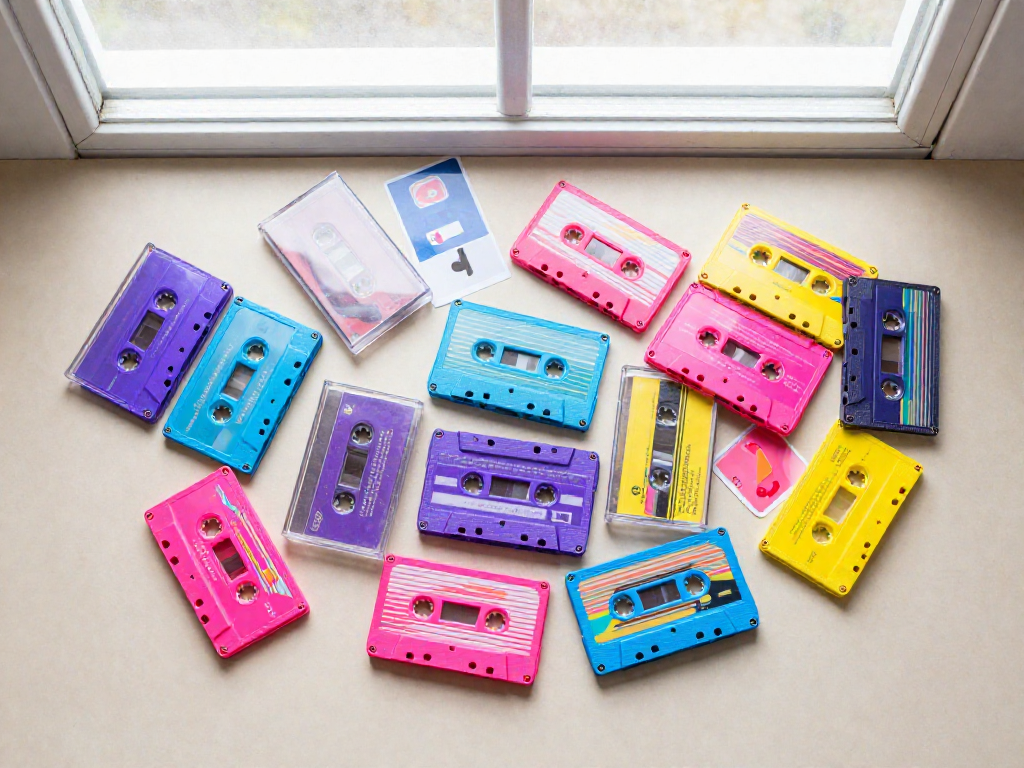
Here's a format that should have flatlined years ago. The CD swaggered in during the 1980s promising crystal-clear, hiss-free sound, and by the time streaming arrived, the cassette looked like a relic — clunky, tangle-prone, and famous for that sad ribbon of tape spooling out across a parking lot. Every signal pointed to a quiet burial. Even the big labels mostly stopped pressing them.
So why is the thing still spinning?
Because cassettes never actually got the memo. Sales have climbed for several years running, with steady gains reported by industry trackers — and not just from gray-haired completists hunting down their lost teenage mixtapes. A big chunk of the buyers are younger fans who never lived through the format's heyday, drawn to the chunky plastic shells, the hand-scrawled J-cards, and the simple thrill of owning music you can actually hold. Artists noticed too, and now new albums regularly get limited cassette runs alongside the vinyl and the download code.
It's a genuine paradox. By almost every measure that "matters," the cassette is a worse way to listen to music. The sound is warmer at best and muddy at worst. You can't skip to track seven without a lot of thumb-cramping fast-forward. And yet here it is, refusing to die — turning up in record shops, indie labels, and the back corner of your local thrift store.
That's the puzzle worth unpacking: how did a flawed, supposedly obsolete little box claw its way back into our hands? Let's rewind and find out.
A Quick History: How the Cassette Conquered the World
Before the cassette, recorded music lived on big, fragile vinyl or reel-to-reel decks that stayed put in the living room. Then in 1963, Philips introduced the Compact Cassette at a Berlin electronics show, and everything changed. Suddenly music wasn't furniture anymore — it was something you could pocket, toss in a backpack, and carry out the door.
The real revolution came in 1979, when Sony released the Walkman. For the first time, your soundtrack followed you: down the sidewalk, onto the bus, into your own private world of foam-padded headphones. If you grew up pressing play while staring out a car window, you already know the feeling the engineers stumbled into — music became personal in a way it had never been before.
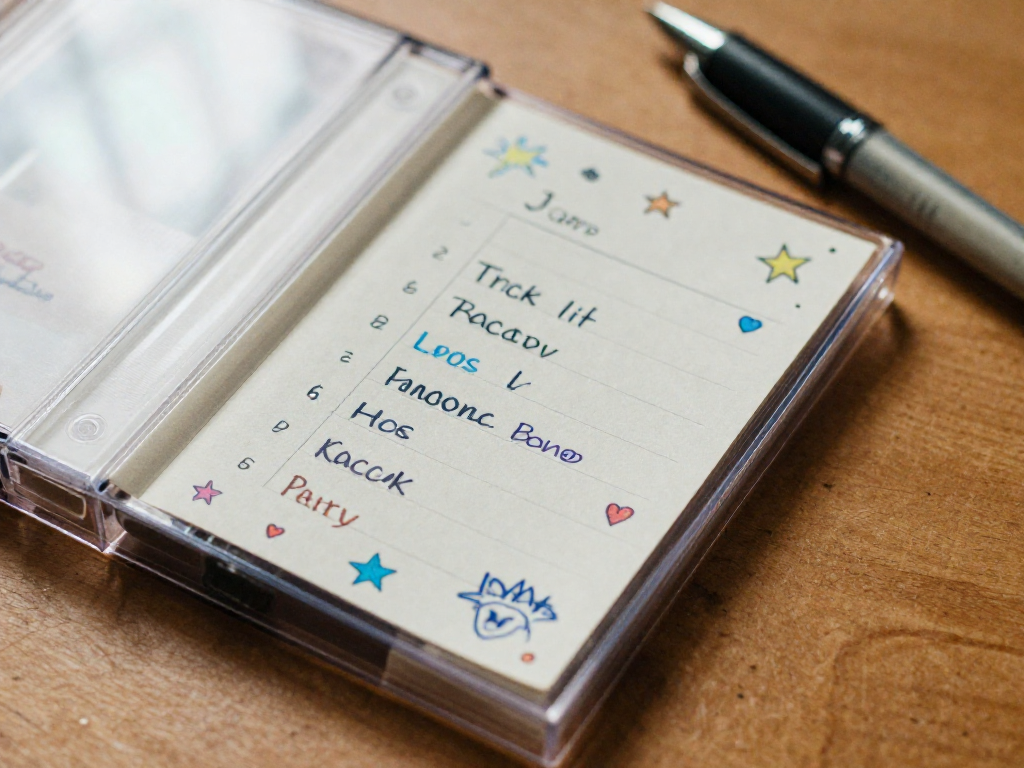
But here's where cassettes earned their place in our hearts. Unlike records, blank tapes let you record. That single feature gave birth to the mixtape, and the mixtape was never really about audio quality. It was a love letter. A mood board. An act of devotion that cost you an entire afternoon hunched over the deck, finger hovering over record, praying the DJ wouldn't talk over the intro. You agonized over track order. You drew tiny artwork on the J-card. You handed it to someone and said, without saying it, this is how I feel about you.
That effort is the whole point. You couldn't drag-and-drop a playlist in 1987. You had to commit — to time, to listening, to choices you couldn't undo with a click. The friction was the romance.
And that's exactly why this history still tugs at the 30-to-50 crowd today. If you were a kid or teenager in the '80s and '90s, cassettes weren't a format — they were the texture of your daily life. The clack of the deck. The pencil rewind trick when the player ate your tape. The specific anxiety of side A running out mid-song. These aren't just old technologies; they're sensory time machines, wired straight into the years when music felt like the most important thing in the world.
So when we talk about cassettes refusing to die, we're not really talking about magnetic tape. We're talking about a feeling — and feelings, it turns out, are a lot harder to discontinue than a product line.
The Emotional Pull: Nostalgia You Can Hold
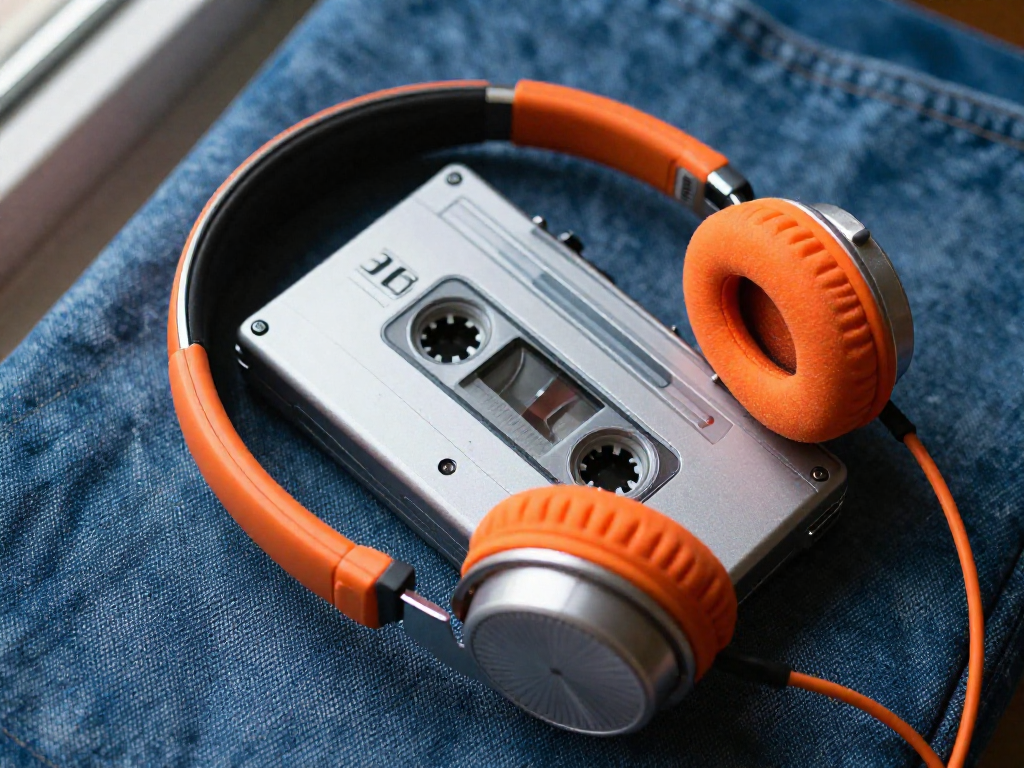
Ask anyone who grew up taping songs off the radio why they still keep a shoebox of cassettes, and you'll rarely hear an answer about sound quality. You'll hear about feeling. That's the real engine behind the cassette's stubborn revival — it gives nostalgia a body. You can hold it, flip it, and write on it. Streaming, for all its miracles, hands you an endless library that somehow weighs nothing at all.
A Ritual You Can Touch
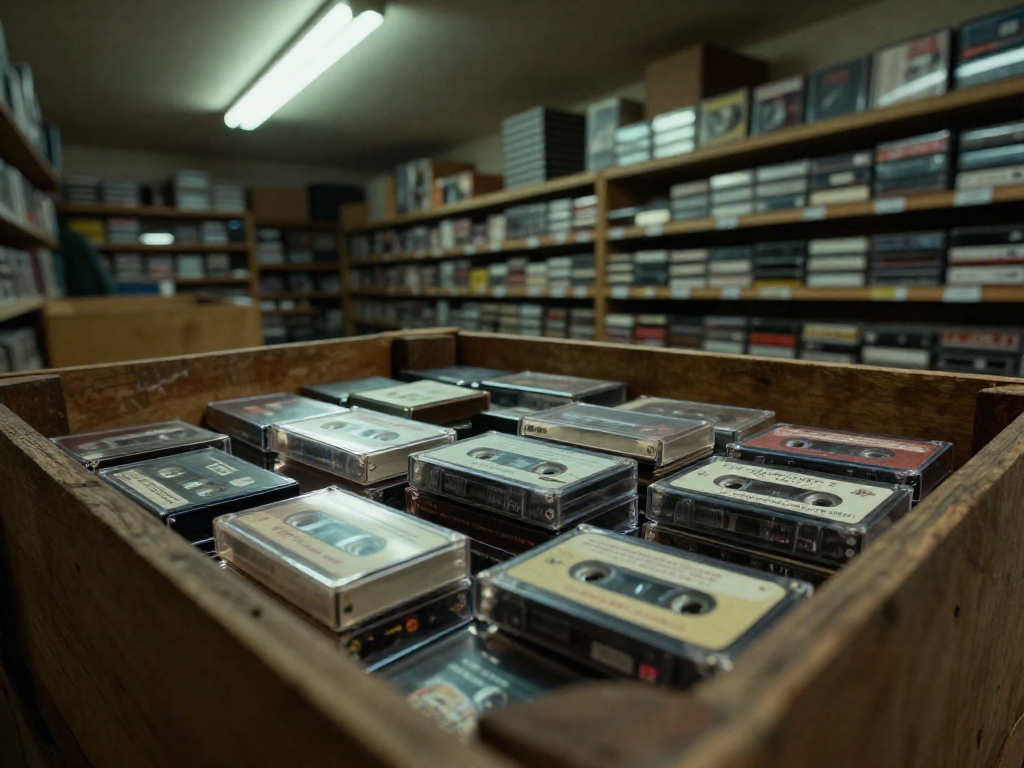
There's a small ceremony to playing a tape. You slide it from its case, check which side is up, push the heavy clunk of the deck, and wait. You can't skip instantly to track seven, so you live with the album the way the artist sequenced it. That friction is exactly the point. In a world of frictionless on-demand everything, the cassette asks for a little patience — and gives back a sense of occasion that a tap on a glass screen never quite delivers.
The Mixtape Was a Love Letter
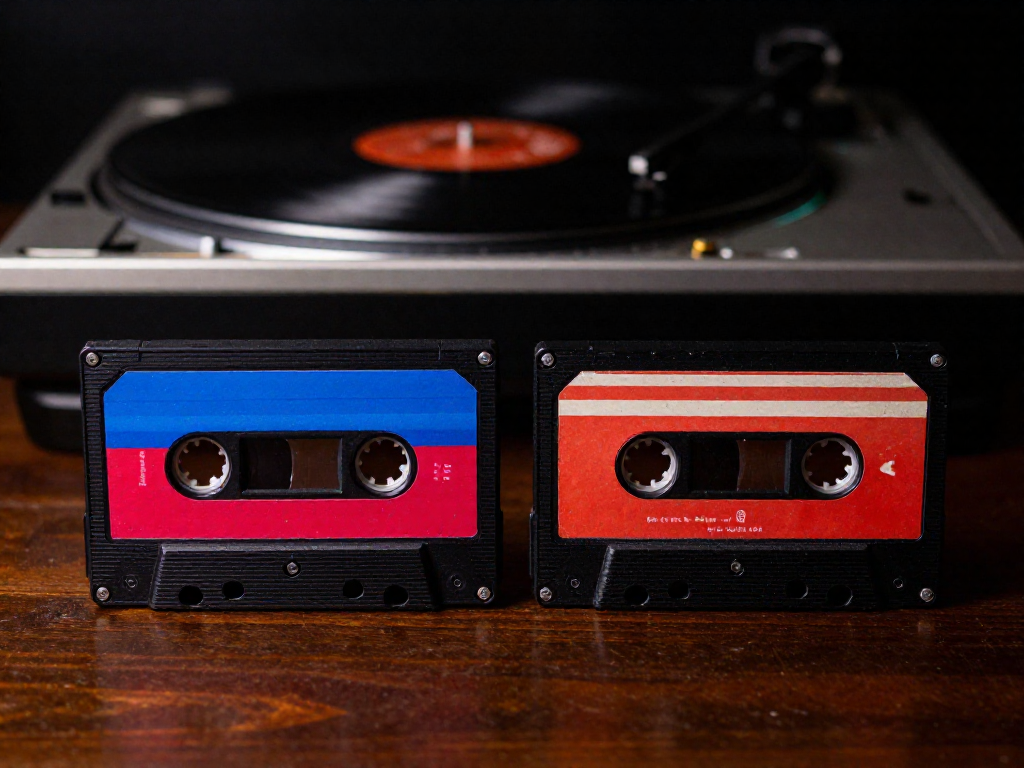
No format has ever been as personal as the mixtape. Making one in the late '80s or early '90s meant sitting by your stereo for the better part of an afternoon, fingers hovering over Record and Pause, timing each song so it wouldn't get cut off when the tape ran out. You agonized over the opening track. You hand-lettered the J-card. Then you gave it to someone, and it meant something.
An algorithm can assemble a flawless playlist in half a second, but it can't sweat over whether track four is too obvious. The mixtape's value was the time and thought poured into it — proof that someone knew you well enough to build forty-five minutes of sound just for you. That handmade intimacy is what people are quietly chasing when they buy a deck again.
Warm Imperfection
Cassettes are gloriously flawed, and that's a feature now, not a bug. The faint hiss under quiet passages, the slight wobble of pitch on an old tape, the way high frequencies soften with each play — together they create a warmth that pristine digital files lack. It sounds lived-in. Many listeners describe it as music that breathes, with edges sanded down just enough to feel cozy rather than clinical.
Tapes as Time Machines
Finally, there's memory. A specific cassette can drop you straight into a specific summer — a particular car, a particular crush, the smell of a friend's basement. Because a tape is a physical object you carried and replayed, it became woven into actual moments in a way a streaming history never can. Pressing play isn't just hearing a song; it's reopening a door to who you were when you first wore that tape thin. That emotional time travel, more than any spec sheet, is why the cassette refuses to die.
The Practical Reasons Behind the Comeback
Nostalgia gets you in the door, but it doesn't fully explain why cassettes keep selling. There are some refreshingly practical reasons too — and most of them are good news if you've ever wanted to collect something without remortgaging the house.
It's the cheapest way into physical music. Vinyl is wonderful, but a new pressing routinely runs $25–$40, and a decent turntable adds $100 or more. Cassettes flip that math. New tapes from current artists usually land around $8–$12, and a perfectly good secondhand deck can be found for $20–$50. That low barrier is a huge part of the appeal — you can start a small, fun collection for the price of one fancy vinyl record.
Tapes became the merch table MVP. For indie and DIY artists, cassettes are cheap to manufacture in small batches, which means a band can press 100 tapes without a label or a big budget. They're light to ship, easy to sell at shows, and they give fans a tangible keepsake. If you've been to a small gig in the last several years, you've probably seen a stack of them next to the T-shirts. Buying directly from a band's Bandcamp page or merch table is one of the most reliable (and supportive) ways to find new tapes.
They're just nice objects to own. A lot of the comeback is about wanting something you can hold in a streaming world. Cassettes have a chunky, tactile charm: the clear shells, the hand-drawn J-cards, the spools you can actually watch turn. They look great lined up on a shelf, and they invite the kind of slow, deliberate listening that a shuffle button doesn't.
Scarcity does the rest. Many releases are limited runs — a single pressing of a few hundred copies, often in colored shells or with bonus inserts. Once they're gone, they're gone, and that built-in exclusivity drives demand among fans and collectors alike.
Where to start: Check Bandcamp (filter by cassette format), your local record store's tape bin, and thrift stores or estate sales for older finds. Before you buy a used tape, look for cracked shells, warped or wrinkled tape, and a moldy or musty smell — those are the deal-breakers. Wobbly hubs or a loose pressure pad are usually fixable. Expect to pay a few dollars for common used tapes and only splurge on sealed or rare titles once you know what you actually enjoy.
Cassettes vs. Vinyl: Why Both Are Thriving
If you've fallen back in love with cassettes, odds are good vinyl is whispering your name too. The two formats aren't rivals so much as old friends staging a comeback together — and each scratches a slightly different itch.
What cassettes do best: They're cheap and forgiving. You can grab a used tape for a buck or two at a thrift store, while a single new vinyl record often runs $25–$35. Cassettes are also wonderfully portable — toss a few in a bag, pop one in a Walkman, and you've got a soundtrack for the day. There's a scrappy, lo-fi charm to that hiss and click that a lot of us associate with making mixtapes in our bedrooms.
Where vinyl wins: Sound quality, plainly. A clean record on a decent turntable sounds warmer and fuller than tape, which degrades a little with every play. Vinyl also holds value far better — collectible pressings can appreciate, while most cassettes stay charmingly affordable (which, honestly, is part of the fun).
What actually drives both: Not fidelity — feeling. Streaming already gives us perfect, frictionless sound. What it can't give us is the ritual: the cover art in your hands, the gentle effort of pressing play, the memory that floods back with a familiar album. Nostalgia is the real engine here.
New to the turntable side of things? Our vinyl collecting guides walk you through starter setups and where to dig for cheap records without overspending.
How to Start Collecting Cassettes Without Spending a Fortune
Here's the best news about cassette collecting: it's still one of the cheapest ways to start a physical music habit. While vinyl prices have crept into "do I really need rent this month?" territory, tapes are often hiding in plain sight for pocket change. Here's how to dig in without overspending.
Where to Find Cheap Tapes
Start local. Thrift stores (Goodwill, Salvation Army, and mom-and-pop shops) frequently dump cassettes into bargain bins at 50 cents to $3 each. Yard sales and estate sales are goldmines, especially in homes that clearly peaked in the '80s and '90s — don't be shy about asking if they have "a box of old tapes in the garage." Online, eBay and Discogs are great for hunting specific titles, but expect to pay more once shipping is added; lots of "untested" bulk tapes can run $1–$2 per tape if you buy in bundles.
Picking a Player on a Budget
You don't need a museum piece. A solid used Walkman-style portable or a component tape deck from a brand like Sony, JVC, or Technics will treat your tapes far better than a flimsy new plastic player. Look for ones described as recently serviced or with clean playback. Realistically, budget $25–$60 for a tested portable and $40–$100 for a decent home deck. Avoid the ultra-cheap new "retro" players that crowd online stores — they often run fast, sound thin, and can chew tapes.
Spotting Damaged Tapes Before You Buy
Give every tape a quick once-over:
- Warped shells — if the plastic case is bowed or cracked, the tape inside may drag.
- Mold or mildew — fuzzy white or greenish spots and a musty smell are dealbreakers; mold spreads to other tapes.
- Loose or wrinkled tape — peek through the window; the ribbon should look smooth and evenly wound.
- Sticky or gummy reels — a sign of age-related deterioration.
When in doubt, skip it. At these prices, you can afford to be picky.
Basic Care and Storage
Rewind tapes fully before storing, and keep them upright like books — flat stacking warps shells over time. Store away from heat, sunlight, and magnets (yes, including speakers). A cheap cassette head-cleaning kit or a cotton swab with isopropyl alcohol on your player's heads every few weeks keeps playback crisp.
Easy First Targets
Don't chase rare gems right away. Beginner-friendly, abundant, and cheap picks include movie soundtracks, greatest-hits compilations, and mainstream '80s and '90s pop — think the stuff that sold millions and now floods bargain bins. They're affordable, fun, and the perfect way to learn what you actually enjoy before you splurge.
Will the Cassette Revival Last?
Here's the thing about nostalgia: it runs in cycles. Every couple of decades, the stuff we grew up with circles back, polished by memory and hungry for a second act. Vinyl proved it. Polaroids proved it. The cassette is simply taking its turn in the spotlight — and honestly, it's earned it.
But the tape's staying power isn't really about audio quality (we all know it isn't winning that fight). It's about what the cassette represents. It's the mixtape you made for a crush, the album you saved up weeks of allowance for, the rewind-and-replay ritual that made music feel like something you participated in rather than just streamed. That emotional weight doesn't expire. It's a cultural symbol, not just a hunk of plastic and magnetic tape.
So will the revival last? Probably not as a chart-topping format — but as a beloved, hands-on hobby? Absolutely. Formats fade; feelings don't.
If any of this stirred something in you, don't overthink it. Grab a $5 tape from a thrift bin, dust off a deck, and press play. Start small, enjoy the gentle hiss and the satisfying click, and let the ritual remind you why you loved this in the first place.
See also
- Why Vinyl Records Made a Massive Comeback
- How to Start a Vinyl Collection on a Budget
- The Lost Art of the Mixtape
- Best Retro Music Gear for Nostalgic Collectors
- A Beginner's Guide to Caring for Old Media
Related articles
Troubleshooting a Turntable That Skips, Hums, or Drags
Why is your turntable skipping or sounding off? Diagnose speed, tracking, and grounding problems with simple, beginner-friendly fixes—no expensive gear needed.
Jun 27, 2026 · 11 min read
How to Store Cassette Tapes So They Last Another 30 Years
Learn how to store cassette tapes long-term. Simple tips on heat, humidity, magnetism, and case care to preserve your tape collection for decades.
Jun 27, 2026 · 9 min read
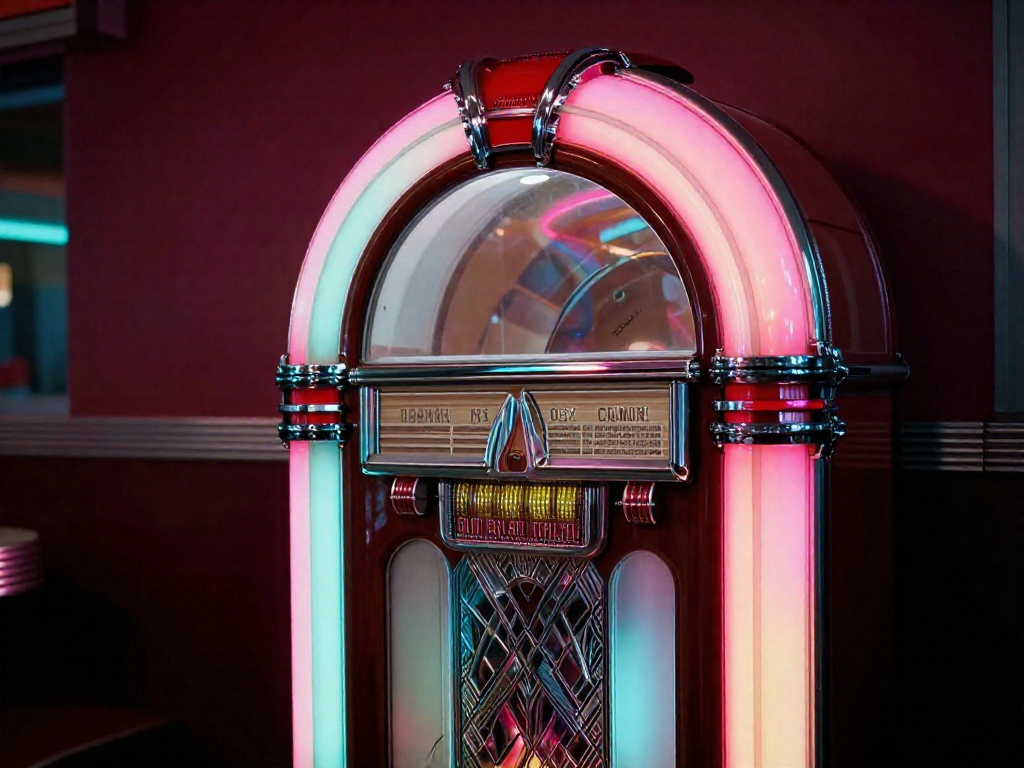
The Story Behind the 45 RPM Single and the Jukebox Era
Discover where the 45 RPM single and jukebox culture came from, why the little record changed music, and beginner tips for collecting 45s on a budget.
Jun 27, 2026 · 9 min read