Vinyl vs. Cassette: Which Retro Format Is Worth Your Money?
Should I collect vinyl or cassettes?
On this page
The Quick Verdict (For People Who Want the Answer Now)
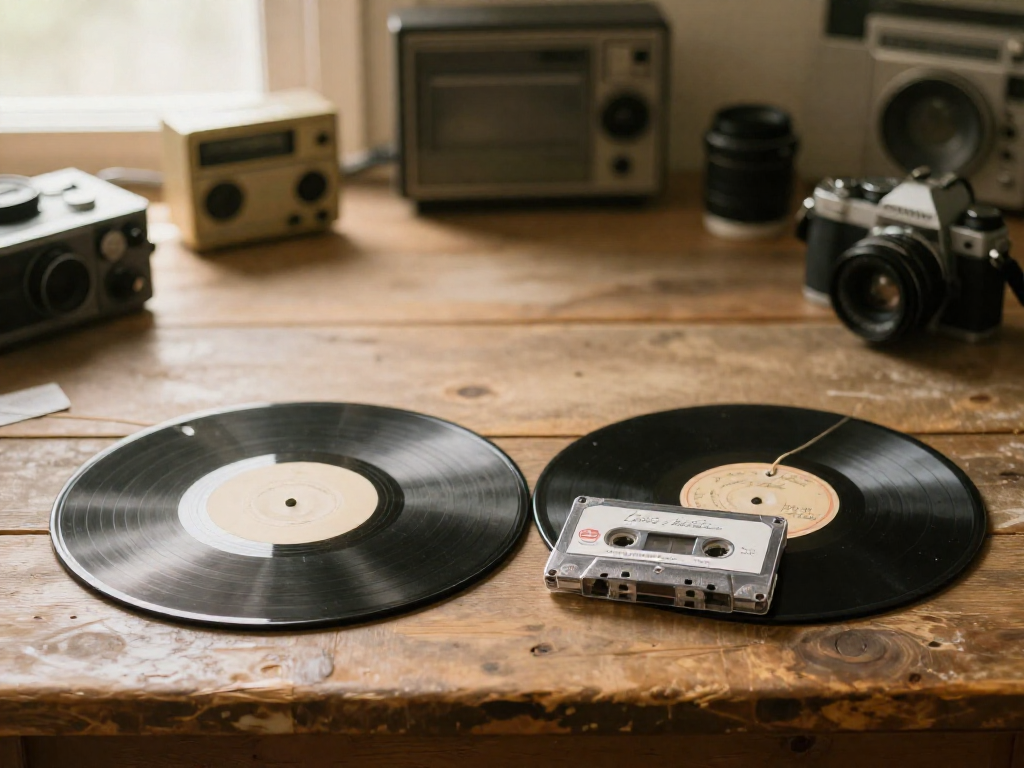
Short on time? Here's the deal: cassettes win on cost and charm, vinyl wins on sound and resale. That's it. That's the answer your nostalgic heart has been chasing.
If you're working with a tight budget and just want that warm, clicky, fast-forward-with-a-pencil feeling, go cassettes. You can build a fun shelf for the price of a couple of fancy coffees.
If you care about richer sound and want pieces that hold (or grow) their value over time, vinyl is your format. It costs more upfront, but it rewards patience.
Not sure yet? Totally fair. The right pick really comes down to three things we'll break down below: how much you want to spend, how much you care about sound quality, and how you actually like to listen. Stick around — by the end, you'll know exactly which one belongs in your cart.
Cost Breakdown: What Each Format Really Costs to Start
Here's the good news: you can get into either format for less than the cost of a nice dinner out. But the two paths spend your money very differently.
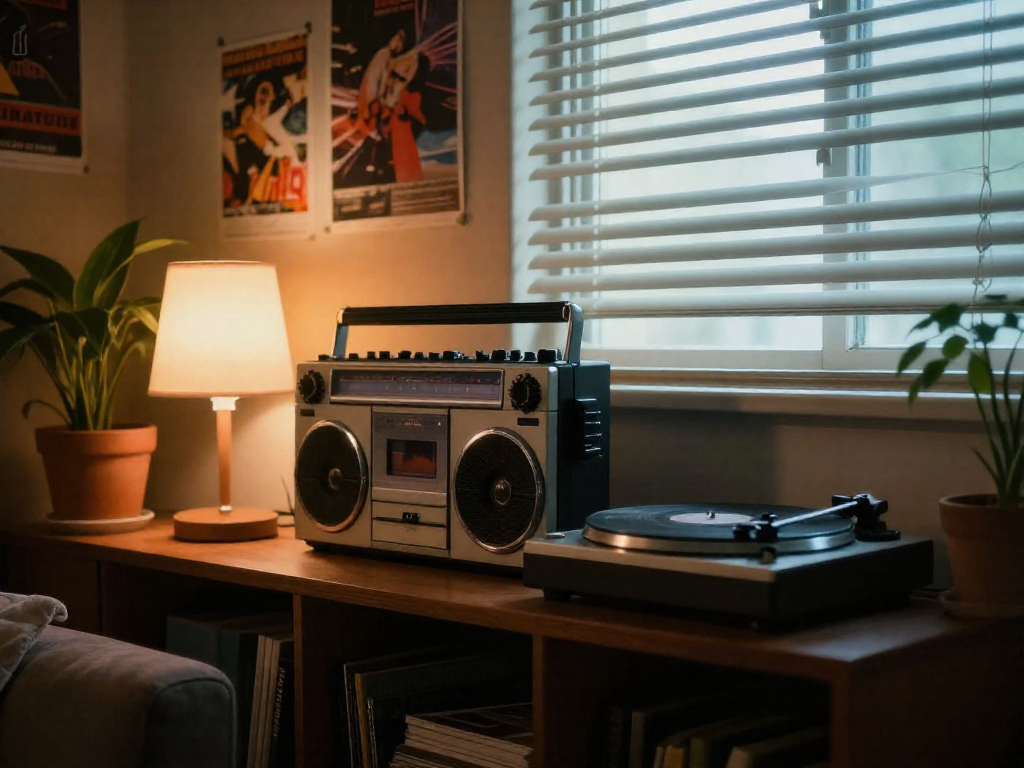
The gear. Cassettes win the upfront battle. A used boombox or a basic personal deck runs about $20–$50 at a thrift store or online, and a refurbished portable can be even less. Turntables ask a little more. A solid entry-level belt-drive model with a built-in preamp (so you can plug straight into powered speakers) usually starts around $80–$120 new. You can find used decks cheaper, but factor in a tune-up.
The music. This is where vinyl bites back. Thrifted cassettes are gloriously cheap — usually $1–$5 each, and bins are often overflowing with '80s and '90s titles nobody else is fighting over. New vinyl reissues run $20–$35, while used records swing wildly: a beat-up common title might be a buck, a clean classic $15–$30.
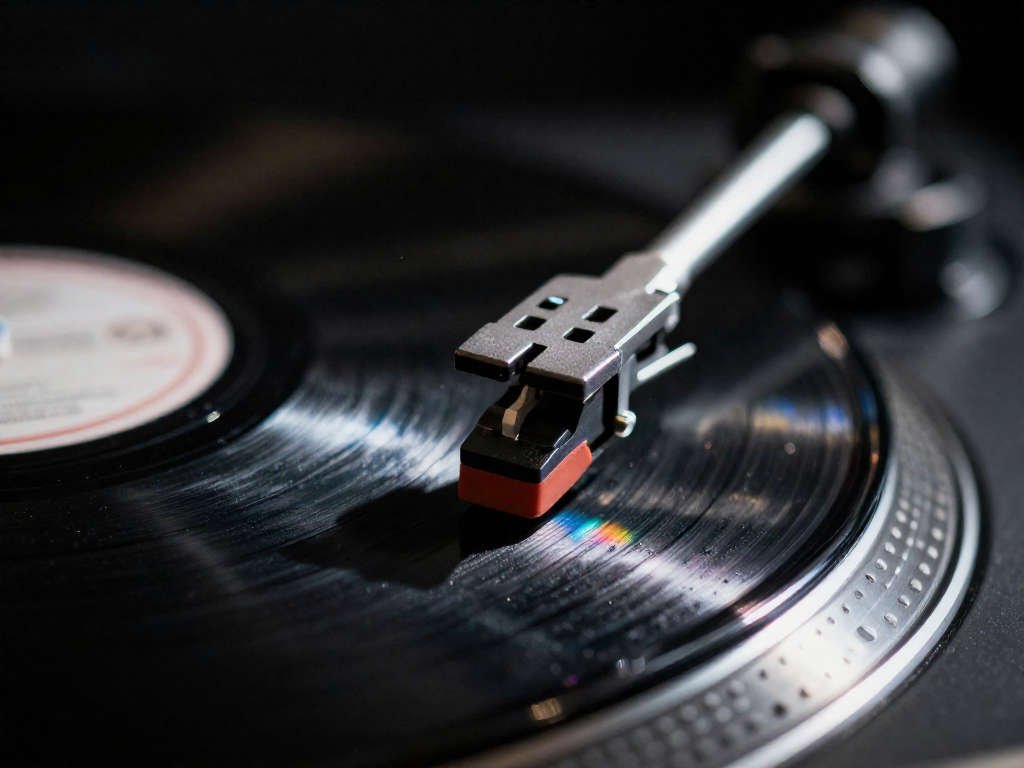
The hidden costs. Vinyl needs a new stylus (needle) every so often — budget $20–$40 down the road — and worn cartridges add up. Tape decks eventually need a replacement belt ($5–$15) and a head cleaning with isopropyl alcohol and a cotton swab.
Where to dig cheap: thrift stores, estate sales, flea markets, garage sales, and library book sales. Always check tapes for warping and a snug shell; check records for deep scratches by tilting them under light.
Under-$100 starter kits:
- Cassettes: $35 deck + 12 thrift tapes at $3 = ~$71
- Vinyl: $85 turntable + a couple of $7 used records = ~$99
Both leave you spinning by the weekend without emptying your wallet.
Sound Quality: Warmth, Hiss, and Honest Expectations
Let's skip the audiophile arguments and talk about what you'll actually hear on the couch.
Vinyl has a wider dynamic range — the gap between the quietest and loudest moments — and that's a big part of the "warm" reputation. Analog records capture a smooth, full-bodied sound, and a well-pressed LP on a decent turntable can feel genuinely rich and present.
Cassettes are the scrappier sibling. You'll hear hiss (that faint background "shhh"), plus wow and flutter — tiny speed wobbles that can make sustained notes waver. Tapes from the late '70s onward often used Dolby noise reduction to tame the hiss; in plain terms, it quiets the background during recording and restores it on playback. When it works, it helps a lot.
Here's the honest part: with cassettes, the tape's condition and your deck quality matter far more than the format itself. A clean tape on a maintained deck beats a worn tape on a thrift-store boombox every time. Vinyl is more forgiving but still rewards a clean record and a decent needle.
And don't underestimate nostalgia. That little hiss, the click of a cassette door, the soft crackle before a record's first track — for a lot of us, the imperfections are the appeal. They sound like being 14 again.
The verdict for everyday listening: vinyl edges out cassettes on raw sound quality, but neither will disappoint if the gear is in good shape. Pick the one that makes you grin, not the one that wins a lab test.
Gear and Maintenance: What You'll Actually Live With
Buying the music is the easy part. Owning the gear is the relationship. Here's what each format asks of you week to week.
Turntables. Plan on replacing your stylus (the "needle") every 500–1,000 hours of play — a decent replacement runs $20–$40. You'll also want to level the deck (a $5 bubble level does it) and keep records clean with a carbon-fiber brush ($10–$15) before every spin. None of this is hard; it's just a habit.
Cassette decks. The main chores are cleaning the tape heads, capstan, and pinch roller with isopropyl alcohol and a cotton swab every few weeks. The real villain is the "tape eat," when a worn pinch roller chews up your cassette. Keep a pencil handy to wind tape back in, and don't play a beloved tape on a deck you don't trust.
Space and display. Records double as decor — a wall of sleeves looks great. Cassettes win on storage; a whole collection fits in a shoebox.
Reliability. Vintage decks of either type often sound best but may need repair. New budget turntables (under $100) are usually fine; avoid the suitcase players that can damage records.
Beginner-friendly? Cassettes are cheaper to start, but vinyl is more forgiving — fewer moving parts to go wrong, and players are easier to find serviced and ready to go.
Collectibility and Resale: Will It Hold Value?
Let's be honest: most of what you'll pull from a thrift bin isn't a retirement fund. But if you're curious about value, here's the real picture.
Vinyl has the deeper, steadier market. Records have been bought, sold, and graded by collectors for decades, so there's a well-worn resale path and plenty of price history to lean on. A clean Beatles or Fleetwood Mac pressing will always find a buyer.
Cassettes are the scrappy up-and-comer. Tapes were long dismissed as worthless, but limited runs, sealed copies, and niche genres (think early hip-hop, metal, or local punk) have started fetching real money. The market is younger and bumpier, but it's genuinely growing.
Whatever the format, three things drive value:
- Condition — clean media and intact sleeves/cases beat scuffed every time.
- Rarity — small pressings and out-of-print titles are scarce by nature.
- Pressing/edition — first pressings, colored variants, and original labels matter.
A few quick sleeper-spotting tips:
- Flip records to check for warps and deep scratches under the light.
- Look for "first pressing" clues in the runout groove or matrix numbers.
- Snap up sealed cassettes — they're getting harder to find.
My honest advice? Collect for joy first, value second. The thrill of the hunt is the real payoff; a lucky resale is just a bonus.
How to Choose: Match the Format to Your Life
Forget what's "better" on paper. The right format is the one that fits your budget, your space, and the way you actually like to listen.
Pick cassettes if you're working with a small budget, you miss the lost art of the mixtape, or you just want low-stakes fun. A decent thrifted Walkman or deck runs $15–$40, and tapes routinely turn up for $1–$5 at flea markets and Goodwill. Mess one up? You're out the price of a soda.
Pick vinyl if you care about fuller sound, you enjoy the ritual of dropping a needle, and you love giant album art you can actually frame. Expect more upfront: a beginner-friendly turntable in the $90–$150 range, plus $5–$25 for used LPs.
"Both" is a totally legit answer. Plenty of folks keep a cheap tape deck for road-trip nostalgia and a turntable for serious listening. Dabble before you commit—grab a $5 tape and a $5 record and see which one pulls you back.
First-purchase checklist: Buy from a shop or seller who lets you inspect or test. For tapes, check that the shell isn't cracked and the reels turn freely. For records, tilt the disc under light to spot deep scratches and warping. Skip anything moldy or sun-faded.
Start small. Trust your own ears over anyone else's rules—this is supposed to be fun.
See also
- Beginner's Guide to Buying Your First Turntable
- How to Clean and Care for Vinyl Records
- Best Thrift Store Tips for Scoring Cheap Records and Tapes
- The Nostalgic Comeback of the Mixtape
- Are 8-Tracks Worth Collecting?
Related articles
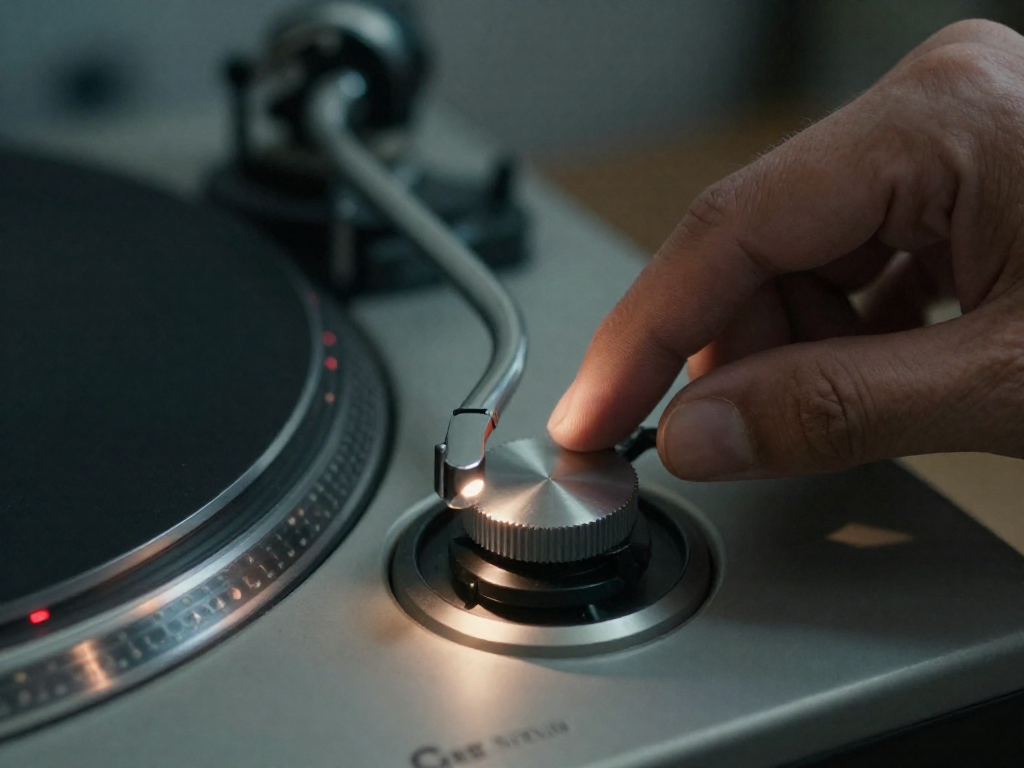
Troubleshooting a Turntable That Skips, Hums, or Drags
Why is your turntable skipping or sounding off? Diagnose speed, tracking, and grounding problems with simple, beginner-friendly fixes—no expensive gear needed.
Jun 27, 2026 · 11 min read
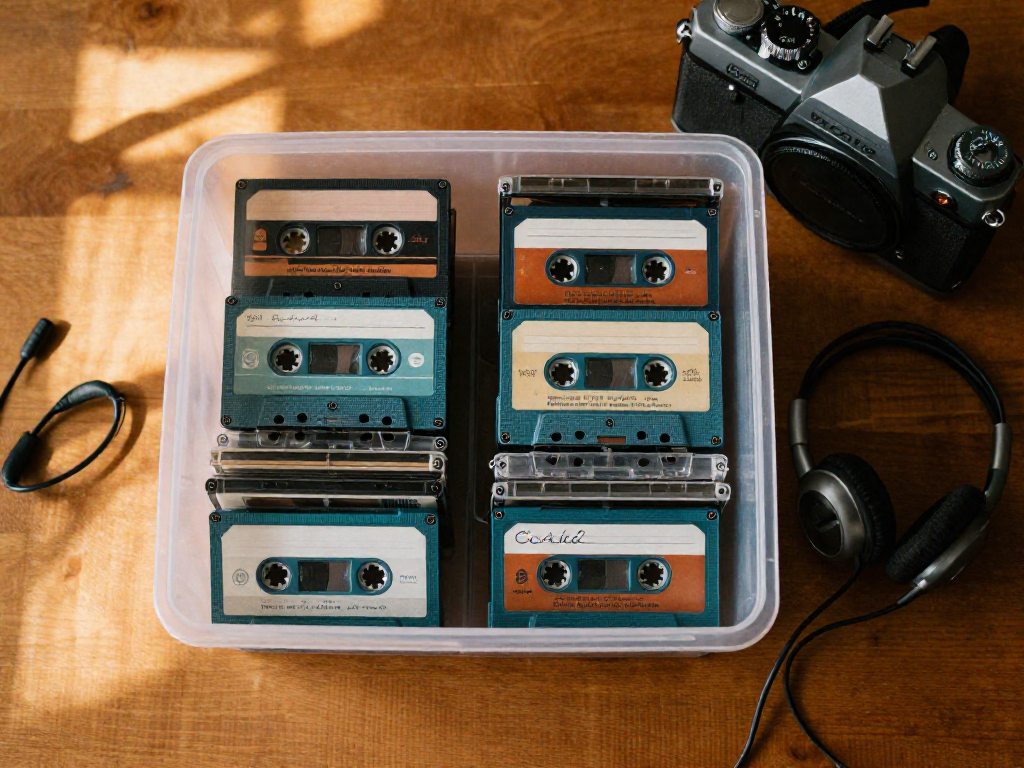
How to Store Cassette Tapes So They Last Another 30 Years
Learn how to store cassette tapes long-term. Simple tips on heat, humidity, magnetism, and case care to preserve your tape collection for decades.
Jun 27, 2026 · 9 min read
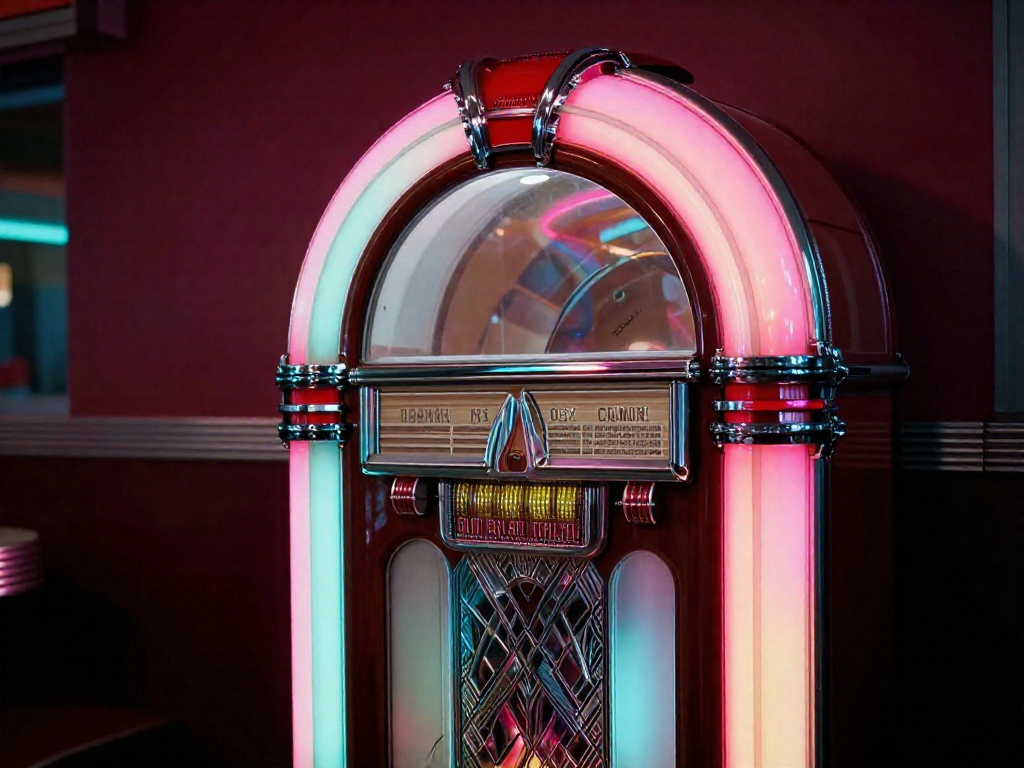
The Story Behind the 45 RPM Single and the Jukebox Era
Discover where the 45 RPM single and jukebox culture came from, why the little record changed music, and beginner tips for collecting 45s on a budget.
Jun 27, 2026 · 9 min read