Where to Find Cheap Vinyl: A Treasure-Hunter's Playbook
Where can I find affordable records?
On this page
Why Cheap Vinyl Is Still Everywhere (If You Know Where to Look)
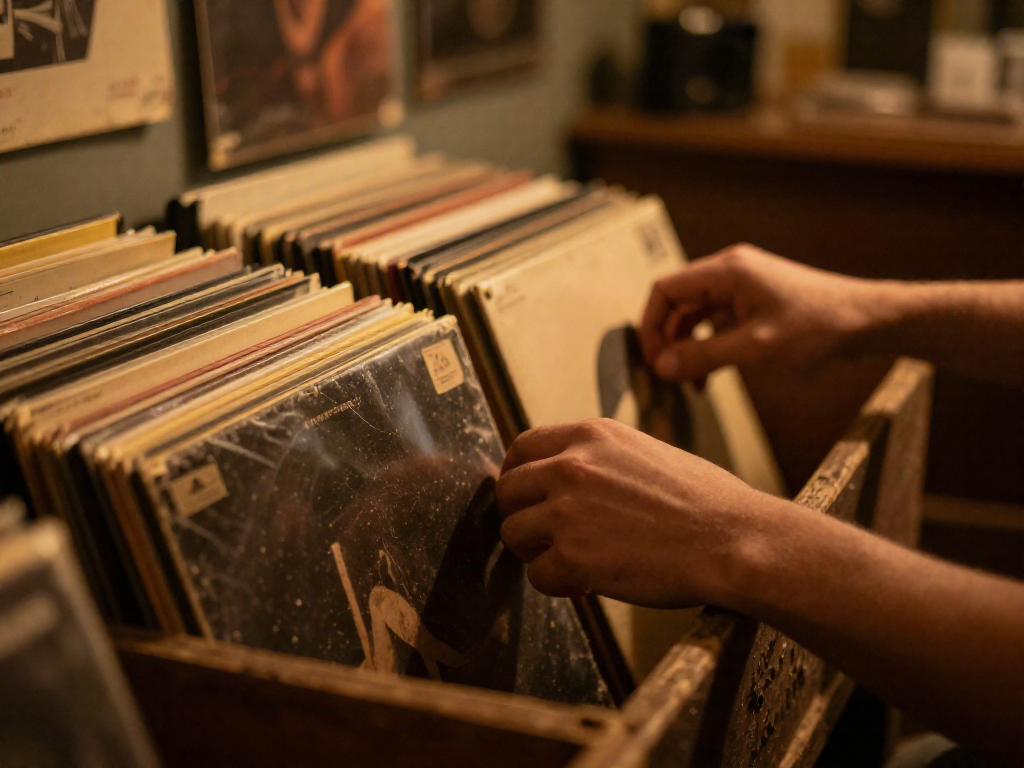
Here's the good news for anyone just dipping a toe into crate digging: cheap vinyl is not a myth. Yes, the vinyl resurgence of the 2010s sent prices soaring on splashy reissues and sought-after pressings — but that boom only touched a thin slice of what's actually out there. Underneath all the hype sit literal mountains of everyday records nobody is fighting over.
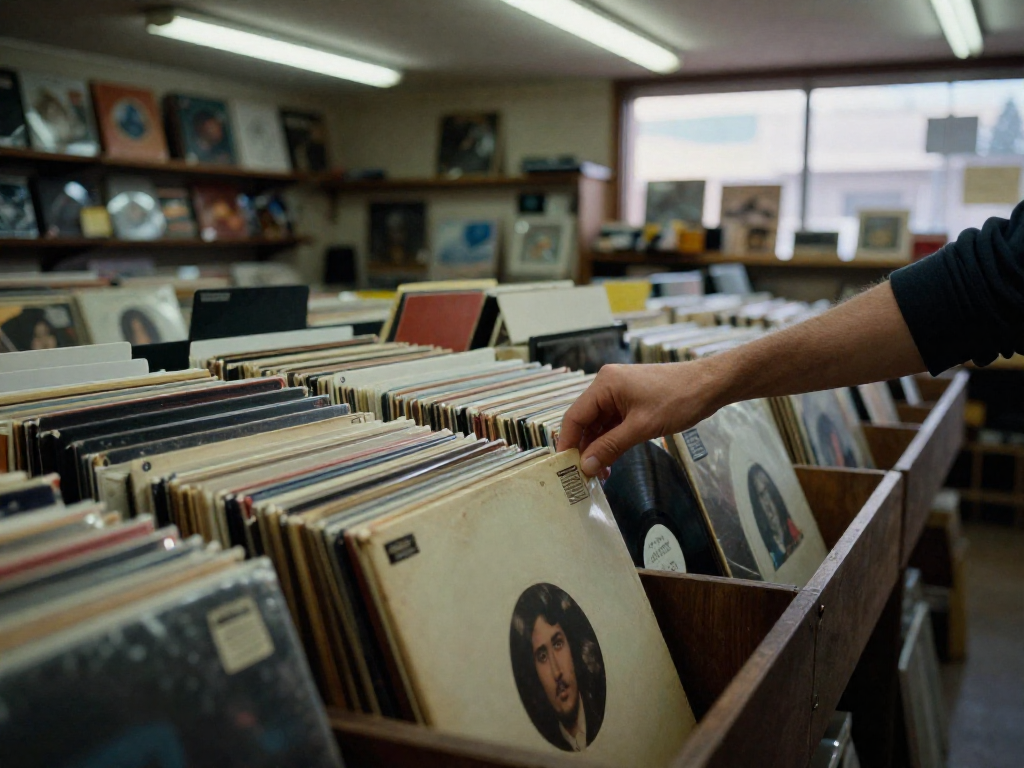
Walk into almost any thrift store, estate sale, or church rummage table and you'll find bins stuffed with pop, classic rock, jazz, and easy listening, most of it priced somewhere between $1 and $5. These were pressed by the millions, which is exactly why they stay affordable.
And cheap absolutely does not mean worthless. For casual listening, condition and play quality matter far more than rarity. A clean, quiet copy of a common album sounds just as warm on your turntable as a pricey collector's edition.
So shift your mindset before you start: hunt for the joy of listening and the thrill of the find, not for resale flips. That's where the real fun — and the real bargains — live.
Thrift Stores: The Beginner's Goldmine
If you're just starting out, the thrift store is your friend. No fancy listening booths, no intimidating price tags, no clerk quizzing you on pressing variants — just a milk crate of records waiting for someone to care about them again. Goodwill, Salvation Army, and your neighborhood charity shop typically price LPs somewhere between $1 and $3, which means a single $20 bill can fund an entire afternoon of digging.
Timing matters more than you'd think. Donations pile up over the weekend, and most stores put fresh stock on the floor during midweek restocks. Swing by Tuesday through Thursday and you'll beat the weekend crowd to the new arrivals. Go often — thrift inventory turns over constantly, so the empty bin today might be full next week.
Manage your expectations on genre. You'll mostly find the records people owned by the millions: classic rock, Christmas and holiday albums, easy-listening, classical, and movie soundtracks. That's not a knock — there are real gems hiding in those stacks, and the common stuff is exactly what makes the price so low.
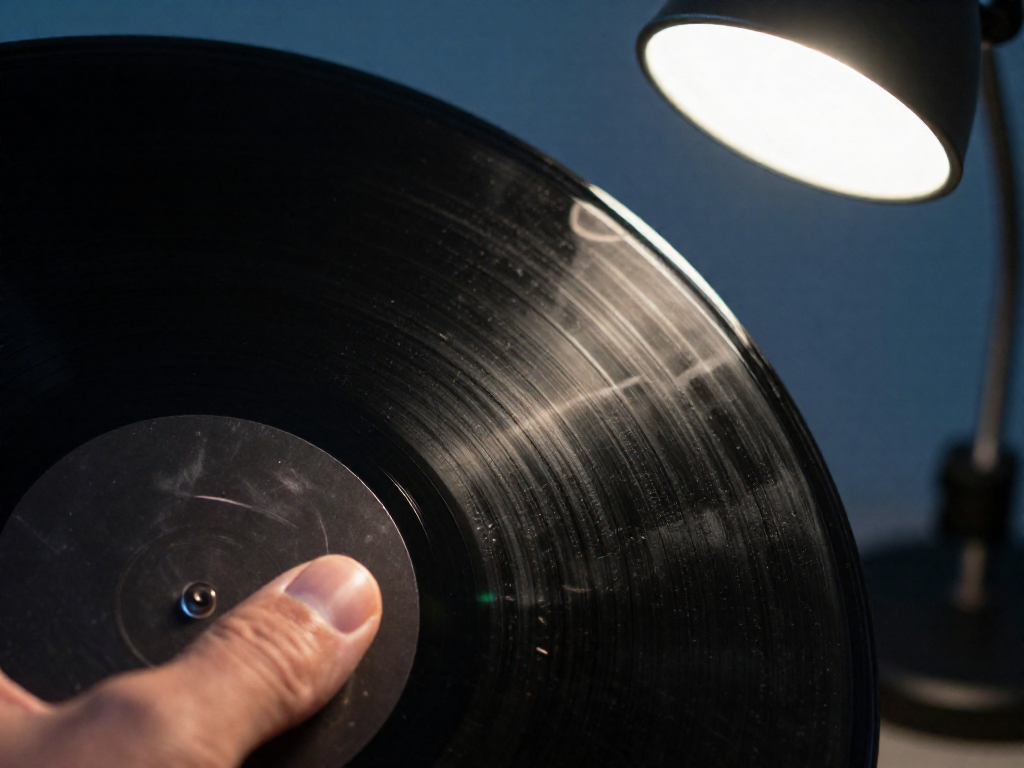
Before anything goes in your cart, do a quick condition check. Slide the record out of the sleeve, hold it by the edges, and tilt it toward the light. You're hunting for deep scratches, scuffs, and warps — a warped disc won't sit flat and usually isn't worth the dollar.
The honest downsides: there's no way to listen before you buy, the selection is genuinely hit-or-miss, and shops in big cities get picked over fast by regulars. Treat it like the treasure hunt it is, and the misses won't sting.
Estate Sales & Garage Sales: Where Whole Collections Surface
Here's the secret thrift-store regulars don't always tell you: the biggest scores rarely come one record at a time. They come when somebody's entire lifelong collection lands on a folding table all at once. Estate sales are the holy grail for this. When a household gets cleared out, that means decades of carefully bought albums—often a complete run of someone's favorite era—dumped into boxes and priced to move.
To find them, start with EstateSales.net and Craigslist (check the "garage & moving sales" listings). Search a few days ahead and look for any mention of "records," "LPs," or "music." Timing is everything:
- Arrive early on day one if you want first pick of the rare stuff before other diggers swoop in.
- Show up on the last day if you want the deals. Sellers slash prices to clear out, and it's not unusual to grab a whole box of records for a few bucks—sometimes pennies each—because they just don't want to haul it away.
Garage sales work the same way, only friendlier. The owner usually isn't a collector; they just want the clutter gone. That's your opening to negotiate a bundle. Offer a flat price for the whole crate instead of haggling record by record—most folks will happily say yes.
One word of caution before you hand over cash: inspect for storage damage. Records stashed in basements, attics, or garages can suffer. Watch for a musty mildew smell, water rings on the sleeves, and heat-warped vinyl that won't sit flat. A quick sniff and a tilt toward the light saves you from bringing home unplayable discs—no matter how cheap they were.
Dollar Bins & Record Store Cheap Crates
Here's a secret that surprises a lot of newcomers: you don't have to skip the "real" record stores to dig cheap. Nearly every shop—even the ones with the pricey rarities locked behind glass—keeps a humble $1–$3 bin somewhere near the door or stashed on the floor. It's the spot where overstock, duplicates, and "didn't quite sell" records go to find a new home, and it's pure gold for budget hunters.
These crates won't usually cough up a mint first-pressing, but that's not the point. They're perfect for filling gaps in a genre you're just getting into, grabbing goofy party records, or snagging that one album you've wanted since middle school without thinking twice about the cost.
A few easy moves to dig smarter:
- Ask the staff when the cheap bins get restocked, or when they clear out overstock. Many shops cycle them weekly, and friendly regulars get the heads-up first.
- Check condition realistically. Dollar-bin records are typically playable but cosmetically rough—a few sleeve dings or surface marks. For casual spins, that's totally fine.
- Pull the vinyl out and tilt it toward the light. Light hairlines are normal; deep scratches or warps are your cue to pass.
No expertise required—just curiosity and a willingness to flip through a crate.
Flea Markets, Swap Meets & Record Fairs
There's a sweet spot between the chaos of a thrift store and the polish of a record shop, and you'll find it at flea markets, swap meets, and record fairs. These are semi-curated hunting grounds—someone has already done a little sorting, but the prices haven't ballooned. Best of all, haggling isn't just allowed here; it's expected.
How to work the flea market and swap meet circuit:
- Bring cash and small bills. Many sellers don't take cards, and it's hard to talk someone down from $5 when all you've got is a twenty. A tote bag saves your arms and your crates.
- Bundle to save. A seller asking $4 a record will often do five for $15. Stacking your finds is the easiest way to drop your per-record cost without feeling like a hard negotiator.
- Go late. In the final hour, sellers would rather cut a deal than haul boxes back home. That's when "make me an offer" actually works.
Record fairs are a slightly different animal. Expect to pay a bit more—often $5 to $15 for solid used titles—but you're trading a little money for a huge selection and vendors who genuinely know their stuff. Don't be shy about asking questions; most are thrilled to talk shop with a newcomer.
Online Sources for Cheap Vinyl (Without Shipping Eating Your Savings)
Here's the catch with buying records online: a $3 record isn't really $3 if shipping tacks on another $5. The trick is shopping smart so postage doesn't quietly double your bill.
Start with Discogs when you're chasing a specific title. It's the giant database every collector eventually leans on. Search the album, then sort listings by price and always glance at the seller's rating and number of sales before you commit. A flawless price from a seller with three transactions is worth a second look.
Lean on local pickup to skip shipping entirely. eBay multi-record "lots" can be a steal, and Facebook Marketplace often has folks unloading whole crates for cheap. When you can grab them in person, shipping costs vanish—and you can eyeball the condition yourself.
Combine your buys. If one Discogs or eBay seller has several records you want, message them or use the cart to bundle everything into one shipment. You'll pay postage once instead of five times.
Watch the math on single-LP listings. A lone record where shipping equals or beats the price is rarely a deal—keep scrolling.
Learn the grading shorthand before you click buy: M (Mint), NM (Near Mint), VG+ (Very Good Plus), and VG (Very Good). Anything below VG often means surface noise, so read the seller's notes carefully. A little fluency here saves you from sad-sounding surprises.
How to Spot a Good Record in the Wild
Before you hand over your dollar, give the record a quick once-over. You don't need fancy gear or a trained ear—just a little daylight and these five habits.
- Tilt the vinyl toward a light source. Faint, hairline surface marks are usually harmless and play through fine. What you're hunting for are deep scratches you can catch with a fingernail—those tend to cause skips and pops.
- Look down the record edge-on, like sighting a pool cue. The surface should be flat and level. A visible dip or wave means a warp, which can make the needle ride unevenly. Slight warps sometimes still play; pronounced ones rarely do.
- Check the inner label. Light spindle marks (those little scuffs around the center hole) are normal and just mean the record got played. Water stains, rippling, or mildew smell are bigger red flags that the vinyl may have suffered too.
- Don't sweat the sleeve too much. If you're buying to listen, a ringworn or split jacket barely matters. Sleeve condition only really moves the needle when you're collecting for value.
- At a dollar? Just take the gamble. Half the fun is the surprise. For pocket change, a worn-but-playable find beats overthinking it every time.
Source Ranking: Best Value at a Glance
Here's the cheat sheet to save before your next hunt. No single spot wins on everything, so match the source to your mood and your wallet.
| Source | Typical Price | Selection | Condition | Effort |
|---|---|---|---|---|
| Thrift stores | $1–$3 | Hit or miss | Rough to decent | Low |
| Estate sales | $1–$5 | Best volume (whole collections) | Often excellent | Medium |
| Dollar bins & cheap crates | $1–$5 | Reliable, always stocked | Playable, well-loved | Low |
| Flea markets & fairs | $2–$10 | Wide variety | Varies by seller | Medium |
| Online (Discogs, eBay) | $5–$15+ | Best for specific wants | Graded/described | Low (but watch shipping) |
Quick takeaways:
- Cheapest: thrift stores
- Best volume: estate sales
- Most reliable: dollar bins
- Best for a specific title: online
Your weekend route: Hit estate sales first thing Saturday (early birds get the gems), swing by a couple of thrift stores mid-morning, then end at a local shop's dollar crate. One loop, a full crate, and rarely more than $20 spent.
FAQ
Where is the cheapest place to buy vinyl records?
Your best bets for rock-bottom prices are thrift stores (Goodwill, Salvation Army, local charity shops), estate sales, garage sales, and flea markets, where records often run $1–$3 each. Library book sales and church rummage sales are sleeper hits too. Online, you'll pay more once shipping is added, but Discogs and local Facebook Marketplace listings can still beat retail. The trade-off is simple: digging through bins in person takes time but rewards you with the lowest prices and the thrill of the hunt.
How much should a used record cost at a thrift store?
At most thrift stores you'll see used LPs priced between $1 and $5, with $2–$3 being the sweet spot for common titles. Genuinely collectible or sought-after pressings are sometimes pulled and priced higher, but the everyday rock, pop, jazz, and easy-listening records that fill the bins should stay cheap. If a generic, scuffed record is marked up to $10 or more, it's usually fine to pass and keep digging — there's almost always another copy somewhere down the road.
Is it worth buying cheap used vinyl?
Absolutely — buying cheap used vinyl is one of the most affordable ways to build a collection and rediscover the music you grew up with. A $2 record that plays well gives you the warm, crackly listening experience that's the whole point. Just go in with realistic expectations: inspect each record before you buy, accept that some bargain finds will have surface noise, and treat the occasional dud as the small cost of treasure hunting. The wins easily outweigh the misses.
How do I know if a used record is in good condition?
Slide the record out and tilt it under good light. You want a glossy black surface; look for deep scratches you can catch with a fingernail (those cause skips), heavy scuffs, or a hazy gray film. Check that the disc isn't warped by sighting along its edge — slight warps usually still play, severe ones won't. A few light surface marks are normal and often just add minor crackle. Don't forget the label and spindle hole, and give the sleeve a quick check for mold or a strong musty smell, which can transfer to the vinyl.
Can you find valuable records at thrift stores?
Yes, though it's the exception rather than the rule, and that's part of the fun. Original pressings, first editions, and out-of-print titles do turn up in donation bins because sellers often don't know what they have. Look for clues like older labels, jazz and soul on respected labels, and clean original sleeves. A quick search of the title on Discogs from your phone tells you what a pressing typically sells for. Even if you mostly find $2 keepers, the occasional sleeper find is real — just don't count on striking gold every trip.
What's the best day to thrift for vinyl?
Aim for weekday mornings shortly after a store opens, when fresh donations have just been put out and the crowds are thin. Many shops restock heavily early in the week, so Monday through Wednesday can be especially productive. It also pays to learn your local stores' restock and sale schedules — some run color-tag discount days. Going often beats going once: regular visits a couple times a week catch new arrivals before other diggers do, which matters far more than any single 'magic' day.
See also
- Beginner's Guide to Starting a Vinyl Collection on a Budget
- How to Clean Used Vinyl Records at Home
- Understanding Vinyl Record Grading and Condition
- Best Budget Turntables for New Collectors
- Most Valuable Records to Look For While Thrifting
Related articles
Troubleshooting a Turntable That Skips, Hums, or Drags
Why is your turntable skipping or sounding off? Diagnose speed, tracking, and grounding problems with simple, beginner-friendly fixes—no expensive gear needed.
Jun 27, 2026 · 11 min read
How to Store Cassette Tapes So They Last Another 30 Years
Learn how to store cassette tapes long-term. Simple tips on heat, humidity, magnetism, and case care to preserve your tape collection for decades.
Jun 27, 2026 · 9 min read
The Story Behind the 45 RPM Single and the Jukebox Era
Discover where the 45 RPM single and jukebox culture came from, why the little record changed music, and beginner tips for collecting 45s on a budget.
Jun 27, 2026 · 9 min read