Are Your Old Records Actually Worth Anything?
How do I find out if my records have value?
On this page
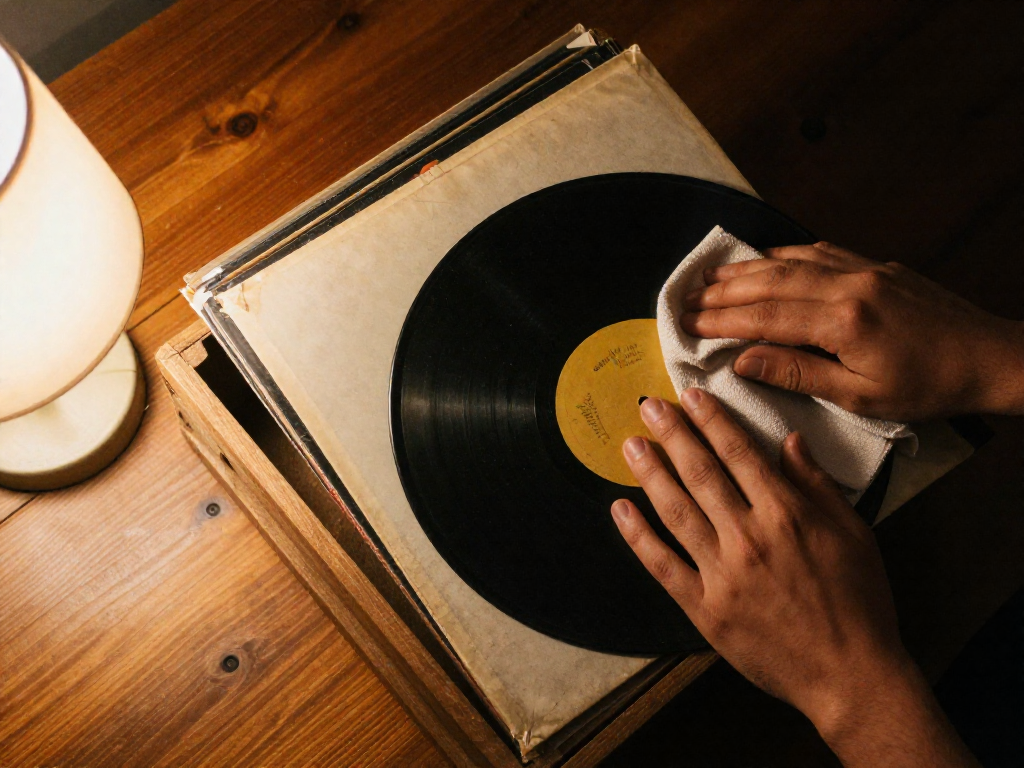
The Honest Truth: Most Records Are Common (And That's OK)
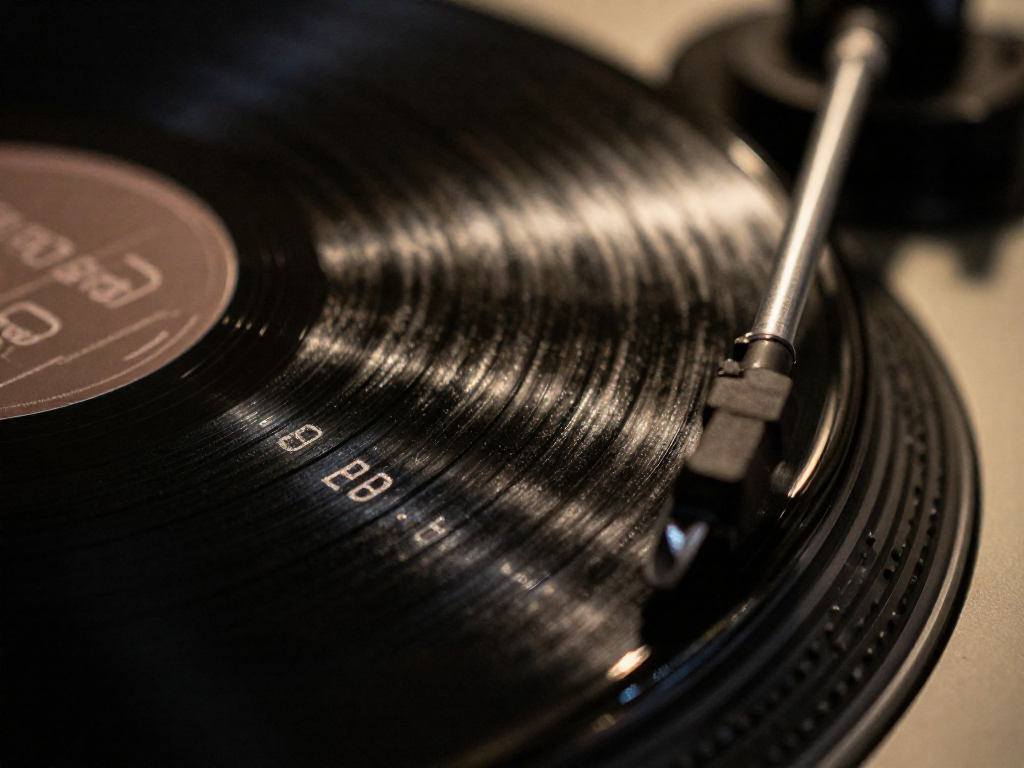
Let's get this out of the way first: that stack of records in your closet is probably not a retirement fund. And honestly? That's fine.
Here's why. The albums that everybody loved back in the day are the same ones that got pressed by the millions. Think Rumours, Thriller, or just about anything by The Eagles. They sold like crazy precisely because they were popular—which means copies are everywhere today, and prices stay low. A record being a household name usually works against its value, not for it.
What actually moves the needle is condition and the specific pressing, far more than how famous the artist is. This is why the same album can be a buck or a small fortune. A scratched, ring-worn copy of a common pressing might fetch $1 at a flea market. But a clean, early first pressing of that exact title—with the right label and matrix details—can sell for $80 or more.
So before you feel let down: even a "worthless" record still spins beautifully and carries memories no auction can price. The rest of this guide is about spotting the rare exceptions hiding in the pile.
Step 1: Identify the Exact Pressing
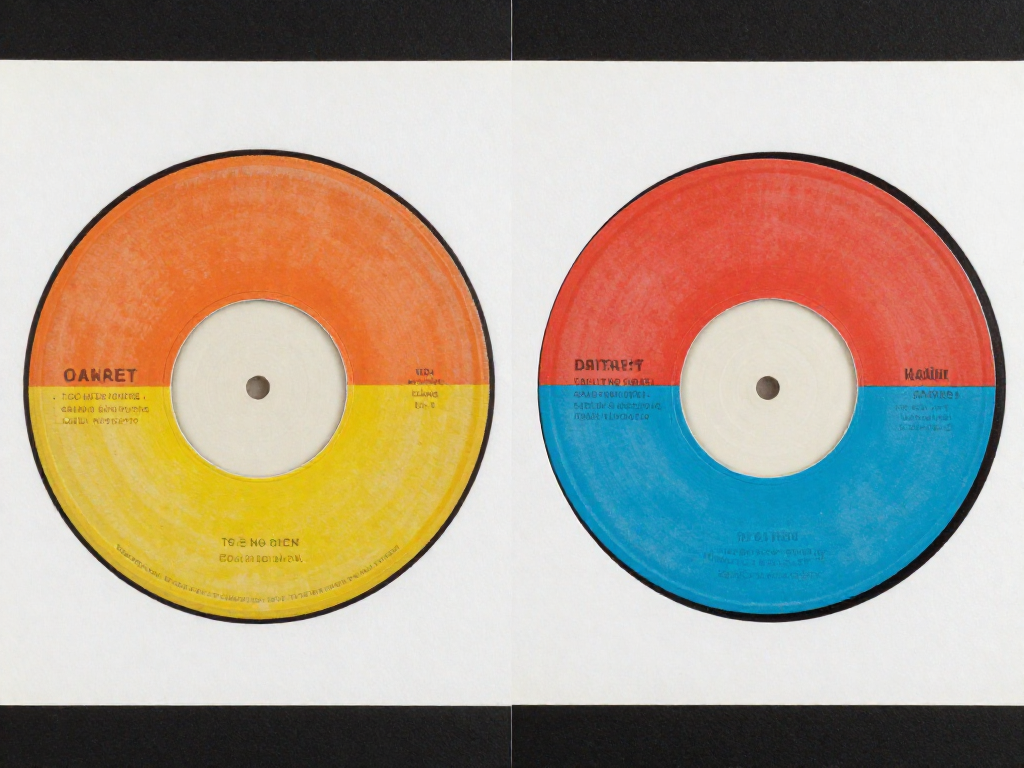
Here's the thing that trips up almost everyone: two copies of the same album can be worth $8 or $800, and the only difference is which printing run yours came from. So before you get excited (or disappointed), you need to pin down the exact pressing in your hands. Don't worry—this is detective work, not rocket science, and your dining room table is the perfect lab.
Start with the catalog number. This is the alphanumeric code (like "SD 19127" or "PCS 7027") printed on the spine, the back cover, and the record label itself. Write it down. If the numbers don't match across all three spots, that's a clue you may have a reissue with a swapped sleeve.
Now flip to the dead wax. That smooth, shiny ring between the last groove and the center label is called the runout (or matrix). Tilt the record under a lamp and you'll see numbers and letters lightly etched or stamped there. These matrix codes are the closest thing a record has to a fingerprint, and they're how collectors separate an original first pressing from a later repress that looks identical on the outside.
First pressing or reissue? A few tells: original label designs and logos changed over the years, so a label style that didn't exist yet is a dead giveaway for a reissue. Check the record company's address on the label and sleeve—companies moved, and the address narrows down the era.
Where it was pressed matters too. US, UK, and Japanese pressings of the same title can have very different values, with Japanese pressings often prized for their quiet vinyl and obi strips.
Finally, watch for the special stuff: promo copies (often marked "Demonstration—Not for Sale"), colored vinyl, and genuine misprints can all carry a premium.
The fastest way to confirm everything? Type your catalog and matrix numbers into Discogs and match them against the listed versions. It's free, and it turns guesswork into a confident answer.
Step 2: Grade the Condition Honestly
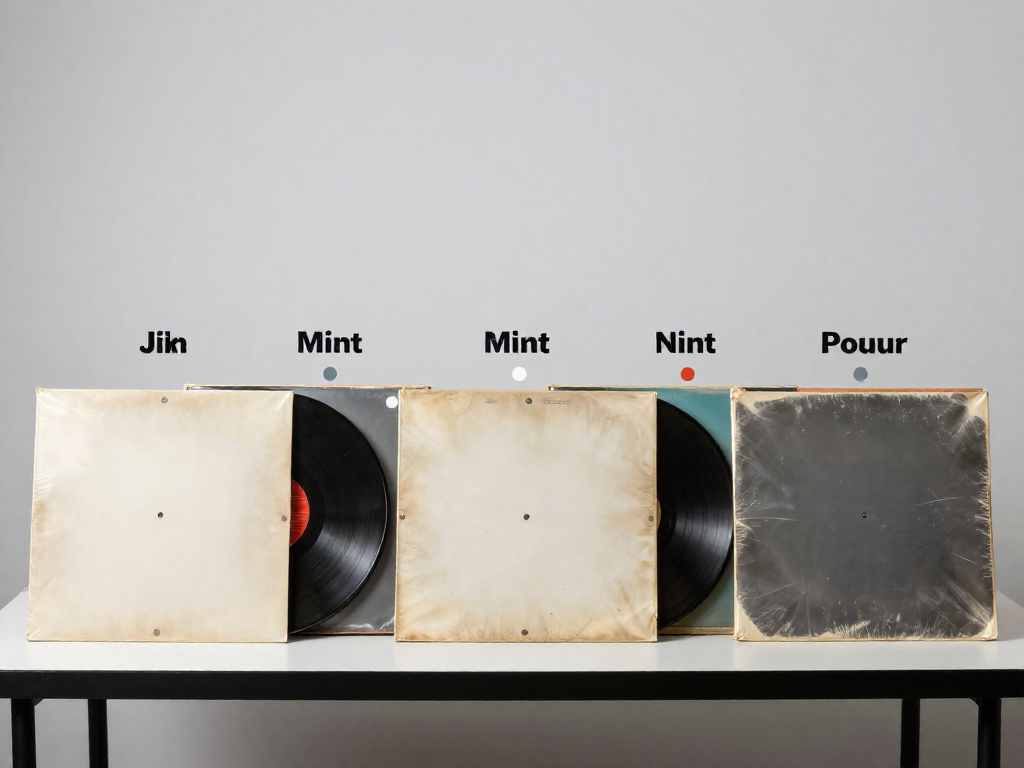
Here's the truth that trips up every new collector: condition is everything. The same record can be worth $40 or $4 depending on how it's held up over the decades. So before you get attached to a number, you need to grade your record honestly—and that means being your own toughest critic.
Most collectors use the Goldmine grading scale, the longtime standard in the record world. From best to worst, it runs:
- Mint (M) — flawless, basically untouched
- Near Mint (NM) — looks unplayed, maybe opened but pristine
- Very Good Plus (VG+) — light signs of handling, plays great
- Very Good (VG) — visible wear and surface noise you can hear
- Good (G) — plays through but noticeably rough
- Poor (P) — beat up, often unplayable
One key rule: grade the vinyl and the sleeve separately. A listing might read "VG+/VG," meaning a sharp-playing record in a more worn jacket. Buyers care about both.
To inspect the vinyl, tilt it under a bright light—daylight near a window works great. Look for scratches, scuffs, and dull spots from groove wear, then check for warps by sighting across the surface at eye level. For the sleeve, watch for ring wear, seam splits, and writing.
Why so picky? Because even light damage drops value sharply. A small scratch can knock a record down a full grade and cut its price in half.
When in doubt, grade down. Honest grading builds trust, and an over-graded record only leads to disappointed buyers and returns.
Step 3: Check Real Demand and Sold Prices
Here's the secret that separates wishful thinking from real money: a record is only worth what someone actually pays for it. Not what a hopeful seller lists it for—what changed hands. The good news? You can find this out in about ten minutes, for free, no appraiser required.
Start with Discogs. It's the closest thing the music world has to a universal catalog, and it's a collector's best friend. Search your album, then drill down to your exact pressing (this is where the work you did in Step 1 pays off). Each release page has a "Statistics" section showing how many people own it, how many want it, and—most importantly—its sale history with low, median, and high prices. That median number is your reality check.
Then cross-check eBay, the right way. Search your record, then apply the "Sold Items" filter. This is non-negotiable. Active listings show you what dreamers hope to get; sold listings show you what buyers actually paid. You'll often find that the $80 "rare" copy someone's listing sells, in reality, for $12.
Read the gap between asking and sold prices. If twenty copies are listed at $50 but the sold history shows them moving at $15, ignore the $50 fantasy. Optimistic sellers can sit on a record for years. The sold price is the truth.
Gauge demand, not just price. Compare how many copies are for sale against how often they actually sell. A record with fifty copies listed and rare sales is common and slow-moving. One with few copies and steady sales is genuinely wanted.
For most casual collections, these free tools will tell you everything a paid appraisal would—and you won't spend a dime to learn your shoebox of LPs is worth a nice dinner out.
Red Flags and Hidden Gems to Watch For
Once you've graded your stack, a few quick patterns help you sort the "meh" from the "wait, maybe." No magnifying glass required—just a good eye.
Probably not worth much (and that's fine):
- Scratched greatest-hits compilations—labels pressed millions of these
- Warped records that won't lie flat (heat damage tanks value fast)
- Water-stained or moldy sleeves, even if the vinyl is okay
- Super-common 70s and 80s mega-sellers like Saturday Night Fever or Thriller—great music, but everyone's parents owned one
Worth a closer look:
- Original first pressings (check matrix numbers in the runout groove, not just the year)
- Still-sealed albums with intact shrink and hype stickers
- Small-run indie, punk, and hardcore records—low print numbers mean scarcity
- Certain jazz (early Blue Note) and deep soul/funk, which collectors chase hard
Here's the counterintuitive part: niche genres often beat the "classics." A no-name punk 7" that pressed 500 copies can outsell a beloved arena-rock LP that sold ten million. Rarity plus demand drives price—not how famous the band is.
When to get a second opinion: if a record looks unusually old, has odd label variations, or you're seeing wild price swings online, take it to a reputable local shop. A good owner will happily eyeball it—and won't pressure you to sell on the spot.
What to Do Once You Know the Value
So you've done the detective work—now what? You've got a few solid paths forward.
If you're selling:
- Discogs Marketplace is the go-to for matching your exact pressing to buyers who want it. You set the price based on those sold listings you already checked.
- eBay works well for rarer titles and reaches a huge audience, though fees and shipping eat into your take.
- Local record shops are the fastest, lowest-hassle option—just keep expectations realistic. They buy to resell, so a fair offer is usually 40–60% of what a record sells for online. That's not lowballing; it's how they keep the lights on.
- Record fairs are great for selling a stack at once and chatting with people who actually care.
If you're keeping them, protect the value you found. Slide each record into an anti-static inner sleeve, add an outer plastic sleeve, and store them upright—never stacked flat, which warps them—away from heat and sunlight.
And honestly? Sometimes the best move is the simplest one: give them a good cleaning, drop the needle, and just enjoy the music you grew up on.
See also
- How to Clean Vinyl Records Without Damaging Them
- Beginner's Guide to Starting a Vinyl Collection on a Budget
- The Best Way to Store and Display Your Records
- Cassette Tapes: Are They the Next Collectible Boom?
Related articles
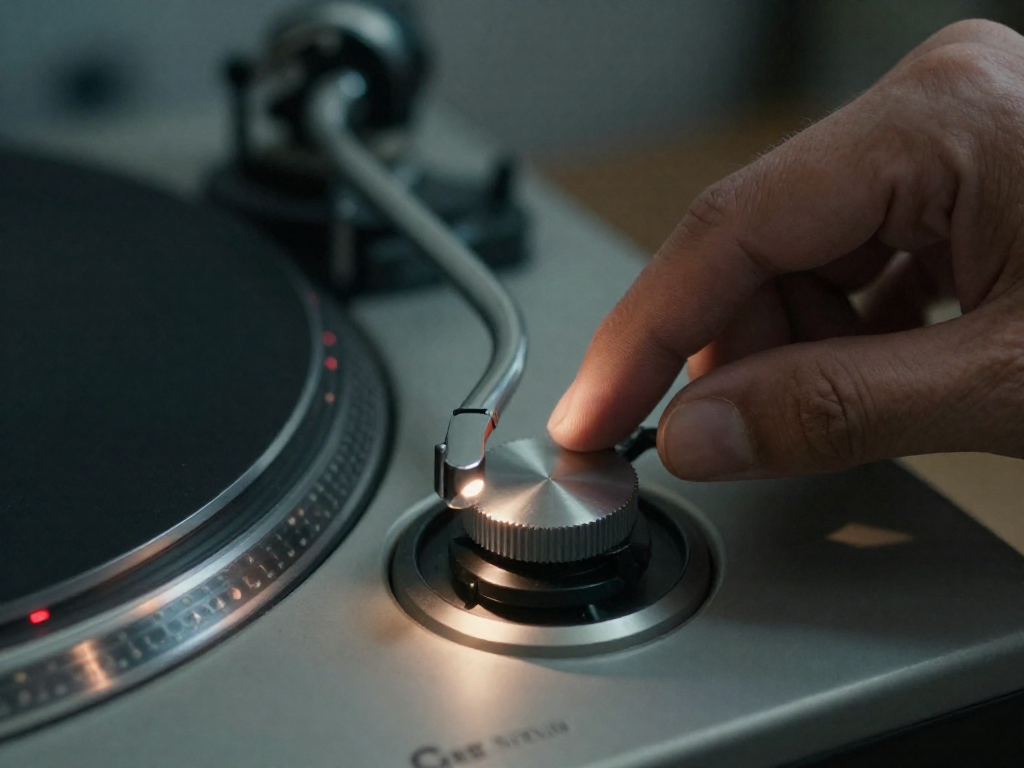
Troubleshooting a Turntable That Skips, Hums, or Drags
Why is your turntable skipping or sounding off? Diagnose speed, tracking, and grounding problems with simple, beginner-friendly fixes—no expensive gear needed.
Jun 27, 2026 · 11 min read
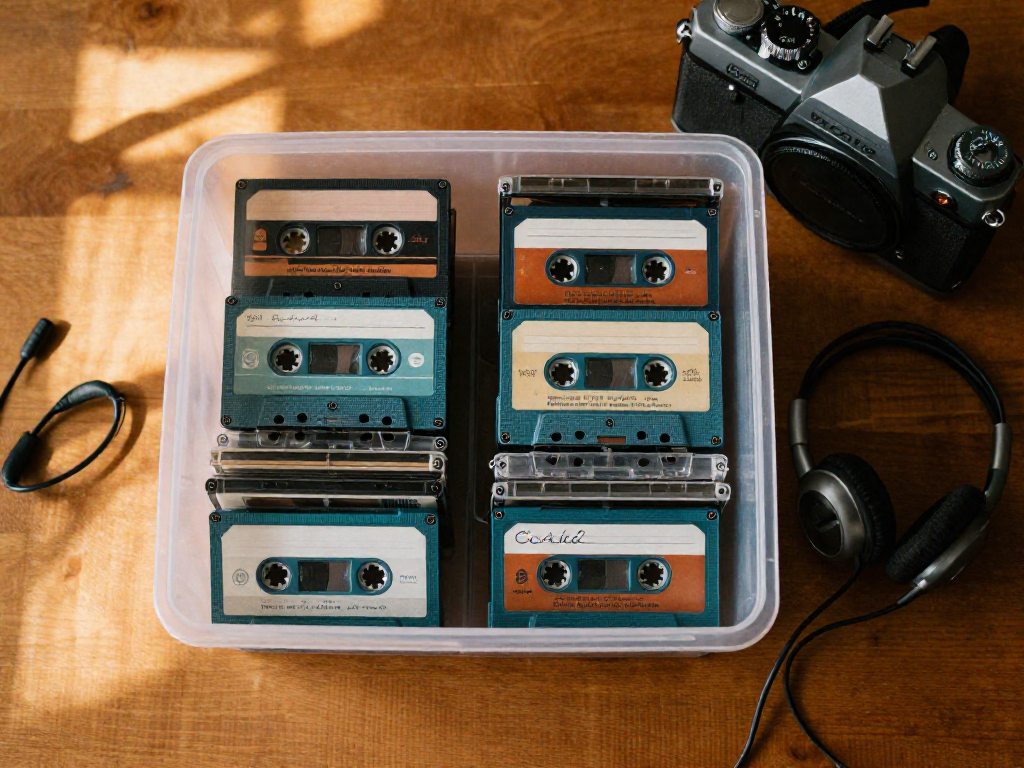
How to Store Cassette Tapes So They Last Another 30 Years
Learn how to store cassette tapes long-term. Simple tips on heat, humidity, magnetism, and case care to preserve your tape collection for decades.
Jun 27, 2026 · 9 min read
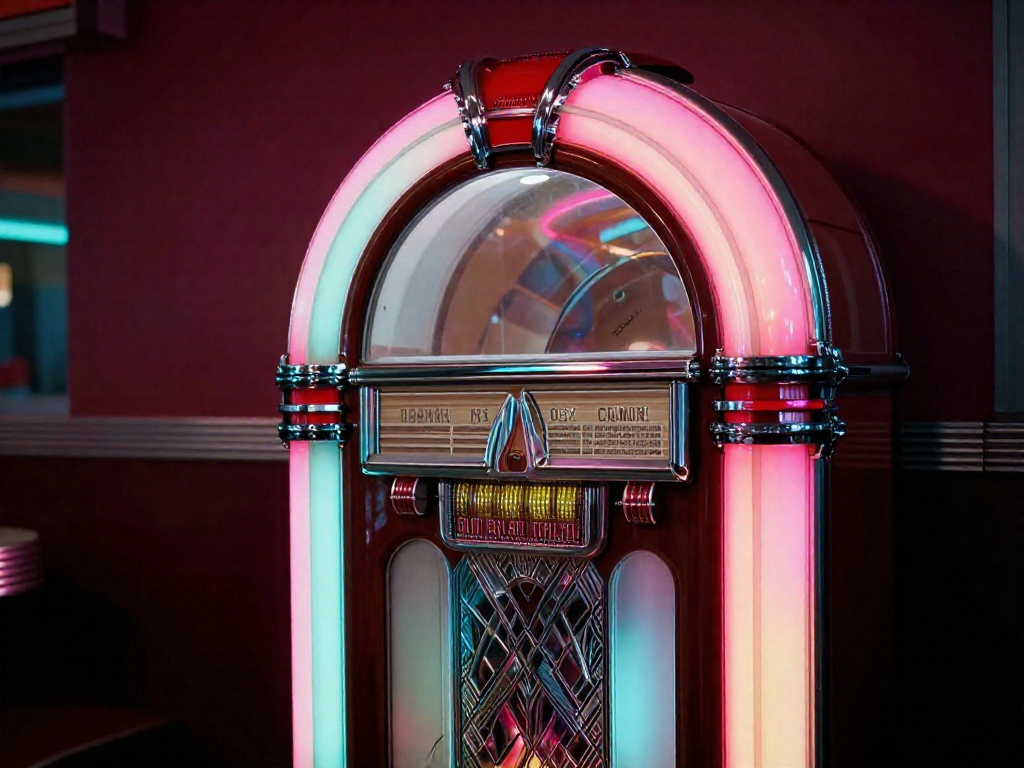
The Story Behind the 45 RPM Single and the Jukebox Era
Discover where the 45 RPM single and jukebox culture came from, why the little record changed music, and beginner tips for collecting 45s on a budget.
Jun 27, 2026 · 9 min read