How to Start a Vinyl Collection From Absolute Zero
How do I start collecting vinyl as a complete beginner?
On this page
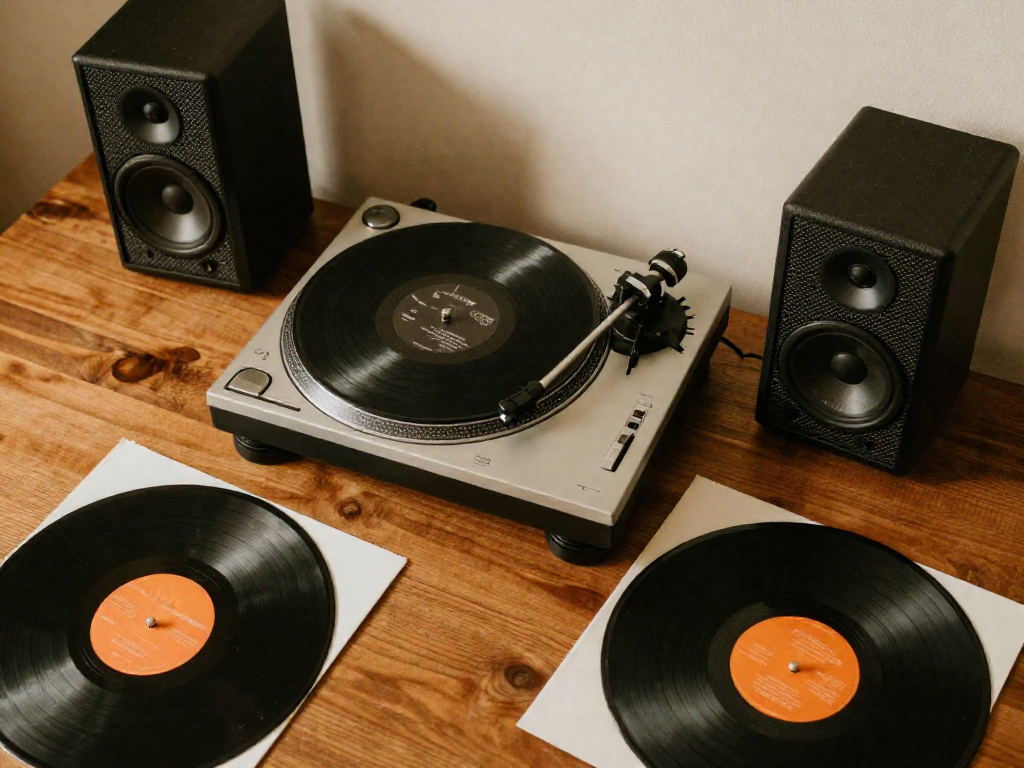
Why Vinyl Is Worth It (and Why Now Is a Great Time to Start)
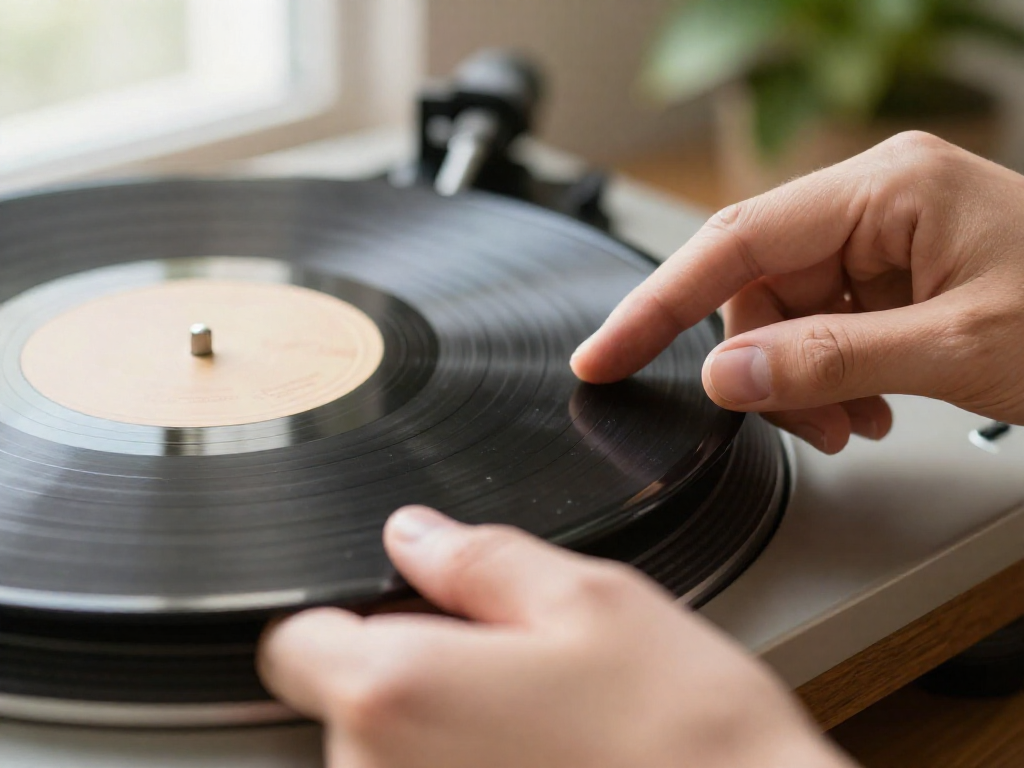
Let's be honest: you already feel the pull. Maybe it's the memory of flipping through your parents' records, or the satisfying thunk of a needle dropping into a groove. Streaming is convenient, but it can't give you that. Vinyl is a ritual — you choose the album, slide it from the sleeve, set it spinning, and actually sit with the music instead of skipping past it. That tactile, slow-down-and-listen experience is exactly what so many of us have been missing.
Here's the good news: there's never been an easier time to start. Vinyl sales have climbed every year since 2007 and outsold CDs in the U.S. in 2022, which means artists new and old are pressing records again. New titles are everywhere, used bins are full, and decent entry-level turntables are more affordable and beginner-friendly than they were a decade ago.
And no — you don't need to be an audiophile or have deep pockets. You don't need a wall of gear or rare first pressings to "do it right." The only rule that matters: start small. Grab a few albums you genuinely love, get a simple setup, and let your collection grow naturally from there.
Step 1: Buy Your First Turntable Without Overthinking It
Here's the secret nobody tells you when you're standing at the start line: there is no perfect first turntable, and you do not need one. You need a decent deck that plays records without chewing them up. That's it. Let's clear the fog.
The one term you actually need to understand: the preamp. A turntable's signal is too quiet to plug straight into most speakers — it needs a "phono preamp" to boost it. Some turntables have one built in (look for "built-in preamp" or a "PHONO/LINE" switch on the back). Others don't, meaning you'll need a receiver or a powered speaker that has a phono input. For your first setup, get a turntable with a built-in preamp. It's the difference between "plug in and play" and "why is nothing happening."
The one nonobvious warning: skip the cute suitcase players. You know the ones — the colorful all-in-one cases with built-in speakers, often sold for around $50. They look adorable and scream retro charm, but the cheap ones use heavy tracking force and low-quality needles that can actually wear down or scratch your records over time. Your grandma's old Beatles pressing deserves better. If you only remember one thing from this section, make it this.
Realistic budget: A solid beginner deck runs roughly $150–$300. That range gets you a properly counterweighted tonearm and a needle that treats your records kindly. You can spend less, but this is the sweet spot where quality jumps and regret drops.
New vs. used: New means a warranty and a fresh stylus — the safest bet if you're nervous. Used can be a fantastic deal, but check that the stylus isn't worn and the platter spins at a steady speed. If you can't test it, lean new.
Do you need separate speakers? Quick answer: not necessarily. Plenty of beginner turntables either include speakers or pair easily with affordable powered (active) speakers. Start simple, upgrade later — the music sounds great either way.
Step 2: Understand the Bare-Minimum Setup
Here's the part that trips up everybody: a turntable alone usually won't make sound. You need a tiny chain of gear working together. The good news? It's simpler than wiring up a VCR back in 1994.
The signal flows like this: turntable → preamp → speakers. The needle picks up a whisper-quiet signal from the groove, the preamp boosts it to normal listening volume, and the speakers play it. That's the whole story.
What a preamp actually does is amplify that faint "phono" signal so your speakers can use it. Some turntables have one built in — check the spec sheet or the back panel for a switch labeled PHONO/LINE. If it's there and set to LINE, you're covered and can skip buying a separate one. If your turntable only outputs PHONO and your speakers don't mention "phono input," you'll need a small standalone preamp (decent ones run about $20–$50).
The easiest shortcut is powered (also called "active") speakers. These have the amplifier built right in, so you plug the turntable straight into them — no separate receiver or stereo system needed. A solid pair lands around $100–$200 and saves you a closet full of components.
Setting it up takes about 15 minutes:
- Place the turntable on a flat, stable surface away from the speakers (to avoid vibration).
- Run the cable: turntable → preamp (if needed) → speakers.
- Plug everything into power, set any PHONO/LINE switch correctly.
- Drop a record, gently lower the needle, and turn it up.
That's it. No audiophile degree required.
Step 3: Choose Your First Records
Here's the secret no record-store snob will tell you: the "right" first record is one you already love. Forget about what's "collectible." Start with the album you sang along to in your bedroom, the one that played on a loop the summer after high school. Vinyl is about feeling, and nostalgia is the whole point.
New reissues vs. original pressings. As a beginner, lean toward new reissues. They're easy to find, usually sound great, and cost about $20–$35 for most popular titles. Original pressings can be magic, but they're a rabbit hole — condition varies wildly, prices jump, and you need a trained eye. Buy reissues now; chase originals once you know what you're doing.
Where to buy. You've got four solid lanes:
- Local record shops — the best starting point. You can hold the record, ask questions, and most owners genuinely love helping newcomers.
- Thrift stores and estate sales — cheap thrills, often $1–$5 a record, but inspect carefully since condition is a gamble.
- Discogs — a massive online marketplace with detailed listings and seller ratings; ideal once you know a specific title you want.
- Record fairs — fun, social, and great for digging through crates with fellow nostalgia nerds.
Reading condition grades. Sellers use a shorthand worth knowing so you don't get burned:
- M (Mint) — perfect, basically untouched. Rare for used records.
- NM / M- (Near Mint) — looks and plays almost like new. A safe sweet spot.
- VG+ (Very Good Plus) — light wear, minor surface marks, plays well. Great value for beginners.
- VG (Very Good) — visible wear and some audible noise. Fine for cheap copies of albums you just want to spin.
- Anything below VG (G, P) — skip unless it's a wall-hanger.
When buying online, read the seller's notes, not just the grade, and check feedback.
Set a per-record budget. Pick a number before you walk in — say $15 to $25 a record — and stick to it. Digging is addictive, and a "just one more" crate run adds up fast. A cap keeps collecting fun instead of stressful, which is exactly how it should feel.
Step 4: Care, Clean, and Store Your Records
Here's the good news: keeping records in great shape is mostly about a few easy habits, not expensive gear. A little care now means your collection still sounds crisp decades from now.
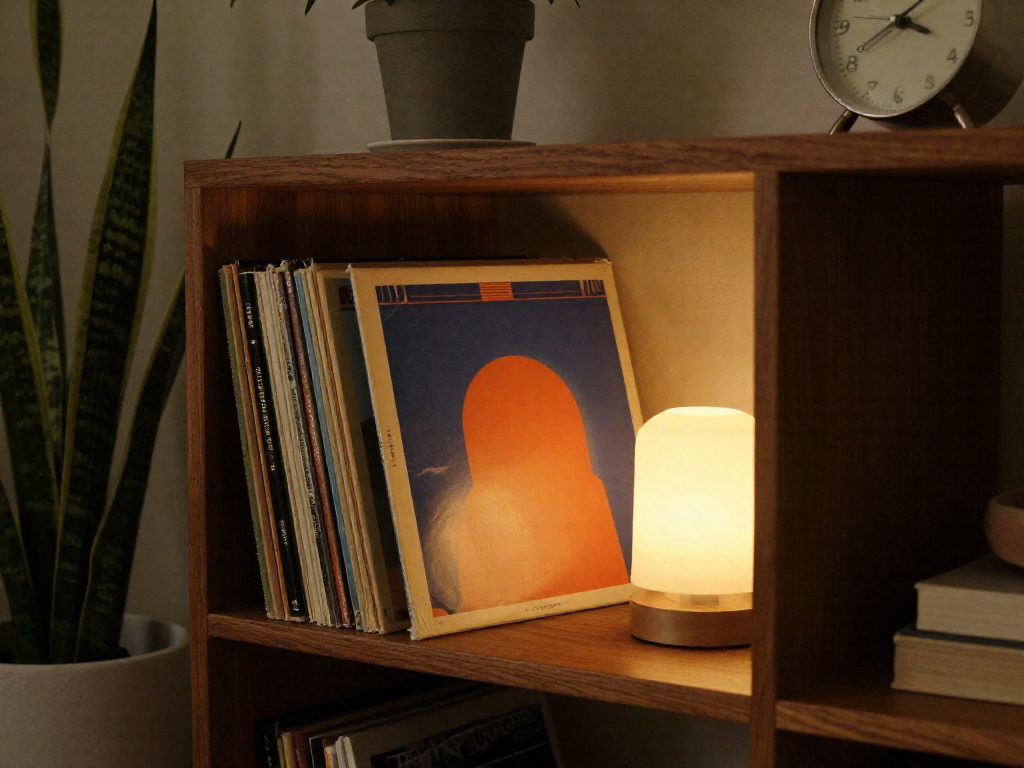
Store them standing up, always. Records should live vertically, like books on a shelf, never stacked in a pile. Stacking puts weight on the grooves and can warp the vinyl over time. A cheap cube shelf or a sturdy crate works perfectly to start.
Upgrade your sleeves — it's the best $15 you'll spend. Two layers matter here:
- Inner sleeves: Swap brittle paper sleeves for anti-static poly-lined ones. They cut down on micro-scratches every time you slide a record in or out. A pack of 50 runs about $10–$15.
- Outer sleeves: Clear plastic outer sleeves protect the jacket itself from ring wear and shelf scuffs. Roughly $0.20–$0.30 each, and they keep cover art looking sharp.
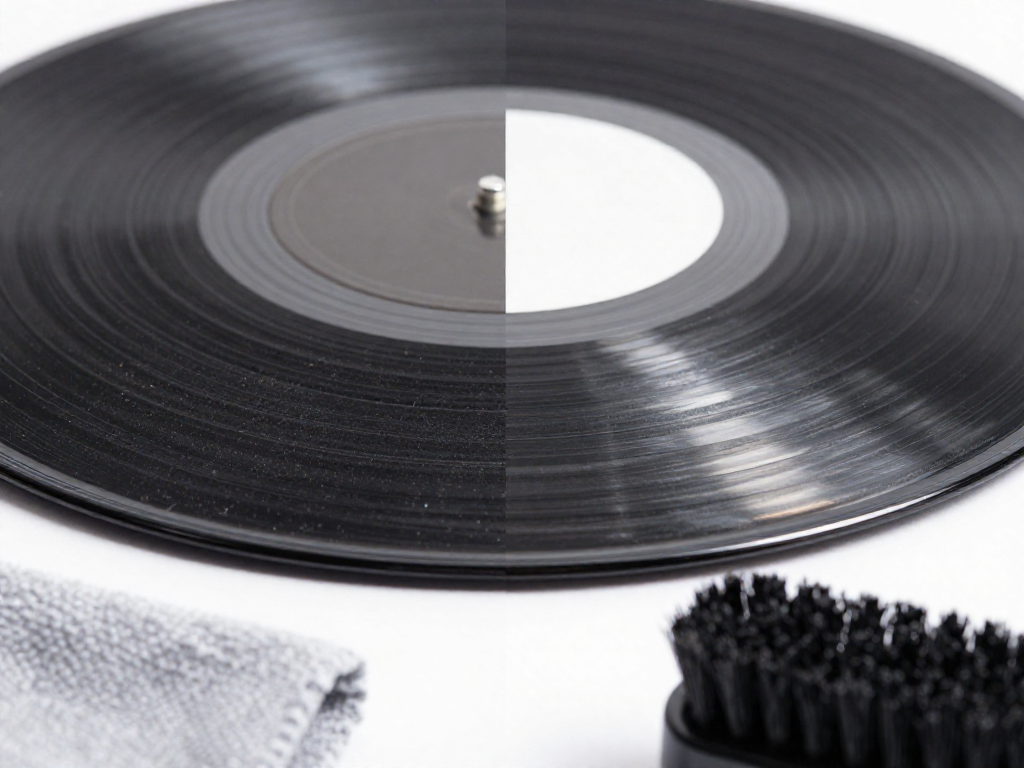
Give it a quick clean before the first spin. Even new records carry dust and factory residue. A carbon-fiber brush ($10–$20) swept gently along the grooves before each play removes loose debris. For thrifted or dusty used finds, a simple record-cleaning solution and a microfiber cloth do wonders.
Handle by the edges and label. Hold records by the outer edge and center label only — fingerprints leave oils that attract grime. And keep your collection away from radiators, sunny windows, and hot car trunks. Heat is vinyl's worst enemy; it warps records faster than anything else.
Build these habits early and "care" becomes second nature, not a chore.
Step 5: Build Your First Shelf
Here's the fun part—the moment your records stop living in a milk crate on the floor and start looking like a collection.
Storage that just works. You don't need a fancy media console. The internet's favorite starter shelf is the IKEA Kallax (the old Expedit's successor), because its 13-inch cubbies fit LPs perfectly with a little breathing room. A single 2x2 unit runs around $50–70 and holds a few hundred records. No IKEA nearby? Any sturdy cube shelf with roughly 13-inch openings will do. One rule: store records vertically, like books. Stacking them flat puts weight on the bottom sleeves and warps them over time.
Organize however makes you smile. Alphabetical is easy to search. By genre feels like your own little record store. Or go by vibe—Sunday morning coffee records here, Friday night ones there. There's no wrong answer.
Show off the covers. Album art was meant to be seen. Grab a few $10–15 clear acrylic frame stands or wall ledges and rotate your favorites like gallery pieces.
Expanding your gear? Wait until you've outgrown your setup, not before. A better cartridge or a real shelf speaker can come later. For now, enjoy the shelf you built.
Beginner Mistakes to Avoid
Every new collector trips over a few of these. Save yourself the hassle:
- Grabbing a cheap suitcase player first. Those all-in-one briefcase players look charming, but the heavy tonearms and ceramic needles can quietly scratch your records over time. A modest entry-level turntable treats your vinyl far better.
- Stacking records flat. Pancaking LPs on top of each other warps them under their own weight. Store them upright, like books on a shelf.
- Overpaying for "rare" records you don't love. Chasing a $60 pressing you'll never play is how budgets vanish. Buy music you actually want to hear first.
- Skipping sleeves. A few cents for paper inner sleeves and plastic outers prevents scuffs and ring wear. It's the cheapest protection you'll ever buy.
- Buying gear before buying music. Fancy upgrades can wait. Get a working setup, fill a crate with records you love, then improve from there.
FAQ
How much does it cost to start a vinyl collection?
You can get rolling for around $150–$250 total. A solid entry-level turntable with a built-in preamp (think Audio-Technica AT-LP60X or Fluance RT81) runs about $100–$250, and used records at shops, flea markets, and garage sales often go for $1–$10 each. You don't need audiophile gear to start — buy a decent deck, grab a handful of albums you already love, and grow from there. The hobby scales to whatever budget you're comfortable with.
Do I need a special preamp for my turntable?
Only if your turntable doesn't already have one built in. Records need a 'phono' preamp to boost the signal and apply RIAA equalization before it reaches your speakers. Many beginner turntables (like the Audio-Technica AT-LP60X) include one, so you can plug straight into powered speakers or a soundbar. If your turntable lacks it, you'll need either a receiver with a 'PHONO' input or a standalone preamp, which start around $20–$50. Check your turntable's spec sheet — if it lists 'built-in phono preamp,' you're set.
Are suitcase record players bad for vinyl?
They can be, and they're worth approaching with caution. Those cute all-in-one suitcase players (Crosley-style) often use heavy tracking forces and cheap ceramic cartridges that ride hard in the groove, which can wear out records over many plays. They're fine for the occasional spin or as a gift, but if you care about your records long-term, a proper entry-level turntable with a replaceable stylus protects your collection far better — and usually sounds noticeably cleaner.
Should I buy new reissues or original pressings?
For a beginner, start with reissues. Modern reissues are affordable (often $20–$35 new), play cleanly, and let you build a collection without hunting or overpaying. Original pressings can sound wonderful and carry real history, but condition varies wildly and prices climb fast for sought-after titles. Once you know what you love and can grade a used record's condition, chasing originals becomes a fun next step rather than a risky first one.
Where is the best place to buy records as a beginner?
Your local independent record shop is the best starting point — staff are usually happy to help, and you can inspect records in person. Beyond that, try used-media stores, flea markets, estate sales, and thrift shops for cheap finds. Online, Discogs is excellent for specific titles with seller condition grades, and Record Store Day (every April) is great for new releases. Always check the vinyl for deep scratches and warps, and peek at the sleeve and label condition before buying.
How do I clean a used record before playing it?
Before the first spin, give a thrifted record a gentle clean. Wipe the surface with a carbon-fiber brush following the grooves in a circular motion to lift loose dust. For grime, mix a little distilled water with a drop of dish soap (or use a dedicated record-cleaning solution), apply with a soft microfiber cloth moving with the grooves — never across them — then rinse with distilled water and let it air-dry on a rack. Keep all liquid off the center label. A clean record sounds better and is gentler on your stylus.
See also
- Best Affordable Turntables for Beginners
- How to Read Vinyl Condition Grades Like a Pro
- The Vinyl Revival: A Short History of the Comeback
- Thrifting Vinyl: How to Spot Hidden Gems
- Cassette Collecting for Beginners
Related articles
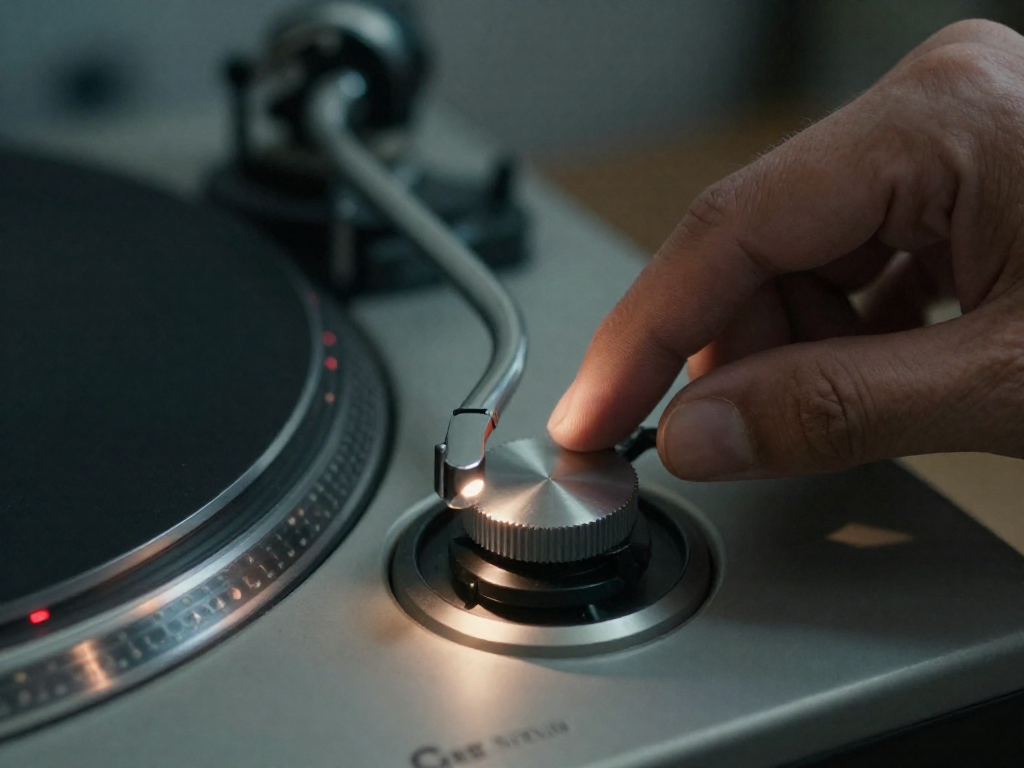
Troubleshooting a Turntable That Skips, Hums, or Drags
Why is your turntable skipping or sounding off? Diagnose speed, tracking, and grounding problems with simple, beginner-friendly fixes—no expensive gear needed.
Jun 27, 2026 · 11 min read
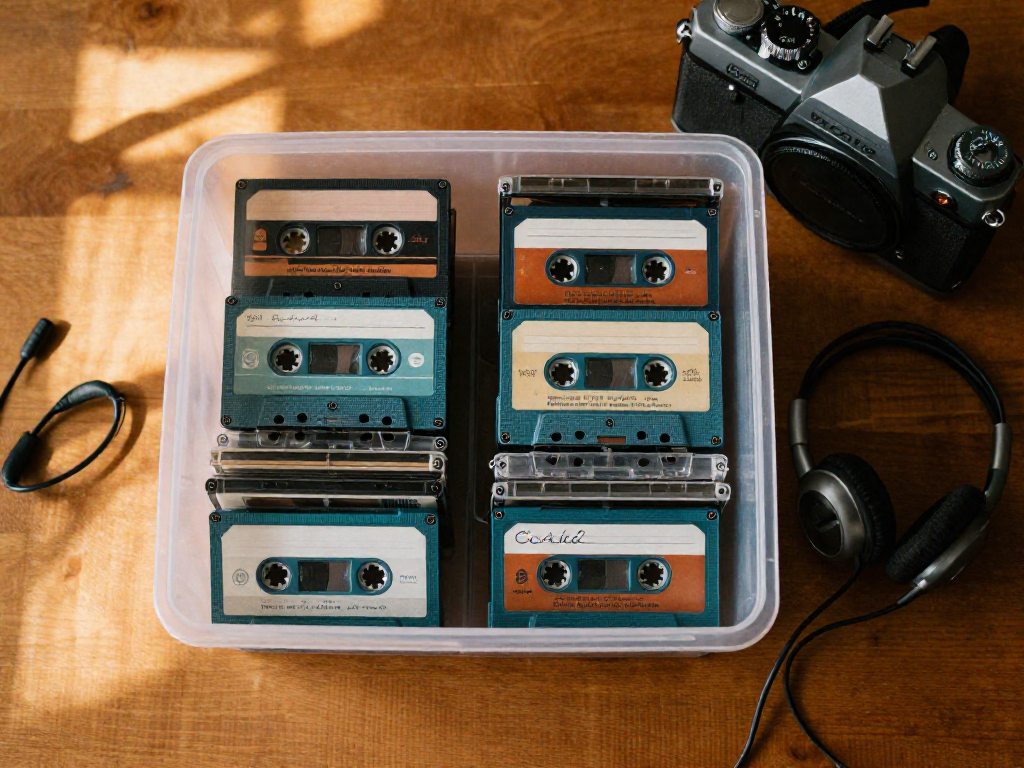
How to Store Cassette Tapes So They Last Another 30 Years
Learn how to store cassette tapes long-term. Simple tips on heat, humidity, magnetism, and case care to preserve your tape collection for decades.
Jun 27, 2026 · 9 min read
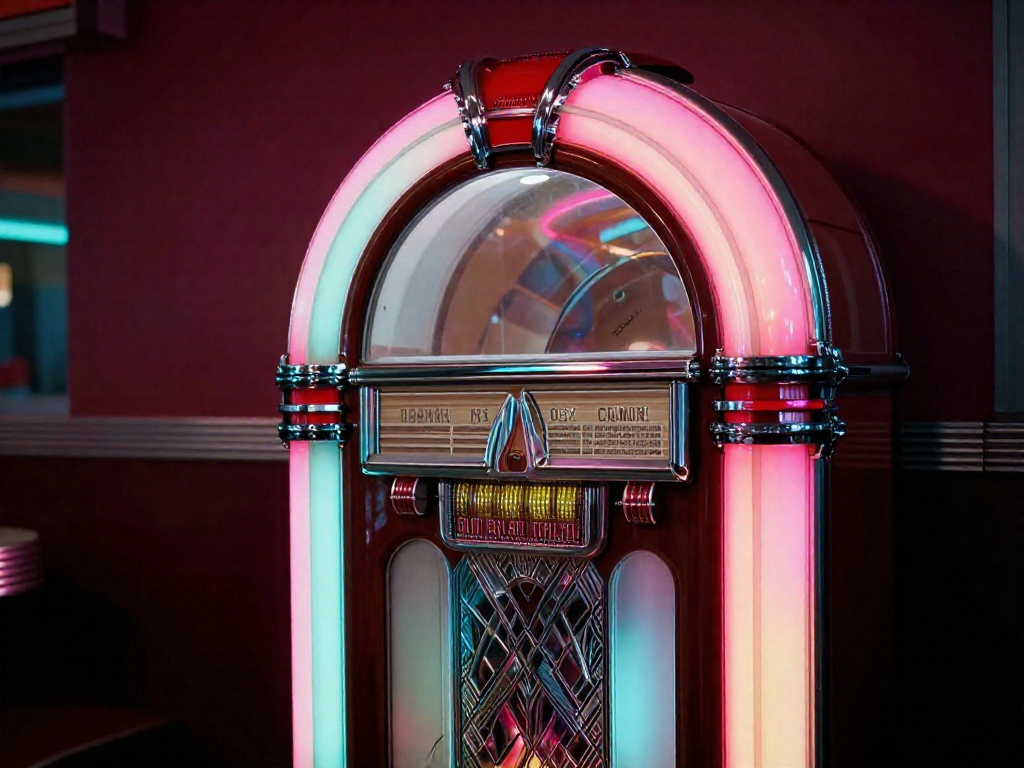
The Story Behind the 45 RPM Single and the Jukebox Era
Discover where the 45 RPM single and jukebox culture came from, why the little record changed music, and beginner tips for collecting 45s on a budget.
Jun 27, 2026 · 9 min read