VHS Is Cool Again: A Beginner's Guide to Collecting Tapes
How do I start collecting VHS tapes?
On this page
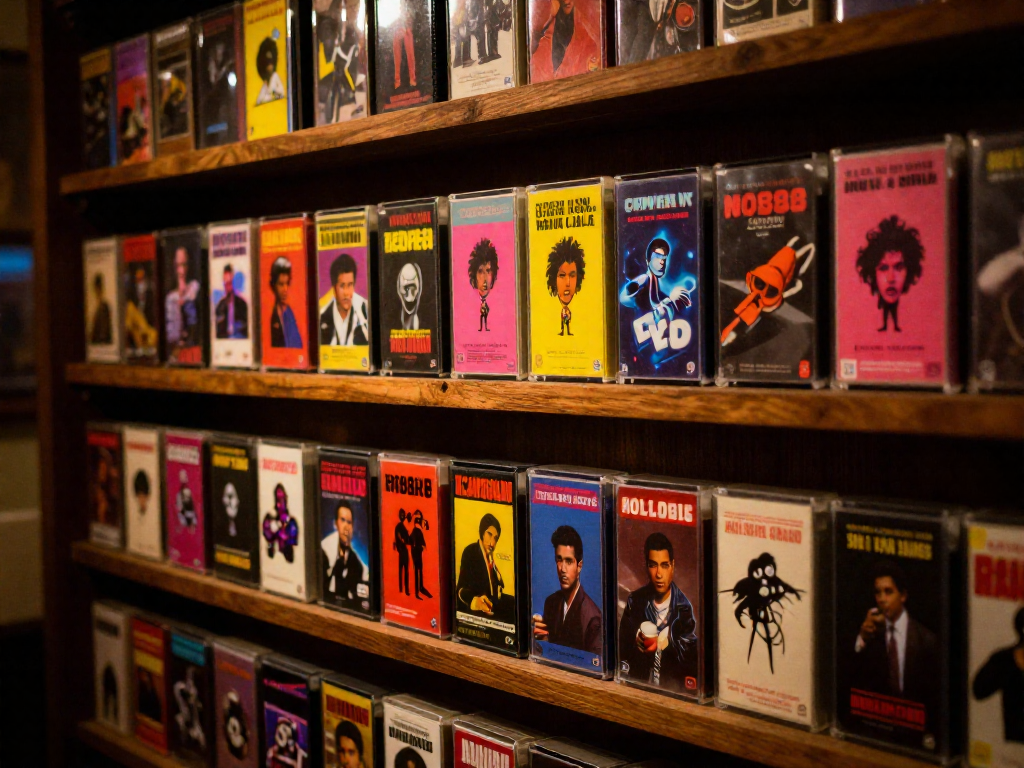
Why VHS Is Suddenly Cool Again
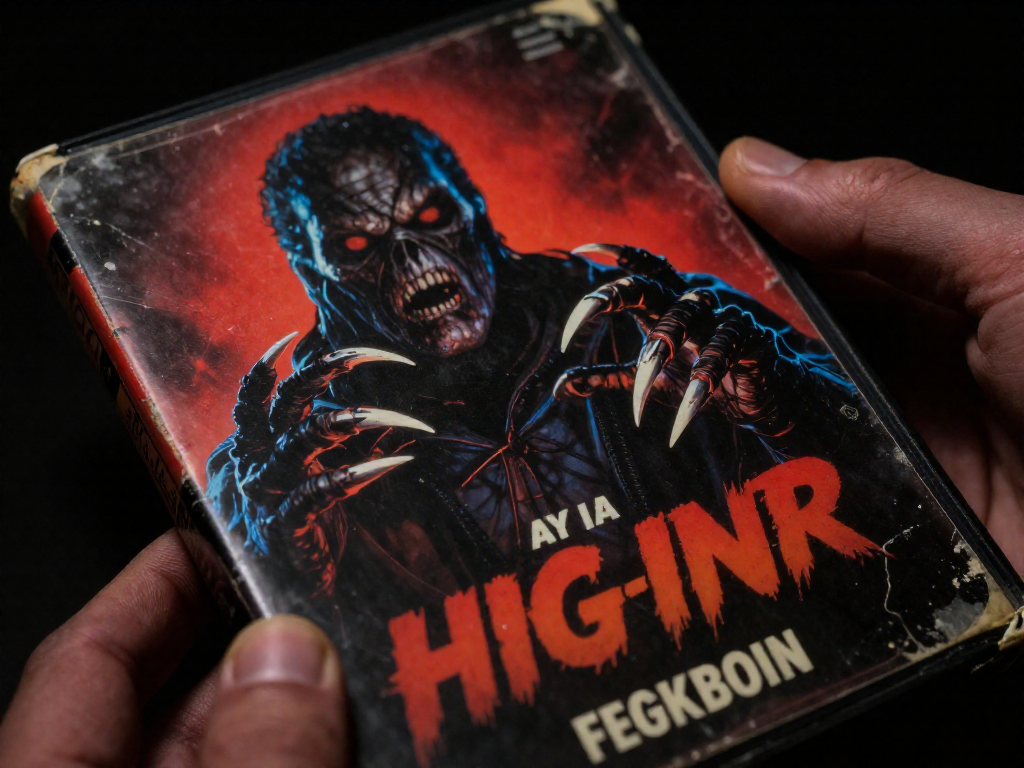
If you've felt the urge to dig your old tapes out of the garage lately, you're not alone. VHS is having a genuine moment, and the reasons probably feel familiar.
A lot of it comes down to nostalgia. For those of us who grew up in the '80s and '90s, slotting a tape into the VCR and hearing that mechanical clunk is wired straight into our childhoods. There's a warmth to the slightly soft, fuzzy picture that no 4K stream can fake. That analog look has even become its own aesthetic, popping up everywhere from music videos to indie horror.
Then there's the stuff itself. Big-box clamshell cases, hand-painted cover art, the satisfying weight of a tape in your hand — VHS is wonderfully tactile in a way digital files never will be. Half the fun is just flipping a box over and reading the back like you're standing in a Blockbuster aisle again.
Scarcity adds fuel to the fire. Major studios wound down VHS production in the mid-2000s (the last big Hollywood release on tape, A History of Violence, came in 2006), and millions of tapes got donated, dumped, or recycled in the DVD switch. What survived is finite, which makes the hunt feel like a real treasure hunt.
And honestly? A lot of people are just tired of streaming. Catalogs shuffle, titles vanish overnight, and you never actually own anything. A shelf of tapes you bought once and keep forever is a quiet rebellion against all that — and a surprisingly affordable one. Most tapes still cost a few dollars, which makes this one of the friendliest hobbies you can wander into.
What Makes a VHS Tape Worth Collecting
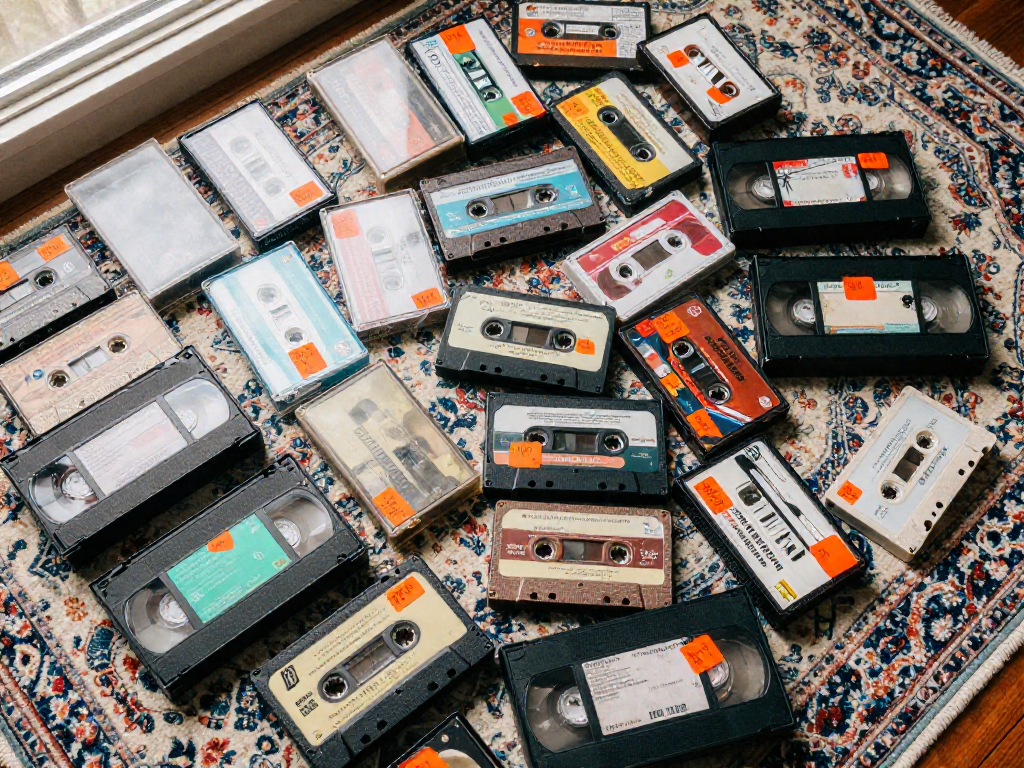
Here's the good news: you don't need a treasure-hunter's eye to start. But knowing what other collectors chase will help you spot the difference between a $2 thrift-store find and a tape worth holding onto.
Rarity and genre drive demand. Horror and cult titles are the heavyweights of the VHS world. Films that never got a wide DVD or streaming release — or that were pulled, banned, or printed in tiny runs — are the ones people hunt hardest. Obscure slashers, low-budget sci-fi, and weird direct-to-video oddities often outshine blockbuster hits, simply because the blockbusters were printed by the millions and are easy to find.
Cover art and packaging matter. Early-to-mid 1980s "big box" releases — those oversized clamshell or cardboard cases studios used before the standard slim case took over around the late '80s — are prized for their bold, lurid artwork. A tape with its original, undamaged slipcover and insert is far more desirable than a bare cassette in a generic sleeve.
Condition and "sealed vs. used." A factory-sealed tape (still in its original shrink-wrap) commands the highest prices, but those are rare and pricey. For beginners, a clean used copy is perfectly fine. Check for: intact cover art, no heavy water damage or mold, a label that isn't peeling, and a cassette shell without cracks. Tapes from rental stores often have stickers and wear — charming to some, a dealbreaker to others.
Don't ignore nostalgia value. This is the part that actually matters most when you're starting out. The tape you rented every weekend as a kid is worth more to you than any auction estimate. Build your shelf around films you love, not around flipping for profit.
Where to start: Hit local thrift stores, flea markets, garage sales, and estate sales, where most tapes run $1–$5. Online, browse eBay or Mercari to learn what titles trend — but buy what makes you smile first.
How to Start Your Collection on a Budget
Here's the good news: starting a VHS collection costs less than a night at the movies. The trick isn't grabbing every tape you see — it's picking a lane and hunting smart.
Pick a theme first
A pile of random tapes is just clutter, but a collection tells a story. Give yours a focus:
- Childhood favorites — the Disney clamshells, the Saturday-morning cartoons, the movie you wore out before school.
- A genre — '80s horror, kung fu, cheesy sci-fi, or made-for-TV thrillers.
- A studio or label — early Disney "white clamshell" releases, or cult labels like Vestron and Media Home Entertainment.
A theme keeps your shelf meaningful and your wallet in check, because you'll happily walk past the 90% of tapes that don't fit.
Where to look (and what to spend)
You don't need eBay bidding wars. The best deals are still out in the wild:
- Thrift stores — Goodwill and Salvation Army often shelve tapes at $1–$3, sometimes less on sale days.
- Yard and garage sales — frequently 25–50 cents each, and sellers love when you take a box off their hands.
- Flea markets — more selection and room to haggle; $1–$5 is typical.
- Estate sales — the jackpot for clean, well-kept tapes from one careful owner.
Online prices climb fast, so treat in-person hunting as your bread and butter.
Check before you buy
Tapes sit in basements and garages for decades, so give each one a quick once-over:
- The case — cracks are fine for now; just confirm the tape is actually inside.
- The label — readable artwork and spine text matter for display and resale.
- Mold — look for white or fuzzy spots on the tape reels; skip anything moldy, as it can spread and damage your VCR.
- The smell — a strong musty or sour odor signals water or mold damage. Trust your nose.
Set a price ceiling
Decide your max before you go — say $5 a tape — and stick to it. The occasional splurge on a grail is fine, but a ceiling keeps this a joyful hobby instead of an expensive one. Half the fun is the hunt, not the price tag.
Playing and Storing Your Tapes
So you've got a stack of tapes—now let's actually watch them and keep them happy for years to come.
Find a working VCR. This is the big one, since no VCRs have been manufactured since 2016 (Funai Electric made the last batch in Japan). Check thrift stores, estate sales, and local listings, where working units typically run $20–$60. When buying, ask to power it on, listen for grinding noises, and test that it plays and ejects smoothly. A four-head model gives you cleaner playback than a two-head, so grab one if you can.
Keep things clean. Dust and old tape residue build up on the VCR's playback heads and cause that fuzzy, snowy picture. Run a wet-type head cleaning cassette every dozen tapes or so—they're about $8–$12 and take two minutes. If a tape itself looks dusty, gently wipe the shell (not the tape) with a dry microfiber cloth.
Store them right. Stand tapes upright like books, never stacked flat, which stresses the reels over time. Keep them out of direct sunlight, away from heat sources, and well clear of magnets and speakers, since magnetic fields can erase the recording. A cool, dry closet shelf is ideal.
Make it a display. Lean into the nostalgia: arrange tapes by color for a rainbow spine effect, group a beloved franchise together, or prop a few clamshell classics face-out on small easels. A simple shelf and good lighting turn your collection into a conversation piece.
Beginner Mistakes to Avoid
Every collector has a few "what was I thinking?" tapes in their pile, and that's part of the fun. Still, dodging these common slip-ups will save you money and frustration as you get started.
- Overpaying for common titles. That copy of Titanic or The Lion King sold millions of units, so it's usually a dollar or two at a thrift store, not the $40 some hopeful sellers ask online. Check completed sales before you buy.
- Ignoring condition and mold. Pop the tape out and look. Warped shells, water stains, or a musty smell mean trouble, and mold can spread to your other tapes and your VCR's heads.
- Buying without a VCR to play them. A shelf of tapes you can't watch gets old fast. Grab a working player first—thrift stores and yard sales still have them for $15–$30.
- Chasing trends instead of what you love. Hyped genres come and go. Collect the movies that made your childhood, and your shelf will always feel like a win.
FAQ
Are old VHS tapes worth any money?
Some are, but most aren't—and that's totally fine. The vast majority of mass-produced Hollywood titles (think the millions of copies of Titanic or Forrest Gump) are worth a dollar or two at best, simply because they're everywhere. Value comes down to scarcity and demand: sealed copies, rare horror and cult titles, early studio releases, and tapes with cool original cover art are where collectors get excited. As a beginner, don't buy hoping to strike gold. Start with titles you actually love, grab cheap finds at thrift stores and yard sales (often 50 cents to $3), and treat any future value as a bonus rather than the point.
What VHS tapes are the most valuable?
The big money tends to live in three buckets: sealed-and-graded tapes, rare horror/cult releases, and early or short-lived studio editions. Factory-sealed copies graded by a service can fetch hundreds or even thousands, and 1980s horror titles with limited print runs are perennial favorites among collectors. Disney's early 'Black Diamond' Classics releases get a lot of online hype, though in reality most sell for modest amounts because so many were printed—a good reminder to check actual completed sale prices, not asking prices. For a beginner, focus less on chasing trophies and more on condition: a clean case, original artwork, and a tape that still plays will always matter most.
Do VHS tapes degrade over time?
Yes. VHS uses magnetic tape, and that signal naturally weakens over the years—a slow fade collectors often call 'sticky-shed' or simply magnetic decay. You'll notice it as faded color, snowy static, or wobbly picture, and it gets worse with heat, humidity, and dust. The good news: smart storage slows it way down. Keep tapes upright (like books on a shelf), in a cool, dry spot away from direct sunlight and any magnets or speakers. If you have tapes with footage you truly care about, consider digitizing them—either with a USB capture device and an old VCR, or through a transfer service—so the memories outlast the plastic.
Where can I buy a working VCR?
You've got more options than you'd think. Thrift stores, estate sales, and local online marketplaces like Facebook Marketplace or Craigslist are your best bets for affordable units, often in the $20–$60 range. eBay works too, especially if you want a model tested and described in detail, though you'll usually pay a bit more. A few tips before you buy: look for a combo VCR/DVD player if you want extra flexibility, ask the seller to confirm it powers on and plays a tape, and check that the remote is included (some functions are remote-only). Give the heads a cleaning when you get it home, and you'll be back in business.
How do I clean a VHS tape?
Start with the outside: wipe the plastic shell gently with a dry or barely damp microfiber cloth, and keep moisture away from the tape itself. The part that really matters, though, is your VCR's playback heads, since a dirty machine can leave a clean tape looking fuzzy. Pick up an inexpensive VHS head-cleaning cassette (the wet-style ones tend to work better than dry) and run it per the instructions—usually just a few seconds. Avoid the temptation to open the tape shell or touch the magnetic film with your fingers; oils and dust do more harm than good. If a tape squeals or sticks, stop playing it and have it professionally serviced before you risk a tangle.
See also
- Beginner's guide to collecting vinyl records
- How to find a working VCR or cassette deck
- Best thrift store finds for retro collectors
- Cult horror movies that defined the VHS era
Related articles

Quick Reference: Retro Console Release Years and Lifespans
When did the major retro consoles launch and end? A scannable timeline of release years, lifespans, and console eras for collectors.
Jun 27, 2026 · 5 min read
The Atari 2600 at Home: A Beginner's Restoration Primer
Found a dusty Atari 2600? Learn gentle, beginner-friendly cleaning and basic fixes to revive your first vintage console—no soldering or big budget required.
Jun 27, 2026 · 12 min read
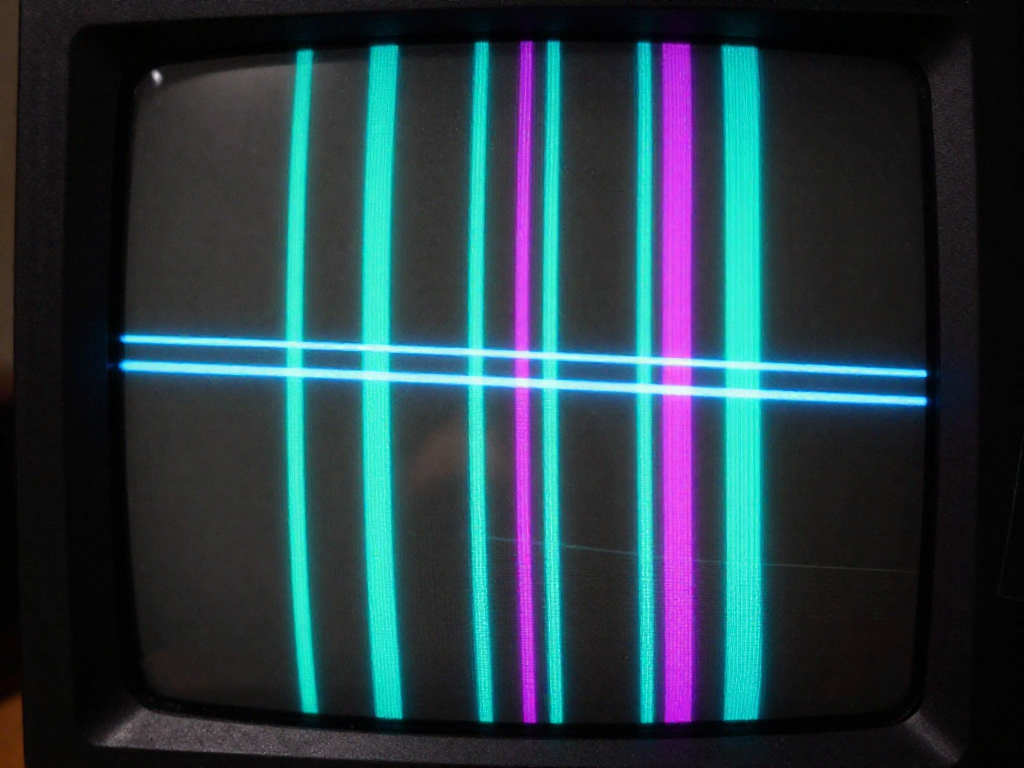
The Quietly Brilliant Tech of the Sony Trinitron, Explained
Why do retro gamers prize CRT TVs like the Sony Trinitron? Here's the clever tech inside, why it beats flat screens for retro play, and what to look for.
Jun 27, 2026 · 10 min read