7 Forgotten Handheld Games That Defined the 90s Playground
Which handheld games were 90s kids obsessed with?
On this page
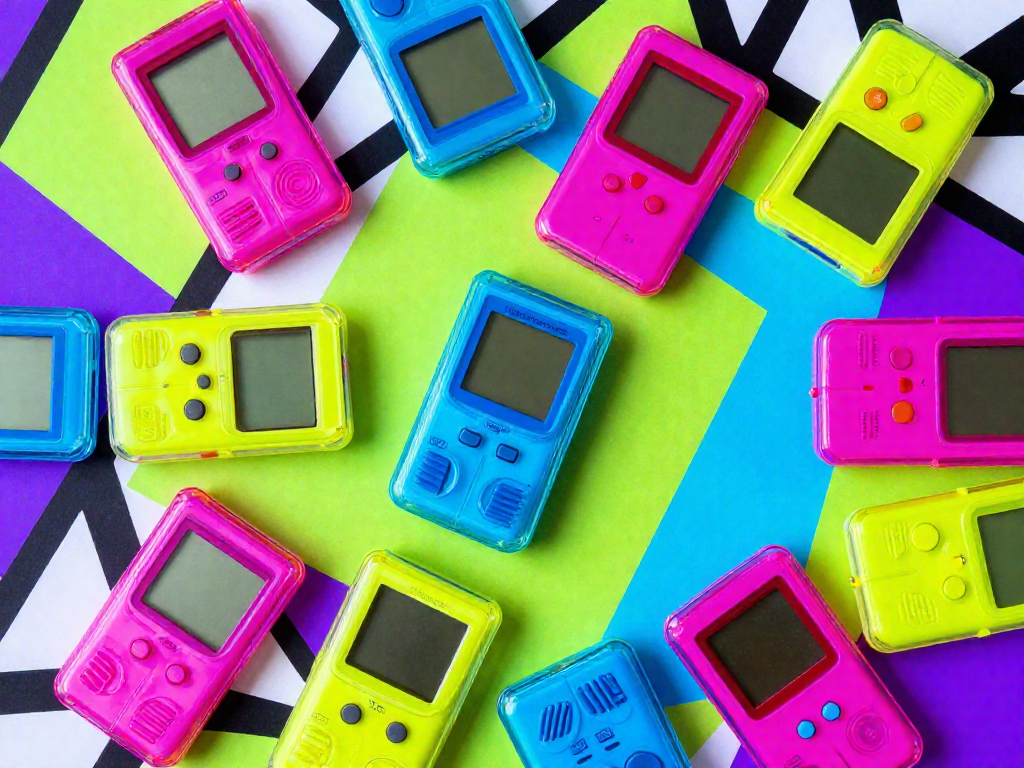
Open on the universal 90s playground scene: a huddle of kids passing around a beeping LCD handheld before the recess bell, batteries dying mid-game. Promise a nostalgic walk back through the handhelds that ruled lunch tables—and a gentle nudge that most are still cheap and findable today.
Before the Game Boy Ruled: The 90s Handheld Landscape
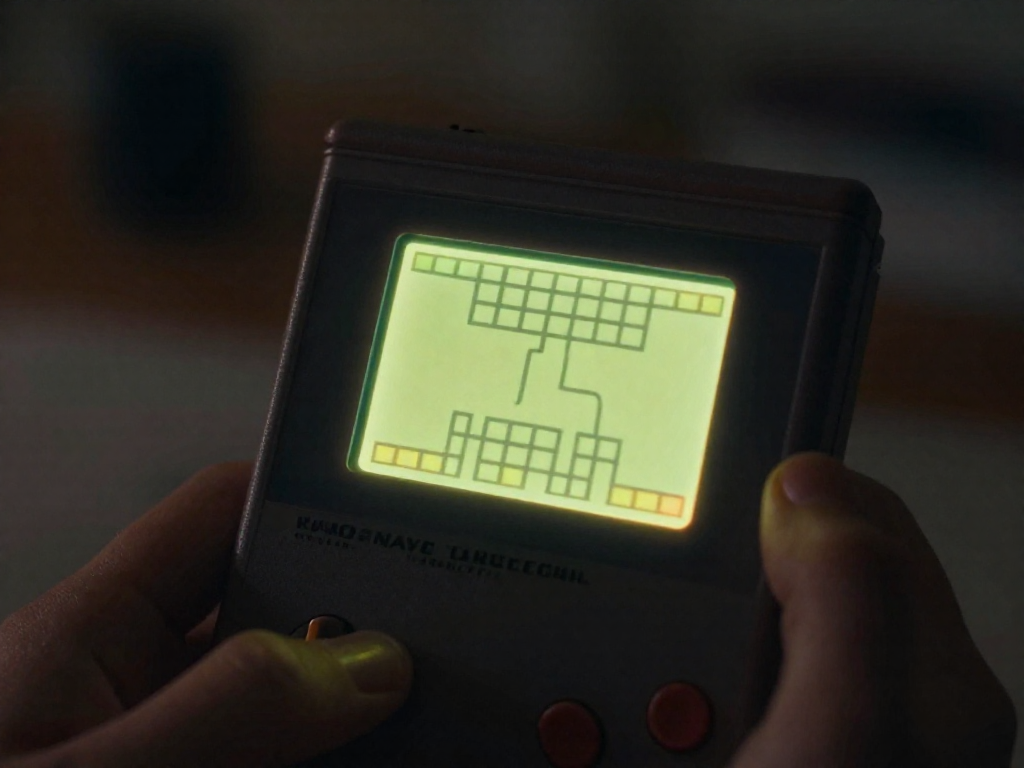
Picture the playground in 1993. Somewhere between the four-square court and the swings, a kid is hunched over a beeping slab of plastic, thumbs flying, a circle of friends waiting their turn. That little device was social currency.
Back then, handheld gaming split into two worlds. On one side were the cheap, single-game LCD units—those keychain-sized gadgets with a fixed, segmented screen that only ever played one thing. On the other were the cartridge systems like Nintendo's Game Boy (1989) and Sega's Game Gear (1990), which swapped games and ate AA batteries for breakfast.
The single-game crowd was everywhere: affordable, pocketable, and endlessly traded for lunch snacks. When we say these games are "forgotten," we mean they got overshadowed by giants like Super Mario Land and Tetris—not that they were any less beloved on the blacktop.
1. Tiger Electronics LCD Handhelds
If you grew up in the 90s, you probably remember the unmistakable bleep-bleep-bleep of a Tiger Electronics handheld droning away in the back of a school bus. These chunky single-game units were everywhere. Each one played exactly one game, with blocky LCD silhouettes that flickered into view in fixed spots on the screen — your "character" was really just a handful of pre-drawn shapes blinking on and off. It barely resembled the arcade game it claimed to be, and honestly, nobody cared.
Tiger leaned hard into licensing, cranking out tie-ins for Sonic the Hedgehog, X-Men, and just about every big movie of the decade. Because the tech was simple and the units were mass-produced, they sold for pocket-money prices — which is exactly why so many kids owned a small pile of them.
Collecting tip: Start at thrift stores, flea markets, and yard sales, where loose units still turn up for just a few dollars. Pop the battery cover off to check for corrosion before you buy, and test the screen if you can. Boxed copies fetch more, but a working loose handheld is the perfect, low-cost first piece.
2. Game & Watch Holdouts
Before the Game Boy swallowed every backpack pocket in 1989, Nintendo's Game & Watch line (running from 1980 to 1991) was already a playground staple—and plenty of those little units lingered well into the early 90s. You probably remember a friend who still clutched one: a slim single-screen unit, or the foldable dual-screen "Multi Screen" models whose clamshell design quietly previewed the Nintendo DS decades later. The gameplay was charmingly simple—catch falling eggs, dodge falling tools, repeat—but that lo-fi rhythm is exactly what makes them feel like the missing link to the Game Boy.
Collecting tip: Condition is everything here. Check that the LCD segments light up fully with no dead lines, and test the buttons for mush. Loose, working units often turn up for $30–$70 at flea markets and on eBay; boxed copies with the insert climb higher. Hit estate sales and local listings first—you'll spend less than you'd think.
3. Tamagotchi and Digital Pets
Few things defined the late-90s playground like the frantic beep of a Tamagotchi demanding attention. Released by Bandai in 1996 in Japan and arriving in the US in 1997, these egg-shaped keychain pets turned an entire generation into anxious caretakers. You hatched a creature, fed it, cleaned up after it, and prayed it wouldn't "die" while you were stuck in math class. Plenty of them did, which is exactly why so many got smuggled out during lessons—and why teachers started confiscating them by the drawerful.
The craze spawned a whole ecosystem of rivals. Tiger Electronics' Giga Pets and the cheaper Nano Babies gave kids who couldn't snag a Tamagotchi their own pocket creatures to obsess over.
Collecting tip: Original 1997 US releases are the prize, but don't overpay. Check the back for the Bandai stamp and an intact battery door, and watch for a working screen with no dead pixels. Loose, untested units often run $15–$40; sealed ones climb higher. Modern reissues are fun and budget-friendly at around $20 new—great for actually playing without risking a vintage piece.
4. Game Boy Hidden Gems (Not Just Tetris)
Sure, everyone remembers Tetris (1989) and the Pokémon craze that hit in 1998. But the Game Boy library was deep, and some of the carts kids actually swapped at recess rarely make the highlight reels. Think Kirby's Dream Land (1992), the gloriously weird Wario Land: Super Mario Land 3 (1994), and the puzzle-platformer Mole Mania (1996) — games that got passed hand-to-hand because nobody could afford to own them all.
That playground trading economy was the original collector's market: a worn Wario Land for a doubled-up Kirby, sealed with a handshake.
Collecting tip: Loose cartridges are the friendliest entry point — many common titles run roughly $8–$20 each. Boxed, complete-in-box (CIB) copies command a real premium, often 3–5x the loose price. Check thrift stores, local game shops, and estate sales first, and inspect the battery save and label condition before you buy.
5. Sega Game Gear Favorites
While the Game Boy ruled lunch tables with its green-gray screen, the Sega Game Gear (released in the US in 1991) showed up flexing a gorgeous full-color, backlit display. It felt like the future — until you realized it devoured six AA batteries in just a few hours, sending kids scrambling to "borrow" them from the TV remote.
The library is where it shined: Sonic the Hedgehog, Shinobi, and the wonderfully portable Sonic Chaos kept thumbs busy for hours. It ultimately lost the handheld war to Nintendo's battery efficiency and lower price, but it absolutely won the hearts of color-hungry kids.
Collecting tip: Working units typically run $40–$90 loose. Before buying, ask the seller about the screen — Game Gears are notorious for failing capacitors that cause dim, distorted, or silent units. A recapped console is worth paying a little more for.
6. Pocket Electronic Sports and Quiz Games
Before smartphones, the lunch table economy ran on little plastic sports gadgets. Mattel's electronic football units (the original landed back in 1977 and stayed popular well into the 90s) turned glowing red LED dashes into "players," and you'd hunch over the thing thumbing those gloriously clicky buttons. Basketball, baseball, and bowling versions all made the rounds too, traded like contraband during recess.
Then there were the quiz and word handhelds — think electronic trivia and spelling toys — that quietly slipped some learning past us while we thought we were just playing.
Collecting tip: These are some of the easiest, cheapest retro finds out there. Check thrift stores, estate sales, and church rummage tables, where they often turn up for $5–$15. Before you buy, pop in fresh batteries (or bring your own) and test every button — sticky controls and dead segments are the most common faults.
7. The Oddball One-Hit Wonders
Every playground had that one kid with a handheld nobody else recognized — usually a movie or cartoon tie-in like a Batman, Aladdin, or Home Alone LCD game that flooded shelves around its release and then vanished just as fast. Most played terribly, but that's exactly why we remember them. Because they were tied to a single moment, a few are now genuinely scarce, and the right one can fetch a surprising amount.
You don't need deep pockets to enjoy this corner, though. A few beginner tips:
- Check completeness first — boxed examples with the original cardboard backing are worth far more than loose units.
- Test the LCD — confirm the screen lights evenly and segments aren't dead before paying up.
- Know the range — common tie-ins run $10–$30 loose; only truly rare titles climb higher.
Browse local thrift stores and estate sales before auction sites, and you'll often find these for pocket change.
How to Start Collecting 90s Handhelds Without Spending a Fortune
Good news: most of these gems won't break the bank, and the hunt is half the fun. Start where the deals hide — thrift stores, estate sales, and flea markets often price old electronics for a few bucks because sellers don't realize anyone wants them. Online, search for "lot" listings; buying a mixed bundle of Tiger LCD handhelds usually costs less per unit than chasing single titles.
Before you hand over any cash, give each unit a quick once-over. Check the screen for cracks or dead pixels, pop open the battery door to look for white or green corrosion (a deal-breaker on cheaper units), and press every button to confirm they respond.
You'll also see "loose" units versus "complete-in-box" (CIB). Loose is perfect for beginners and players. Save the pricier boxed copies for the handhelds you truly love. Cut your teeth on the cheap LCD games first, then work up to the grails once you know what you enjoy.
See also
- A beginner's guide to collecting retro video games
- The rise and fall of the Sega Game Gear
- Tamagotchi and the 90s virtual pet craze explained
- Best places to find retro tech at thrift stores
Related articles
Quick Reference: Retro Console Release Years and Lifespans
When did the major retro consoles launch and end? A scannable timeline of release years, lifespans, and console eras for collectors.
Jun 27, 2026 · 5 min read
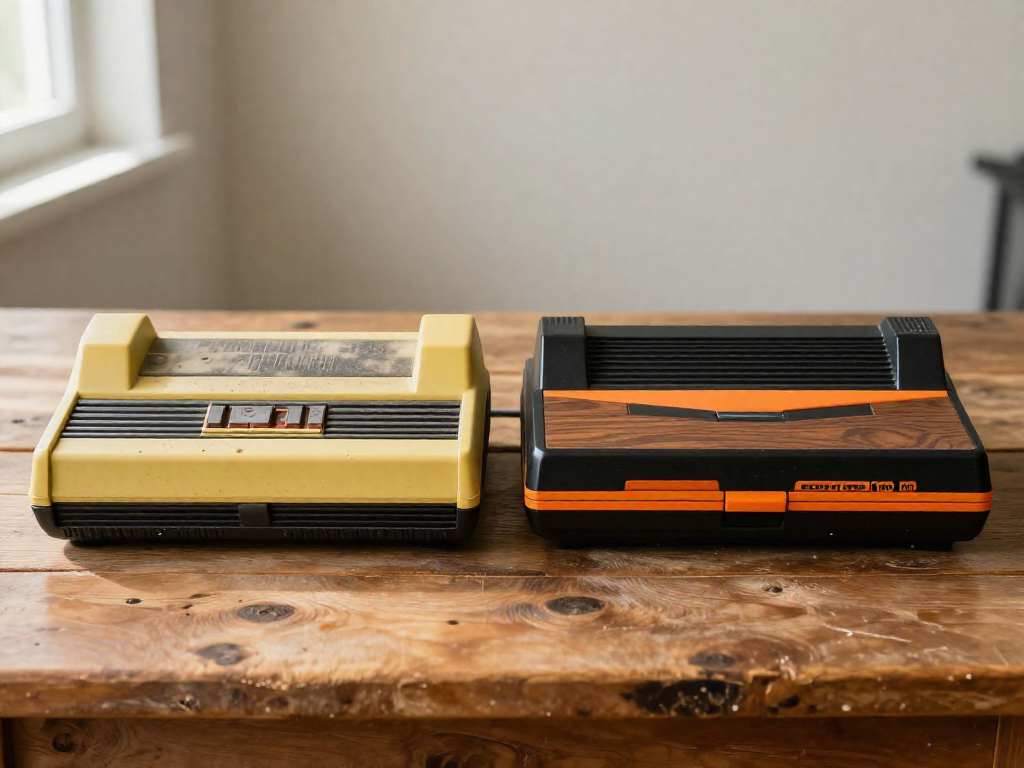
The Atari 2600 at Home: A Beginner's Restoration Primer
Found a dusty Atari 2600? Learn gentle, beginner-friendly cleaning and basic fixes to revive your first vintage console—no soldering or big budget required.
Jun 27, 2026 · 12 min read
The Quietly Brilliant Tech of the Sony Trinitron, Explained
Why do retro gamers prize CRT TVs like the Sony Trinitron? Here's the clever tech inside, why it beats flat screens for retro play, and what to look for.
Jun 27, 2026 · 10 min read