The Walkman Buyer's Guide: Finding a Cassette Player That Still Sings
How do I buy a working vintage Walkman?
On this page
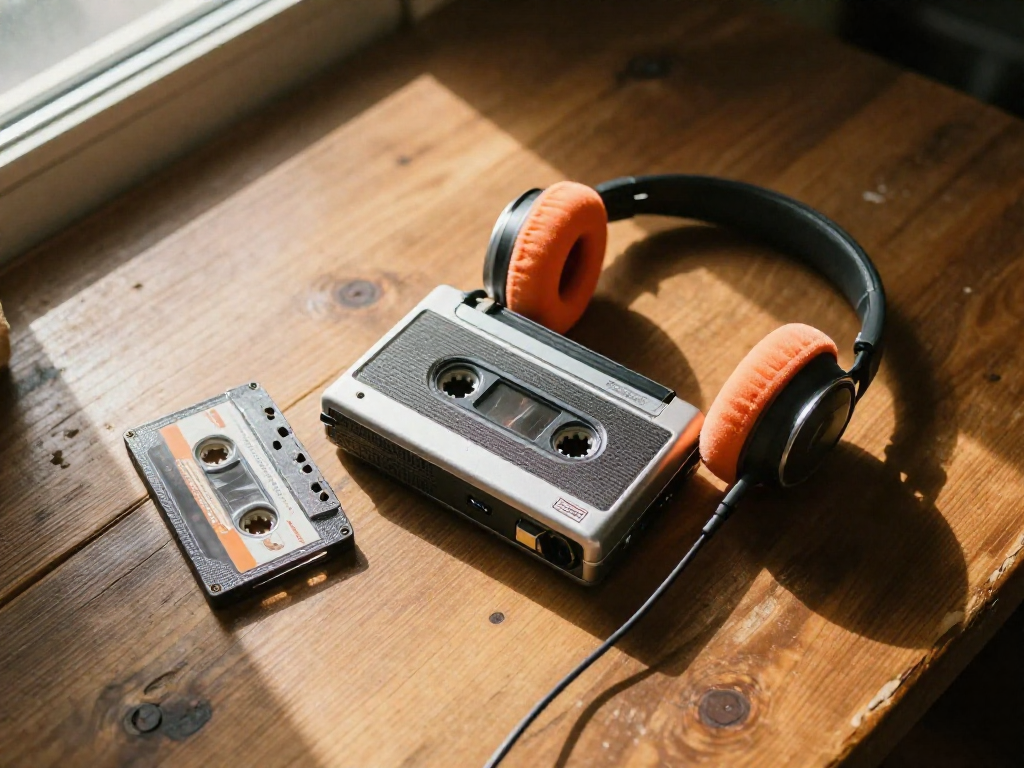
Why Buy a Vintage Walkman in the First Place?
There's something a streaming app will never give you: the soft click of a cassette door, the gentle hiss before the music starts, and the little ritual of flipping the tape to hear Side B. A Walkman makes you slow down and actually listen, and that warm, slightly imperfect sound is a big part of why these players are having such a moment again.
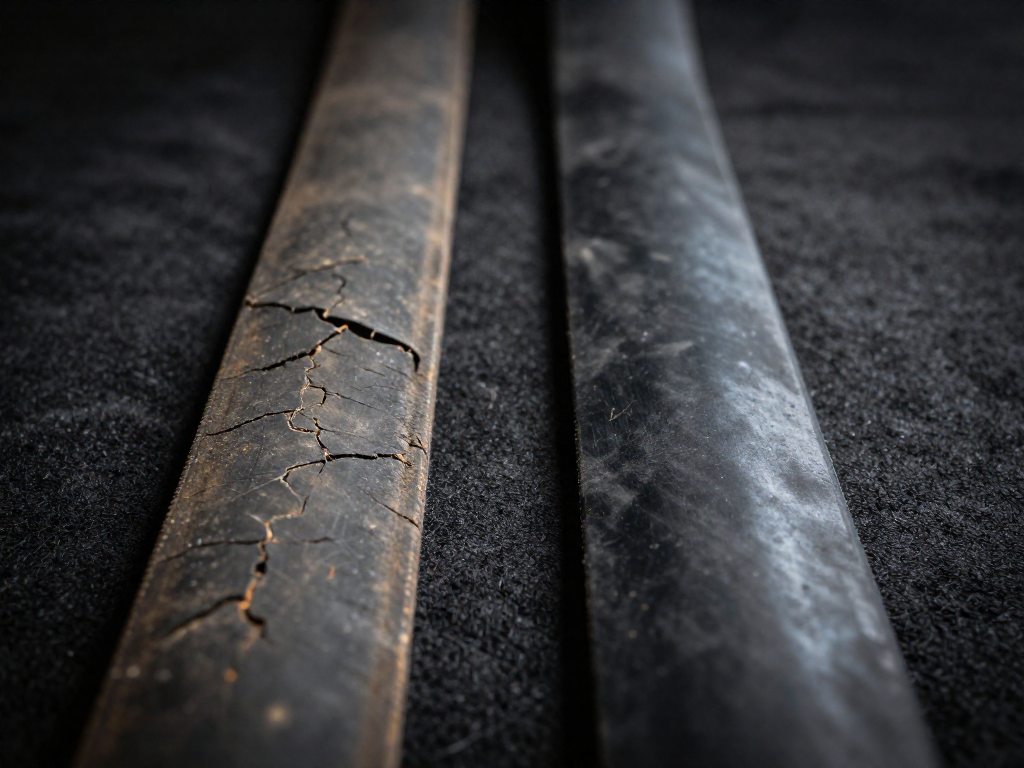
Here's the honest part, though. Most Walkmans you'll stumble across — at a yard sale, in a parent's closet, in a thrift-store bin — have been sitting unused for decades. Rubber drive belts dry out and crack, so a unit that "powered on fine" may still play tapes too slow or not at all. That's normal, not a dealbreaker. Just expect that many will need a little TLC.
Before you shop, pick your lane:
- Working player to actually use: plan on roughly $25–$70 for a tested, belt-replaced unit.
- Collector-grade, boxed, cosmetically clean: these climb well past $150 and up.
Decide which goal you have first. It'll save you money and disappointment later.
Know the Types: Cassette Walkmans vs. the Look-Alikes
Before you hand over any cash, it helps to know exactly what's sitting in that thrift-store bin. "Walkman" gets thrown around like a generic term, but technically it's Sony's brand name (the first one, the TPS-L2, landed in 1979). Plenty of other companies—Aiwa, Panasonic, Toshiba—made excellent personal cassette players too. So don't panic if the label doesn't say Sony; just know that a true Walkman carries Sony's name and model number, while the cheaper "personal stereo" knockoffs often skipped the quality bits.
Next, figure out what the unit actually does:
- Playback-only models are the most common and usually the cheapest. Great if you just want to press play and drift back to 1987.
- Record-capable models have a built-in mic or line-in and can record onto tape. These are rarer and tend to cost more, but they're a fun bonus if you want to make your own mixtapes.
Here's the part beginners miss: brand alone doesn't guarantee a good buy. A flimsy plastic chassis with worn-out belts will sound rough no matter whose logo it wears, while a sturdy mid-tier player in clean shape can sing beautifully. Pick the unit up. If it feels hollow, rattly, or the buttons are mushy, keep looking—condition and build matter far more than the name on the front.
The Belt Problem: The #1 Thing That Kills Old Walkmans
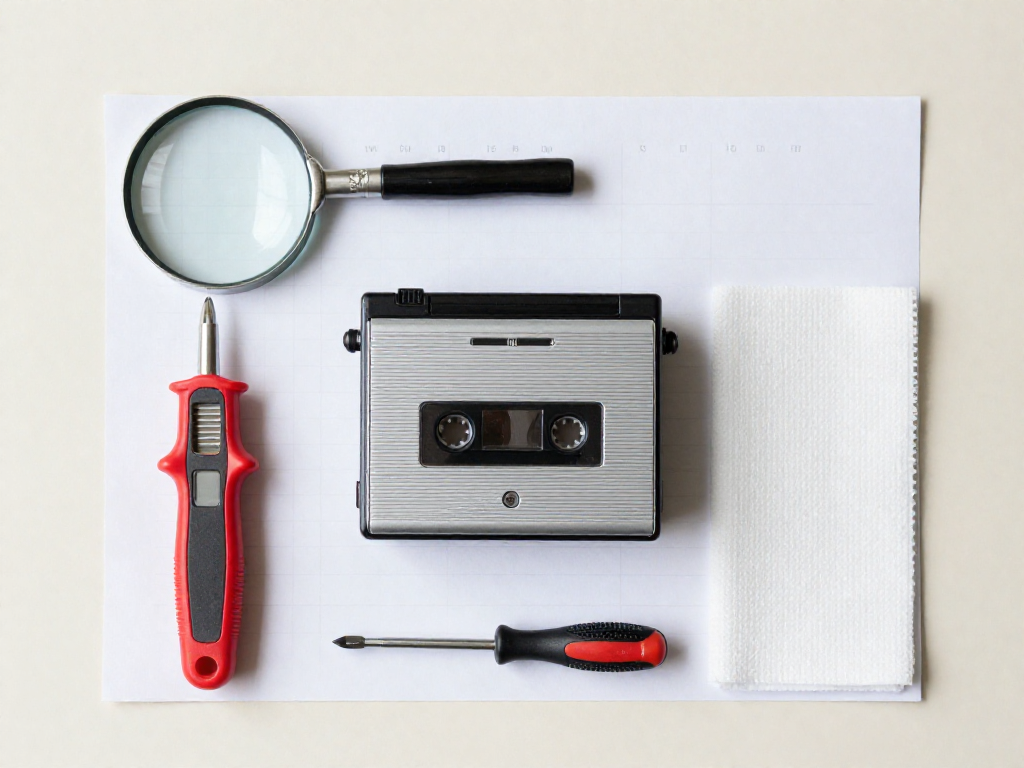
Here's the secret every Walkman collector learns fast: when a vintage unit "doesn't work," the culprit is almost always a tiny rubber belt, not the electronics. Inside that little plastic shell, one or more rubber belts loop around the motor and spin the cassette reels at a steady, precise speed. Rubber, sadly, is mortal. Over 30-plus years it dries out, stretches, hardens, or melts into a sticky goo — and once that happens, the motor spins but the tape doesn't move the way it should.
The symptoms are easy to spot once you know them:
- Slow or sluggish speed — music sounds dragged down, like the singer just woke up from a nap.
- Warbly, wavering pitch ("wow and flutter") — notes seem to seasick their way up and down.
- Dead playback — the motor hums or the deck lights up, but the reels won't turn at all.
Pop in a tape you know well. If a familiar chorus sounds detuned, droopy, or just off, suspect the belt before you suspect anything expensive.
And here's the part that changes everything: belts are often cheap and replaceable. A replacement belt kit for many common models runs roughly $5–$15, and sellers on eBay and Etsy stock them for popular Sony, Aiwa, and Panasonic units. The repair takes patience and a small screwdriver, plus a YouTube tutorial for your specific model — but it's a beginner-friendly fix.
So don't scroll past a listing just because it says "as-is" or "for parts." A "broken" Walkman with a perished belt and otherwise clean internals can be a steal, while a "tested working" unit might cost three times as much. Knowing the belt problem turns a red flag into a bargaining chip.
Motors, Heads, and Pinch Rollers: What Else Can Go Wrong
So you've checked the belt (the usual suspect from the last section), but a Walkman has a few other moving parts that quietly decide whether your tapes sound glorious or gloomy. Good news: most are easy to spot before you hand over any cash.
Motor speed drift. A tired motor runs too fast or too slow, and your ears will catch it before any meter does. Pop in a tape with a familiar song and listen for warbling vocals, a slightly "seasick" wobble (called wow and flutter), or a chipmunk-fast pace. Steady, on-pitch playback is what you want. Minor drift can sometimes be tweaked, but a wildly off motor is a deal-breaker for a beginner.
Dirty or worn tape heads. That little metal block the tape presses against is the head, and it picks up brown gunk over decades. The symptom is dull, muffled, treble-starved sound. The fix is wonderfully cheap: a cotton swab dipped in isopropyl alcohol (90%+), gently wiped across the head. If cleaning doesn't restore the sparkle, the head may be worn down — less common, but worth knowing.
Hardened pinch rollers and capstan. The pinch roller is the small rubber wheel that pulls tape across the head at a steady speed. When it goes hard, shiny, or sticky, it can grab and chew your cassettes. Look for a roller that's still matte and slightly soft, not glazed.
When buying in person, bring your own throwaway tape to test all three. Expect to pay around $30–$70 for a clean, tested unit — and skip anything the seller "can't get to play."
How to Inspect a Walkman Before You Buy
By now you know what can break inside these little machines. The good news? You can catch most problems in a few minutes if you know what to look (and listen) for. Here's the checklist I run through every time.
Buying in Person
This is the dream scenario, so come prepared. Toss a cassette you know well and a set of fresh batteries in your bag (many units from the '80s and '90s ran on two AAs, sometimes with a "gum stick" rechargeable). Sellers at flea markets and estate sales rarely have a working tape on hand, and "it powered on at home" tells you nothing about playback.
Once it's running, use your ears:
- Speed: Does a familiar song sound right, or slow and warbly? Wow and flutter usually means a stretched belt or tired motor.
- Treble: Hi-hats and vocals should sound crisp, not muffled. Dull highs often point to a dirty or worn playback head.
- Motor noise: Hold it to your ear. A faint hum is normal; grinding, clicking, or whining is not.
Then pop it open. Check the battery compartment for white or green crusty corrosion on the contacts — light surface gunk cleans up, but deep corrosion can mean damaged wiring. If there's a window or clear cover, peek at the belt: a melted, stretched, or gooey belt is a repair job (though often a cheap and rewarding one).
Buying Online
You can't press play, so make the seller do the work. Ask: Does it play a tape end to end? Any speed or sound issues? Has it been recapped or had the belt replaced?
Red flags in listings: "sold as-is / untested," "powers on" with no mention of playback, photos that hide the battery door, or stock images instead of the actual unit. A seller who filmed a 30-second playback clip is worth paying a little more for.
What to Pay and Where to Look
Here's the good news: you don't need a collector's budget to land a Walkman that still sings. You just need to know where to dig and what each price tag really means.
Start local. Thrift stores, garage sales, and estate sales are still the best place to find a bargain. You'll often see old portables tossed in a bin for $5–$15, untested and dusty. Estate sales in particular are gold, because they sometimes include the original case, headphones, and manual.
Going online? eBay and specialist sellers cost more, but you trade a little money for a lot less guesswork. Listings usually tell you whether a unit has been opened up and serviced.
A rough sense of what you'll pay:
- As-is "project" units: $5–$30. Belts are probably shot, but that's a cheap, fixable problem.
- Serviced and working: $40–$120. Someone's already done the repair legwork.
- Mint collector pieces: $150 and well up, especially for sought-after models in the box.
When is a cheap, untested unit worth the gamble? When it's under $20, the case looks clean, and the buttons move freely. A dead belt is the most common fault — and the easiest to replace yourself.
Easy First Fixes (No Soldering Required)
So your thrift-store find sounds muffled, warbly, or just plain dead? Don't panic — a lot of "broken" Walkmans just need a little TLC, and you can do most of it at the kitchen table.
Start with the easiest win: cleaning. Dip a cotton swab in isopropyl alcohol (90%+ is ideal) and gently wipe the playback heads, the silver capstan shaft, and the rubber pinch roller. Years of shed tape gunk build up there, and clearing it can instantly sharpen muddy sound. Let everything dry before you load a tape.
If playback drags, runs slow, or the reels won't turn, you're likely looking at a perished drive belt — the classic Walkman killer. Replacement belt kits run roughly $5–$15 online, and swapping one is a great first project: open the shell, note the belt's path (snap a phone photo first!), and loop the new one into place.
Know your limits, though. If you spot corroded boards, snapped gears, or a motor that hums but won't spin, hand it to a repair tech. There's zero shame in that — saving a 40-year-old machine is a win no matter who holds the screwdriver.
FAQ
Are vintage Walkmans worth buying today?
For most people, yes — if you're buying for the joy of it rather than as an investment. A working vintage Walkman delivers that warm, slightly imperfect cassette sound and the tactile ritual of pressing play that no streaming app can match. You don't need a rare collector's grail to enjoy it; plenty of solid 1980s and '90s models can be found affordably. Just go in with realistic expectations: these are 30- to 40-year-old machines, so a little maintenance is part of the deal. Buy one because you want to hear your old mixtapes again, not because you expect it to appreciate like a baseball card.
How can I tell if a Walkman just needs a new belt?
Worn rubber drive belts are the single most common Walkman ailment, and the symptoms are pretty telltale. Pop in a tape and listen: if the motor hums or you hear the heads engage but the reels turn slowly, unevenly, or not at all, a stretched or melted belt is the likely culprit. Music that plays too slow, wavers in pitch (called 'wow and flutter'), or speeds up and slows down also points to a tired belt rather than dead electronics. Good news: belts are cheap (often a few dollars per set) and replacing them is a popular beginner repair with lots of model-specific video walkthroughs online. If the unit powers on and the motor spins, a belt swap fixes it more often than not.
How much should I pay for a working vintage Walkman?
It depends heavily on the model. A common, no-frills working Sony or off-brand player from the late '80s or '90s typically runs roughly $25–$60 at thrift stores, flea markets, and on eBay. Mid-tier models with auto-reverse or better build quality often land around $60–$120. Sought-after early units and the premium metal-bodied models can climb well into the hundreds, but you absolutely don't need those to get started. Check thrift shops, estate sales, and local marketplace listings for the best deals — 'untested' or 'needs belt' units sell cheaper and are great practice if you're willing to do a simple repair. Set a budget around $40 for your first one and you'll have plenty of options.
Will an old Walkman damage my cassette tapes?
A properly working Walkman won't harm your tapes, but a neglected one can. The main risks come from gummy, decayed components: a sticky pinch roller or capstan can grab and 'eat' a tape, and a unit running too fast or unevenly stresses the cassette. Dirty heads and a magnetized tape path can also degrade sound over time. Before trusting a Walkman with an irreplaceable mixtape, test it with a tape you don't care about first. Give the heads, pinch roller, and capstan a gentle clean with isopropyl alcohol and a cotton swab, and make sure playback speed sounds steady. Treat a freshly bought vintage unit as 'unproven' until it passes that test.
Which Walkman models are best for beginners?
Start with common, well-supported models rather than rare collectibles — you'll spend less and find parts and repair guides easily. Sony's widely produced 1980s and '90s players are a safe bet because they're abundant, reasonably priced, and have huge online repair communities. Look for a unit with a metal-gear transport if you can, and don't overlook quality off-brands like Aiwa or Panasonic, which often punch above their price. Avoid the absolute cheapest dollar-store-grade players, since their plastic mechanisms wear out fast. For your first purchase, prioritize a model that's easy to open and re-belt over one that's flashy — getting comfortable with basic maintenance is the real key to enjoying the hobby.
See also
- Beginner's Guide to Starting a Cassette Tape Collection
- How to Clean and Care for Vintage Cassette Tapes
- Best Retro Audio Gear for First-Time Collectors
- A History of the Sony Walkman and the Mixtape Era
Related articles

Quick Reference: Retro Console Release Years and Lifespans
When did the major retro consoles launch and end? A scannable timeline of release years, lifespans, and console eras for collectors.
Jun 27, 2026 · 5 min read
The Atari 2600 at Home: A Beginner's Restoration Primer
Found a dusty Atari 2600? Learn gentle, beginner-friendly cleaning and basic fixes to revive your first vintage console—no soldering or big budget required.
Jun 27, 2026 · 12 min read
The Quietly Brilliant Tech of the Sony Trinitron, Explained
Why do retro gamers prize CRT TVs like the Sony Trinitron? Here's the clever tech inside, why it beats flat screens for retro play, and what to look for.
Jun 27, 2026 · 10 min read