The Best Retro Consoles for First-Time Collectors, Ranked
Which retro console should I buy first as a beginner?
On this page
How We Ranked These (Availability, Cost, and Library)
Before we crown any favorites, here's the logic behind the list — so you can borrow it the next time you're squinting at a flea-market table or scrolling eBay at midnight.
We scored every console on three things:
- Availability — How easy is it to find a working unit without a treasure hunt? Systems you can spot at thrift stores, estate sales, and local Facebook Marketplace listings score higher than ones that vanish the moment they appear.
- Cost to enter — Not just the console, but the console plus a few games and the right cables. A realistic starting kit, not a single overpriced box.
- Library appeal — Are the games fun, beginner-friendly, and affordable? A cheap console with a $200 must-have cartridge isn't really cheap.
Here's the big one: for your first console, "cheap to enter" beats "rare and valuable" every time. You want something you'll actually plug in and play, not a shelf trophy you're afraid to touch.
A few buying notes we lean on throughout: always ask if a unit was tested and turns on, check controller ports and cartridge slots for grime, and know that loose (no box) is far cheaper than boxed — totally fine when you're starting out.
What we left off on purpose: high-end "grail" systems, ultra-rare variants, and anything that only shines after modding. Great rabbit holes for later — not for day one.
1. Nintendo Entertainment System (NES) — The Iconic Starting Point
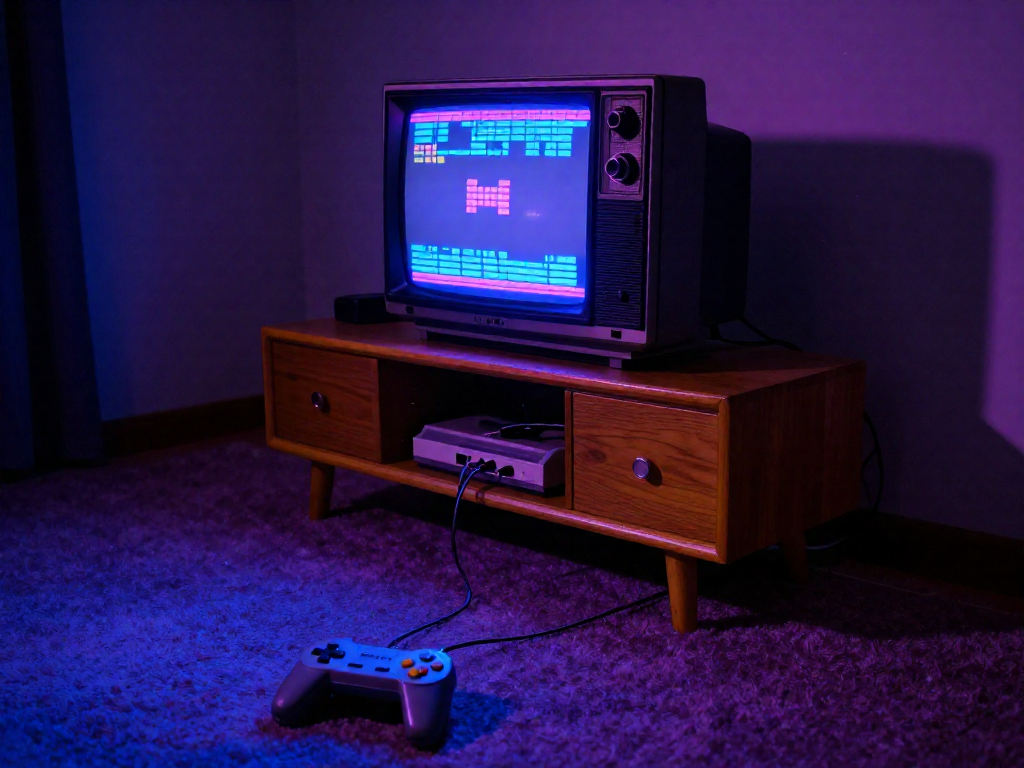
If you only buy one retro console, make it the NES. Released in North America in 1985, it's the machine that pulled the home-gaming world out of its post-crash slump, and for most of us it's ground zero for nostalgia — that gray brick, the rectangular controller, the blow-on-the-cartridge ritual we all swore worked.
It tops our list for three simple reasons: the library is enormous (well over 700 licensed North American titles), the carts are genuinely cheap, and nearly everyone has a memory tied to it. That combination makes it the most forgiving place to learn the hobby.
What you'll spend: A working front-loader console typically runs about $50–$90. Common games — your Marios, your sports titles — often sit in the $5–$15 range. Budget roughly $100–$130 for a console plus a starter stack of five or six games.
The blinking-light gotcha: That flashing power light and gray screen is usually the worn 72-pin connector, not a dead console. A replacement connector costs a few dollars and swaps in with a screwdriver, or you can gently clean the cartridge contacts with isopropyl alcohol first.
Grab these first: Super Mario Bros. 3, The Legend of Zelda, Mega Man 2, and Duck Tales — all affordable, all classics. Check local thrift stores, flea markets, and eBay "lot" listings for the best value.
2. Super Nintendo (SNES) — Best Library for the Money
If you ask a room full of collectors which 16-bit machine has the deepest catalog, the SNES wins more often than not. Released in North America in 1991, it became home to a run of games that still hold up today — Super Mario World, The Legend of Zelda: A Link to the Past, Super Metroid, and F-Zero among them. That blend of platformers, RPGs, and racers is a big reason people call it the best all-around library you can buy into.
Here's the cost reality: the console itself is friendly to a beginner budget, often landing around $60–$110 for a tested, working unit. The catch is the headline games. Sought-after cartridges like EarthBound or Chrono Trigger can run well into the hundreds, so you don't have to chase those to enjoy the system.
A couple of watch-outs before you buy. The gray plastic is famous for yellowing with age — cosmetic, but worth knowing. And the small batteries inside save-heavy carts eventually die, wiping your saves; a fresh battery swap is cheap and beginner-friendly.
Want to start cheap and still get classics? Look for Super Mario World, Donkey Kong Country, and Star Fox, which routinely turn up loose for $15–$30 at flea markets, local game shops, and online listings. Check that the cart contacts are clean and the pins aren't bent before paying.
3. Sega Genesis — The Underrated Budget Champion
If you want the most retro for your money, the Sega Genesis (released in North America in 1989) is hard to beat. Because it sold well and gets overshadowed by Nintendo nostalgia, prices have stayed friendly — you can often find a working console for less than a comparable NES or SNES setup. It's the classic "I want to start without spending a fortune" pick.
A quick word on versions, since it trips up beginners. The Model 1 is the big, chunky original with that famous "high-definition graphics" stamp — collectors love its look and audio. The Model 2 is smaller, cheaper, and just as fun to play. Either is a great first buy; the Model 2 usually costs less and is everywhere.
And the vibe? The Genesis had attitude — punchy soundtracks, Sonic the Hedgehog, and a library of arcade-style action that still holds up.
Beginner steps:
- Where to look: Local flea markets, thrift stores, and Facebook Marketplace tend to hide the best deals; eBay sets the price baseline.
- What to check: Make sure it powers on, the AV and power cables are included, and the cartridge slot is clean.
- Easy first games: Sonic the Hedgehog, Streets of Rage 2, and Golden Axe are cheap, common, and a blast.
4. PlayStation (PS1/PSone) — Cheap Discs, Huge Catalog
If the cartridge era felt a little pricey, the original PlayStation (launched in the US in September 1995) is where your dollar starts stretching. Because games shipped on discs, they were cheap to produce — and that keeps loose copies wonderfully affordable today. You'll regularly find common titles for $5–$15, with plenty of hidden gems in the bargain bin.
The library is the real draw. From genre-defining RPGs like Final Fantasy VII to couch party staples like Crash Bash, there's something for every mood. It's hard to run out of things to play.
A few beginner checks before you buy:
- Discs: flip them over and look for deep scratches or cracks near the center ring.
- Laser drift: older consoles can struggle to read discs; ask the seller to power it on if you can.
- Memory card: you'll need one to save progress — third-party cards are cheap and plentiful.
Start here: Spyro the Dragon, Tekken 3, and Crash Bandicoot are easy to find, easy to love, and rarely expensive. Check local flea markets, thrift stores, and online listings.
5. Nintendo 64 — Couch Multiplayer Nostalgia
Released in North America in 1996, the N64 earns its spot for one reason: those four built-in controller ports. No splitter, no fuss — just GoldenEye 007, Mario Kart 64, and pizza on the floor. If your collecting goal is getting friends together, this is your pick.
Cost watch: a loose console with one controller is genuinely cheap, often $40–$70. The catch is the games. Cartridges play fine loose, but boxed/CIB (complete-in-box) copies climb fast, and a few cult titles run high.
What to check before you buy:
- Controllers: the analog stick is the N64's weak spot. Wiggle it — lots of play, grinding, or a stick that won't re-center means it's worn. Reproduction sticks are cheap and swappable.
- Cartridge contacts: blow nothing; a cotton swab with isopropyl alcohol cleans gunk safely.
Starter games: Mario Kart 64, Super Mario 64, Super Smash Bros., and Mario Party. All are common, affordable loose, and built for a crowded couch.
Honorable Mentions and Who Each Console Is Best For
Didn't see your dream machine in the top five? You've still got great options.
If you're short on cash or space, start with a handheld. The original Game Boy (1989) and Game Boy Advance (2001) are pocket-sized, plentiful, and often run $30–$60 for a tested system at flea markets or on eBay. Just check the screen for dead pixels and the battery compartment for corrosion.
Feeling adventurous? The Sega Dreamcast (1999) is a quirky cult favorite with a loyal community, while an Atari 2600 (1977) is a charming way to own a true piece of gaming history. Both run a bit pricier and need patience to find clean copies.
Quick cheat sheet:
- Want portability on a tiny budget? Game Boy.
- Want a conversation piece? Atari 2600.
- Want underdog cool? Dreamcast.
And remember: there's no wrong first pick. You can always add another console later. Start with the one that makes you smile.
Buying Tips So You Don't Overpay or Get Burned
Here's the good news: you don't need deep pockets or insider knowledge to start. You just need a little patience and a short checklist.
Where to look. Thrift stores and estate sales are still your best friend for cheap finds, though they've thinned out over the years. Local Facebook Marketplace and OfferUp let you test before paying and skip shipping costs. Dedicated retro shops charge more, but you're paying for cleaned, tested gear and a return policy. Save eBay for hard-to-find titles, and always check completed listings to learn a fair price.
Spotting fakes. Reproduction NES and SNES carts are everywhere now. Watch for crooked labels, glossy printing, off-color shells, and a single Phillips screw where originals used a security bit. If a "rare" game costs suspiciously little, assume it's a repro.
Test before you buy. Power it on, check video output, and try a known-good game. For carts, look for corrosion on the pins; for discs, tilt them toward the light to spot deep scratches.
Accessories you actually need. A proper power supply and AV cable for your console, plus one extra controller. Skip pricey "premium" add-ons until you know you'll keep it.
Cleaning safely. Wipe cartridge pins with a cotton swab and a little isopropyl alcohol (90%+). Clean discs from center outward, never in circles. Easy, cheap, and it saves a lot of "broken" games.
See also
- How to Clean Retro Game Cartridges Without Damaging Them
- Are Retro Game Reproductions Worth It? A Beginner's Guide
- The Most Valuable Retro Games Hiding in Your Attic
- Best Beginner-Friendly Games for the SNES
- Connecting Retro Consoles to a Modern TV: A Simple Guide
Related articles
Quick Reference: Retro Console Release Years and Lifespans
When did the major retro consoles launch and end? A scannable timeline of release years, lifespans, and console eras for collectors.
Jun 27, 2026 · 5 min read
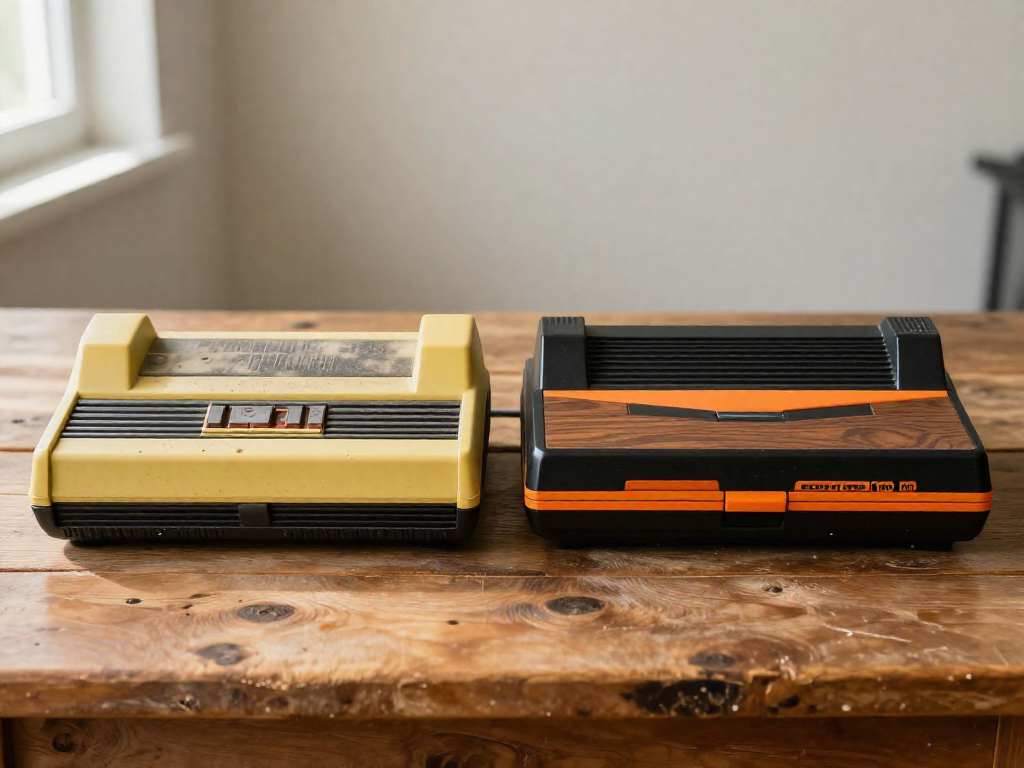
The Atari 2600 at Home: A Beginner's Restoration Primer
Found a dusty Atari 2600? Learn gentle, beginner-friendly cleaning and basic fixes to revive your first vintage console—no soldering or big budget required.
Jun 27, 2026 · 12 min read
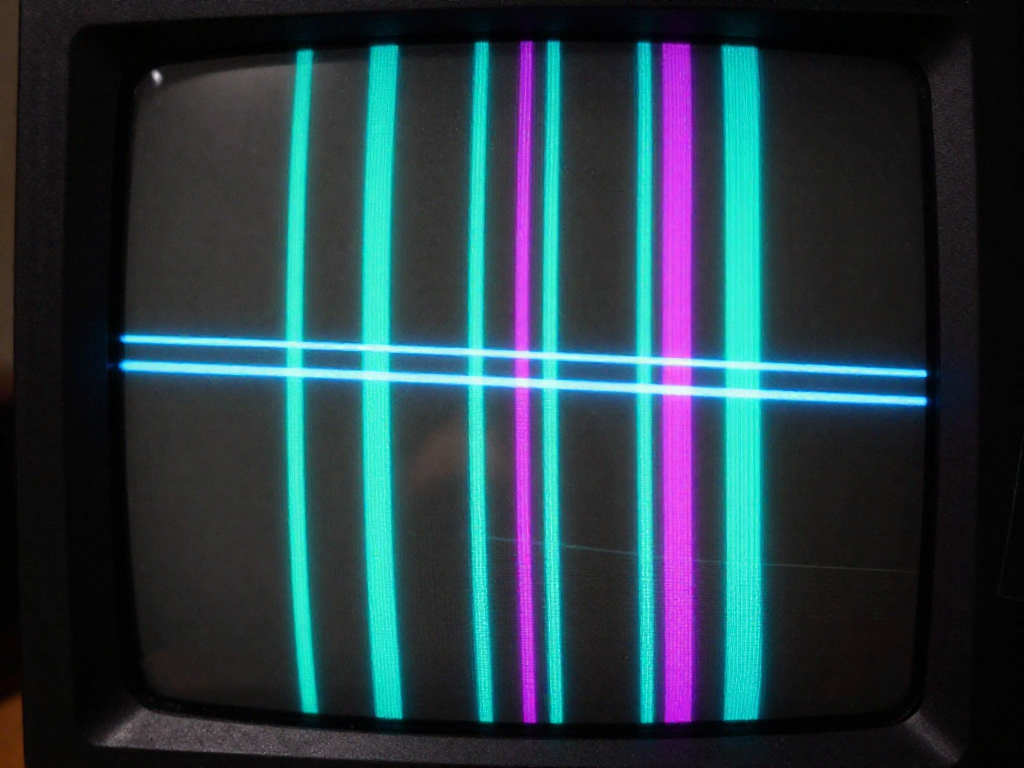
The Quietly Brilliant Tech of the Sony Trinitron, Explained
Why do retro gamers prize CRT TVs like the Sony Trinitron? Here's the clever tech inside, why it beats flat screens for retro play, and what to look for.
Jun 27, 2026 · 10 min read