NES vs. Sega Genesis: Which Retro Console Is Right for You?
Should I collect for the NES or the Sega Genesis?
On this page
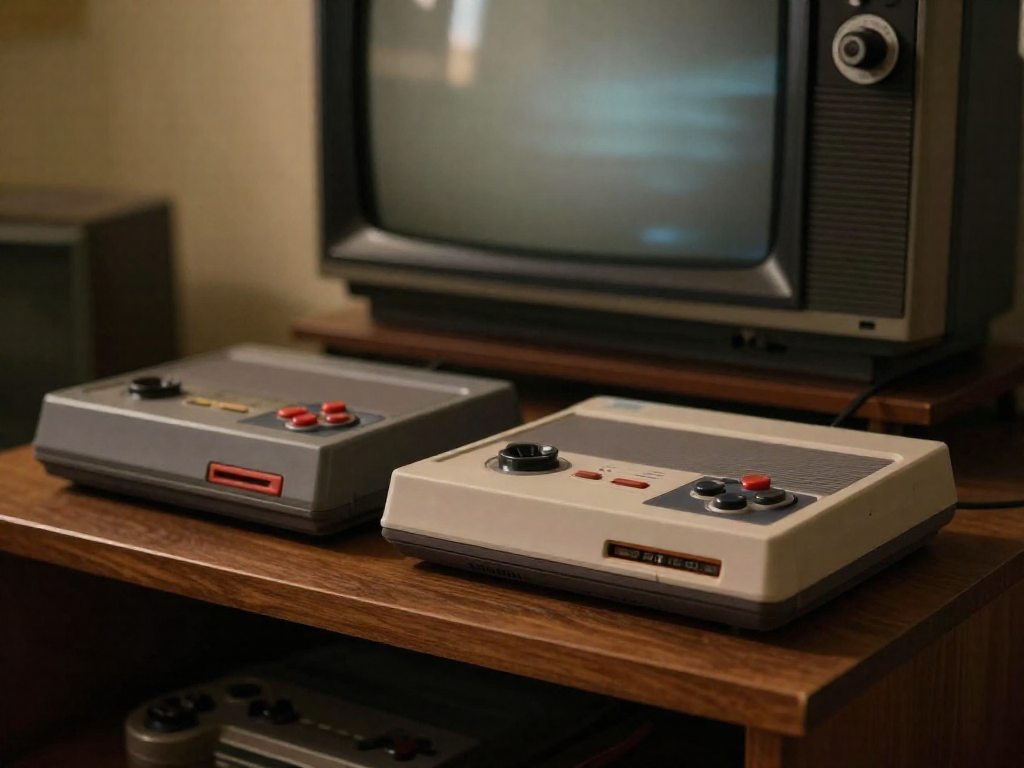
Open on the playground rivalry that defined a generation ("Genesis does what Nintendon't"), then reframe it for today's beginner collector: this isn't about which won in 1991, it's about which one fits your budget, your nostalgia, and the games you actually want to play. Promise a fair head-to-head plus a clear recommendation by reader type.
The Console War in 60 Seconds
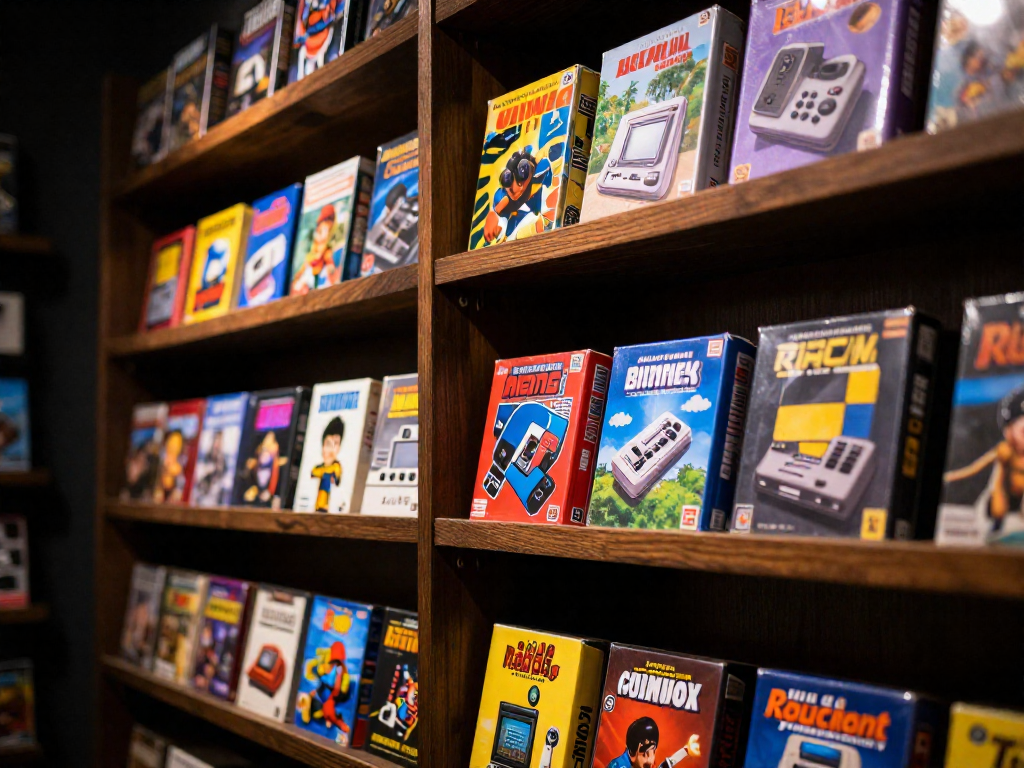
If you grew up anywhere near a TV in the late '80s or early '90s, you lived through one of the great rivalries in pop-culture history — and it's worth a quick refresher before you pick a side to collect.
It started with the Nintendo Entertainment System (NES) in 1985. After the video game crash of 1983 left store shelves a wasteland, the NES single-handedly revived the U.S. console market with Mario, Zelda, and that unmistakable gray box. Nintendo leaned hard into a wholesome, family-friendly image.
Then, in 1989, Sega's Genesis showed up swinging. Sega's 16-bit machine was faster, flashier, and aimed squarely at older kids with its now-legendary slogan: "Genesis does what Nintendon't." Sonic the Hedgehog became the cool, attitude-forward mascot to Mario's friendly plumber.
So why does this matter to you as a collector today? You're really choosing between two distinct eras and two distinct vibes — the 8-bit charm of the NES versus the 16-bit punch of the Genesis. Neither is "better." They just scratch different nostalgic itches, and that's exactly what we'll break down next.
Game Libraries Head-to-Head
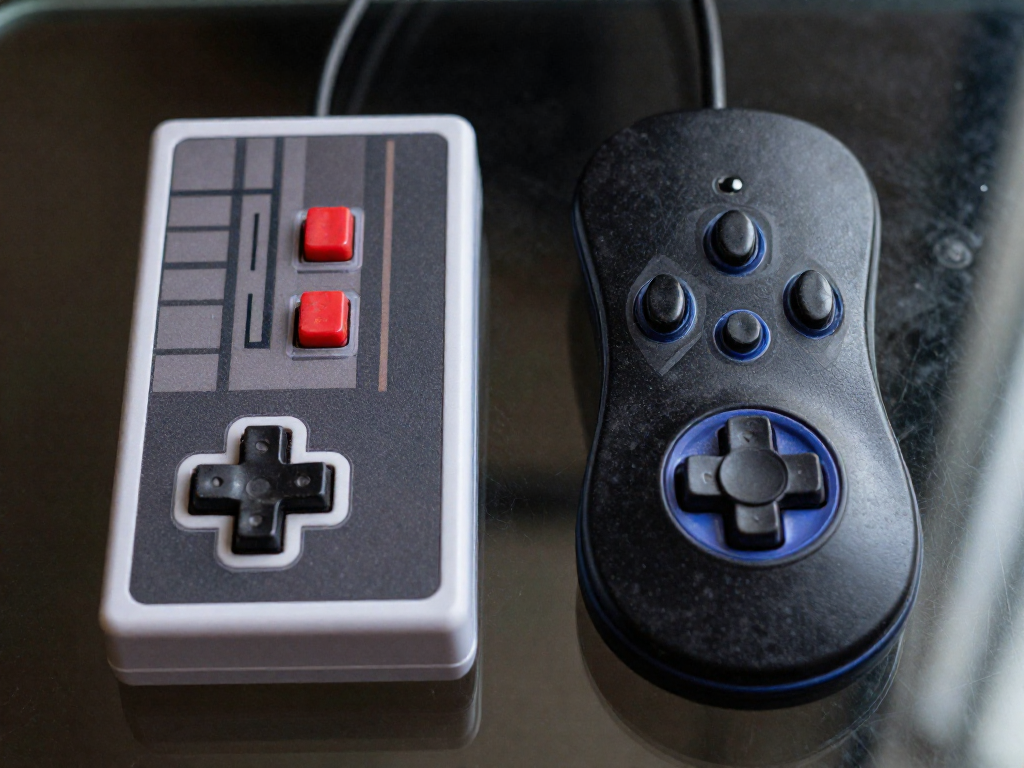
Here's the honest truth: you're not really choosing a console, you're choosing a library. The games you'll actually hunt down, slot in, and lose a Saturday to should drive your decision more than anything else.
The NES leans cozy and iconic. Nintendo's first-party catalog is the stuff of legend — Super Mario Bros. (1985), The Legend of Zelda (1986/1987 in the US), Metroid (1986), and Mega Man (1987). With well over 700 licensed North American titles, the NES library is enormous, which is great news for collectors who love the thrill of the hunt and filling out a shelf. The flip side: the sheer size means a lot of shovelware too, so quantity isn't the same as quality.
The Genesis leans fast and edgy. Sega's machine (released in the US in 1989) shines with arcade-style action, strong sports franchises, and of course Sonic the Hedgehog (1991). If you grew up craving speed, attitude, and ports that felt closer to the arcade, this is your platform. Genres like beat-'em-ups, run-and-guns, and sports tend to play noticeably better here.
Both have rich hidden-gem and homebrew scenes. New cartridges are still being made for each system today, and overlooked originals can be had cheap — a fun way to collect without chasing the headline-grabbers.
Which ages better? For pure replay value, the NES's tight platformers and adventure games hold up beautifully. The Genesis often wins for "pick up and play" energy and display appeal — those black cartridges and clamshell cases look fantastic on a shelf.
Beginner move: Pick one "anchor" game you genuinely loved as a kid, then build outward. Common NES and Genesis carts (loose, no box) typically run $5–$20 at flea markets, thrift stores, and sites like eBay. Always check the cartridge contacts for grime and corrosion before buying — a cotton swab with isopropyl alcohol fixes most flaky carts.
Price & Affordability for Beginners
Here's the good news: you can dive into either console without emptying your wallet. Both the NES (1985) and Sega Genesis (1989) have huge install bases, which means used systems and common games are everywhere—and refreshingly cheap.
What a console will run you
- NES: A loose, tested front-loader typically lands in the $50–$90 range. Boxed (CIB) consoles climb to $150–$300+ depending on condition.
- Sega Genesis: A loose Model 1 or Model 2 usually sits around $40–$80. Boxed sets run $120–$250+.
Prices swing with cosmetic shape, whether cables and controllers are included, and whether everything's been tested. Always ask the seller "Has this been tested and does it come with cables?" before buying.
Games: cheap commons, pricey grails
On both systems, the most-printed carts—think sports titles and pack-in games—often sell for $3–$10 loose. That's where beginners should start. Prices only spike for chase titles and complete-in-box (CIB) copies, where boxes, manuals, and condition do the heavy lifting.
Quirks worth knowing before you buy
- NES: The infamous "blinking light" usually isn't a dead console—it's a tired 72-pin connector. A replacement part is inexpensive and a beginner-friendly fix with a screwdriver and patience.
- Genesis: Watch for model variations. The Model 1 has a louder, warmer sound many collectors prefer; the Model 2 is smaller, cheaper, and easier to find. Neither is "wrong"—just know which you're getting.
A budget-smart entry plan
Start with a tested console and a bundle of common carts from a local game shop, a flea market, or a reputable online seller before chasing any grails. Play first, collect second—you'll learn what you actually love before spending on the rare stuff.
Nostalgia & Feel: Which One Was 'Yours'?
Here's the truth: the "better" console is usually the one that lived in your living room. Let your gut decide first, then let the wallet follow.
Start with the controller in your hands. The NES pad (launched in the US in 1985) is a flat rectangle with a crisp, clicky d-pad and two red buttons — simple, precise, and instantly recognizable. The Genesis (1989 in the US) went curvy and ergonomic, with the classic 3-button pad and a later 6-button version built for fighting games like Street Fighter II. Pick up both if you can; the one that feels "right" tells you a lot.
Then close your eyes and listen. The NES delivers that bright, bouncy 8-bit chiptune sound (think Super Mario Bros.). The Genesis's Yamaha YM2612 chip gives a grittier, punchier 16-bit tone — that growling SEGA shout at startup is pure nostalgia fuel.
For shelf collectors, look at the boxes. NES cardboard boxes are scarce and prized because so many got tossed; loose carts are cheap and plentiful. Genesis used sturdier plastic clamshell cases that survived better, so complete-in-box copies are easier and friendlier on a beginner budget.
The nostalgia test: boot each one up (or watch the startup on YouTube). Whichever screen gives you chills — that's your console.
Beginner tip: Before committing, grab a $30–$50 loose console of each at a flea market or on eBay, test a couple of carts, and trust the feeling.
Collecting Logistics: Carts, Hookups & Modern TVs
Here's the part nobody warns you about: getting these consoles to actually play on a modern TV. Both the NES (1985) and Sega Genesis (1989) output over RF or composite, which most new HDTVs don't even accept anymore. Your cheapest fix is a composite-to-HDMI converter (around $15–25). Want a sharper picture? An upscaler like the RetroTINK ($100+) cleans things up nicely, and HDMI-ready clone consoles such as the Analogue recreations are a plug-and-play alternative if original hardware feels fussy.
Cleaning carts. Skip the old "blow into it" trick—moisture corrodes contacts. Instead, dab a cotton swab with 91% isopropyl alcohol, gently clean the gold connectors, and let them dry fully. Store carts upright, out of sunlight, and dust-free. A simple shoebox works fine.
Region matters. US collectors live in NTSC land. PAL games (Europe/Australia) can run slower and may not boot on a US console without a converter, so check the label before you buy online.
Watch the add-ons. Accessories swing value hard. The NES Power Pad is a fun, affordable grab, while Sega's CD and 32X add-ons can run pricey and need extra hookups—great for completionists, but skippable when you're just starting out. Buy the base console first, then expand as your nostalgia (and budget) allows.
The Verdict: Which Should You Pick?
Here's the honest answer: you can't really go wrong, but your gut probably already knows. Let's make it official.
Pick the NES if you want the biggest, deepest library of any classic console and a budget-friendly way in. Nothing beats those first-party Nintendo classics, and loose carts are everywhere. A working NES-001 console runs roughly $50–$90 these days, with tons of common games at $5–$15 each.
Pick the Genesis if arcade-style action is your love language. Fast platformers, killer sports titles, and Sonic's attitude define the 16-bit era. A Genesis (Model 1 or 2) typically lands around $45–$80, and many beloved games sit in that same friendly $8–$20 range.
Why not both? This is the secret nobody tells beginners: starting both is shockingly affordable. Grab one console now, then keep an eye on local thrift stores, flea markets, and Facebook Marketplace lots for the other. Buying a "console + 5 games" bundle is almost always cheaper than buying piece by piece. Give it a few months and you'll quietly own the whole rivalry.
Your first three games, whichever you choose:
- NES: Super Mario Bros. 3 (1990), The Legend of Zelda (1987), Mega Man 2 (1989)
- Genesis: Sonic the Hedgehog 2 (1992), Streets of Rage 2 (1992), Gunstar Heroes (1993)
Before you buy, blow the dust off the cart contacts, check that the console powers on cleanly, and test the controller ports. That's it—welcome to the hobby.
See also
- Beginner's guide to starting a retro video game collection
- How to clean and restore old game cartridges
- Best budget retro games under $10
- How to connect retro consoles to a modern TV
- The 1983 video game crash explained
Related articles
Quick Reference: Retro Console Release Years and Lifespans
When did the major retro consoles launch and end? A scannable timeline of release years, lifespans, and console eras for collectors.
Jun 27, 2026 · 5 min read
The Atari 2600 at Home: A Beginner's Restoration Primer
Found a dusty Atari 2600? Learn gentle, beginner-friendly cleaning and basic fixes to revive your first vintage console—no soldering or big budget required.
Jun 27, 2026 · 12 min read
The Quietly Brilliant Tech of the Sony Trinitron, Explained
Why do retro gamers prize CRT TVs like the Sony Trinitron? Here's the clever tech inside, why it beats flat screens for retro play, and what to look for.
Jun 27, 2026 · 10 min read