Is Collecting a Smart Investment or Just for Fun?
Should I collect for profit or for joy?
On this page
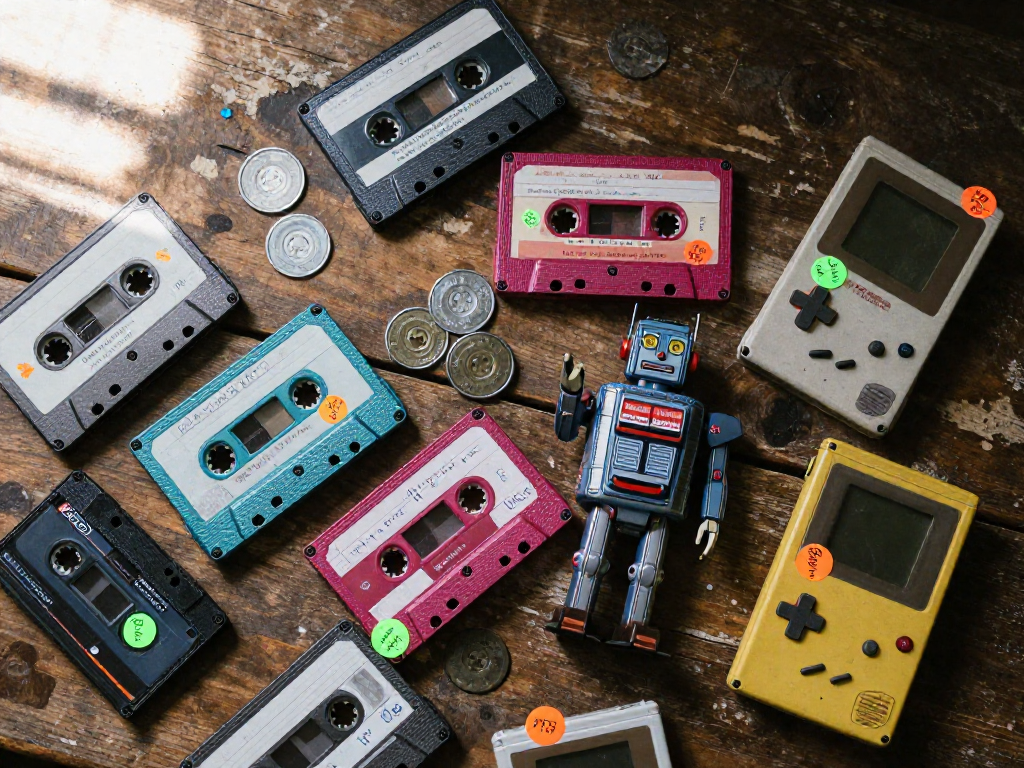
The Fantasy: "This Could Be Worth a Fortune Someday"
Admit it — you've done the math in your head. That box of childhood stuff in the closet? Somewhere in there, you're convinced, is your retirement plan in disguise.
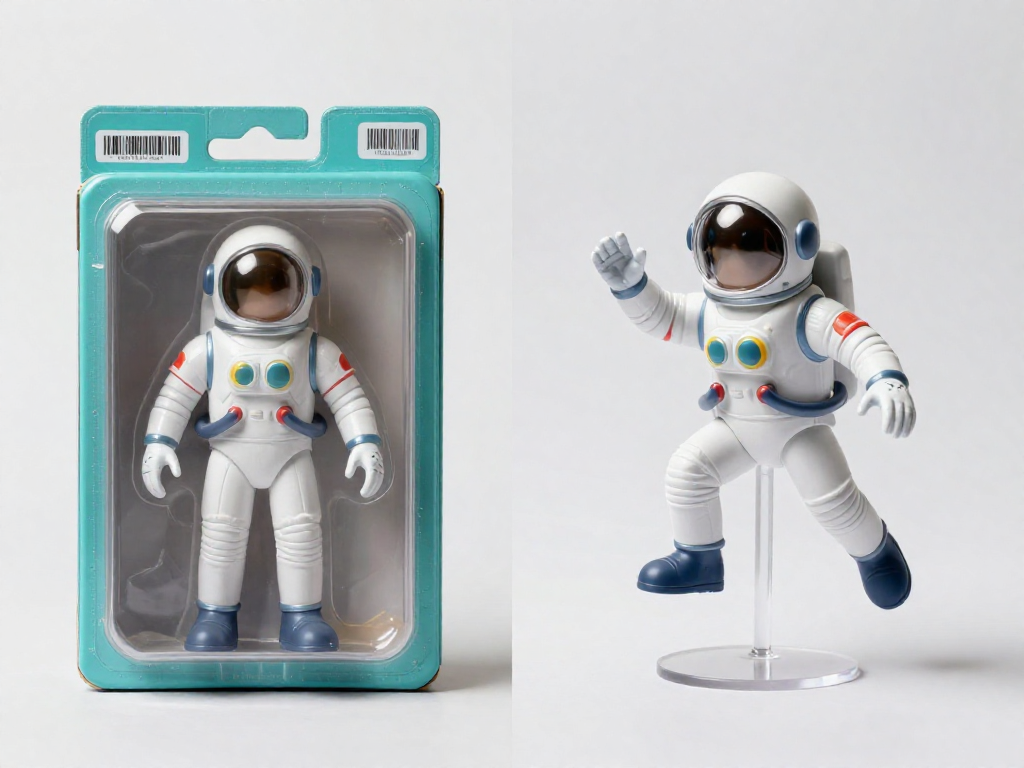
And honestly? The dream isn't crazy. We've all seen the headlines. A near-mint copy of Action Comics #1 (Superman's 1938 debut) sold for over $3 million. Sealed Star Wars figures from the original 1977–1985 Kenner line have pulled five figures at auction. Certain rare cassettes and first-press vinyl trade for sums that would make your teenage self faint.
Here's why those stories stick: nostalgia rewires how we see our own stuff. If you loved it, it must be special — and if it's special, surely it's valuable. It's a comforting little leap, and the internet's viral payday posts pour gasoline on it.
But notice the gap. For every record-breaking sale, there are millions of identical items sitting in millions of attics. The headline isn't the average — it's the exception that got everyone dreaming. We'll dig into that gap next.
What "Investment" Actually Means for Collectibles
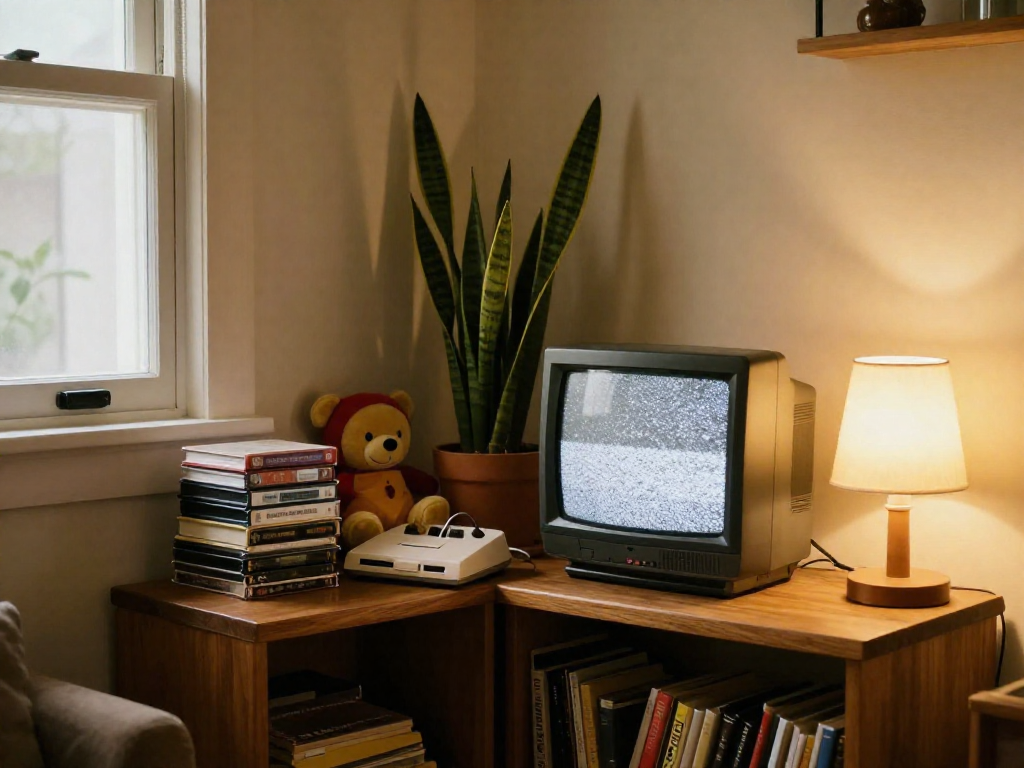
Here's the part nobody selling you a "rare" boxed Boba Fett wants to mention: calling a collectible an investment puts it in the same conversation as stocks and index funds, and it almost never behaves like one. An investment is something you reasonably expect to grow in value and convert back to cash when you need it. Most of your stuff won't do either reliably — and that's okay, as long as you go in clear-eyed.
A few honest truths worth internalizing:
-
Most items never appreciate. For something to actually climb in value, three things have to line up at once: great condition, genuine scarcity, and active demand. Miss any one and you've got a beloved object, not an asset. That 1985 toy felt rare to you, but if your whole neighborhood owned one, the market remembers.
-
The hidden costs add up fast. Professional grading can run $20–$75+ per item, plus shipping both ways. Then there's archival storage, climate control, insurance, and the seller fees (often 10–20%) when you finally sell. Don't forget the hours spent hunting — your time has value too.
-
"Valuable" only counts when someone pays. A price guide or a sold-once eBay record isn't a guarantee. An item is worth exactly what a real buyer will hand you today, and a thin market means you might wait months — or drop your price — to find that buyer.
-
Nostalgia markets are faddish. Values ride emotional waves. A franchise reboot or a viral video can spike prices, then they cool just as fast once the moment passes. What's hot when a generation hits its peak spending years can soften when the next wave gets nostalgic for something else.
None of this means collecting is a bad idea. It means treating it like a guaranteed payday is the trap. Buy because the thing makes you happy to own — and let any future appreciation be a pleasant surprise, not the plan.
The Case for Collecting Purely for Joy
Here's the truth most "investment" talk skips: when you collect for joy, the return is instant. The moment you slide a 1984 cassette of Purple Rain into the deck, or set a boxed Atari 2600 on the shelf, you've already gotten your money's worth. No waiting for a market that may never come. That's a guaranteed payoff no stock can promise.
Joy-first collecting also keeps the stakes low, and low stakes mean low stress. When you're not betting on resale value, a small ding or a missing instruction booklet doesn't ruin your day. You spent $15 on a thing you love instead of $400 on a thing you're now afraid to touch. Buyer's remorse mostly shows up when you overpay chasing a payday — not when you grab something that makes you grin.
And here's the ironic twist: collecting for fun quietly makes you a smarter buyer. The more cassettes, arcade flyers, or He-Man figures you handle, the faster you learn what's common, what's genuinely scarce, and what a fair price feels like. That hard-won knowledge protects your wallet better than any price guide.
A simple way to start: Pick one thing you already loved as a kid. Hit a local thrift store, a Saturday flea market, or a Facebook Marketplace search, and set a $20 ceiling. Check items for water damage, cracks, and whether they actually work. Then — this is the important part — display it or use it. A shelf of stuff you reach for beats a closet of sealed boxes you're scared to open every single time.
When Collecting Can Actually Pay Off
Okay, so we've spent some time gushing about collecting for the love of it. But let's be honest — sometimes a piece does go up in value, and there's nothing wrong with enjoying that. The trick is knowing when the odds are a little more in your favor.
The biggest one? Buying before the wave crests. Nostalgia runs in roughly 20- to 30-year cycles, which is why so many '80s and '90s items are heating up now that the kids who grew up with them have disposable income. The sweet spot is grabbing something while it still feels like "old junk" to most people, before everyone suddenly remembers they wanted it.
This is where your inner nerd becomes an asset. If you know a particular cassette pressing, arcade board, or toy variant inside and out, you'll spot the underpriced gem at a flea market that everyone else walks past. Deep knowledge of a small niche beats broad, shallow knowledge every time.
Condition is the other big lever. A loose action figure might fetch a few bucks, while the same figure complete with its box, inserts, and manual can be worth several times more. When you're browsing, always check for:
- The original box and any cardboard inserts
- Manuals, stickers, or paperwork
- Wear, fading, water damage, or missing pieces
Last thing — and this matters most: treat any profit as a happy bonus, not the plan. Buy things you'd be glad to keep forever, and a payday becomes icing, not the whole cake.
A Beginner-Friendly Middle Path
So here's the honest answer to "profit or joy?": you don't have to choose. The trick is to collect in a way that protects your wallet and keeps the fun intact. Here are five low-cost rules you can start using this weekend.
Set a small monthly budget you'd happily "lose." Pick a number that wouldn't sting if every item turned out to be worth zero — maybe $20, maybe $50. Treat it like the cost of a hobby, not a bet. If a record gains value later, that's a bonus, not the plan.
Buy what you'd keep even if it never sold. This is the single best filter against regret. If that beat-up Star Wars figure or your dad's old Fleetwood Mac LP makes you smile on the shelf, it's already paid for itself. Resale value is gravy.
Learn one corner of the market deeply. Don't try to collect everything. Pick a lane — 80s arcade flyers, first-pressing cassettes, a single toy line — and get to know it well. Knowing typical conditions and realistic price ranges (often $5–$30 for common items, not the headline-grabbing rarities) keeps you from overpaying.
Keep things in good shape, cheaply. You don't need a climate-controlled vault. Poly outer sleeves for records run a few cents each, plastic bins protect toys and cassettes from dust, and "dry, out of direct sun, off the floor" handles most of the rest. Condition is the biggest lever on future value, and it's nearly free to protect.
Track what you paid. A simple notes app or spreadsheet — item, date, price — tells you what you're actually spending. It keeps the hobby honest and, if you ever do sell, you'll know whether you came out ahead.
Follow these and you get the joy now, with the door left open for a payoff later.
The Honest Verdict
So, profit or joy? Here's the honest answer: collect what you love first, and let value be a happy side effect if it ever shows up. Treat that mint-condition jackpot as a bonus, never the plan.
Here's why. The only return you're truly guaranteed is the grin you get pulling a beat-up Star Wars figure off the shelf, or dropping a needle on a record you saved your allowance for in 1987. No market crash can repossess that feeling.
And you don't need a vault or a budget to begin. Grab the one thing that makes your inner kid light up — a $5 cassette from a thrift bin, a single arcade token, a dog-eared comic. Start small, keep it fun, and add pieces as the mood strikes.
Collect because it makes you happy. That's the smartest investment there is.
See also
- Beginner's guide to starting a collection on a budget
- How to grade and store vinyl records
- Spotting fakes and reproductions in retro toys
- Where to buy retro collectibles cheaply
Related articles
Why We Get So Nostalgic for the 90s, According to Memory
Why does retro stuff make us so nostalgic? The memory science behind 90s nostalgia—and why we collect the toys, tapes, and games of our childhood.
Jun 27, 2026 · 10 min read
How to Insure and Catalog a Growing Collection
Learn how to catalog your retro collection with free tools and protect it with the right insurance. Simple, beginner-friendly steps you can start today.
Jun 27, 2026 · 10 min read
How to Negotiate Prices Without Being Awkward About It
Learn how to negotiate prices on retro collectibles without the awkwardness. Friendly scripts, fair offers, and beginner tactics for vinyl, toys, and more.
Jun 27, 2026 · 7 min read