How to Spot Fakes and Reproductions Across Any Hobby
What are the universal signs of a fake collectible?
On this page
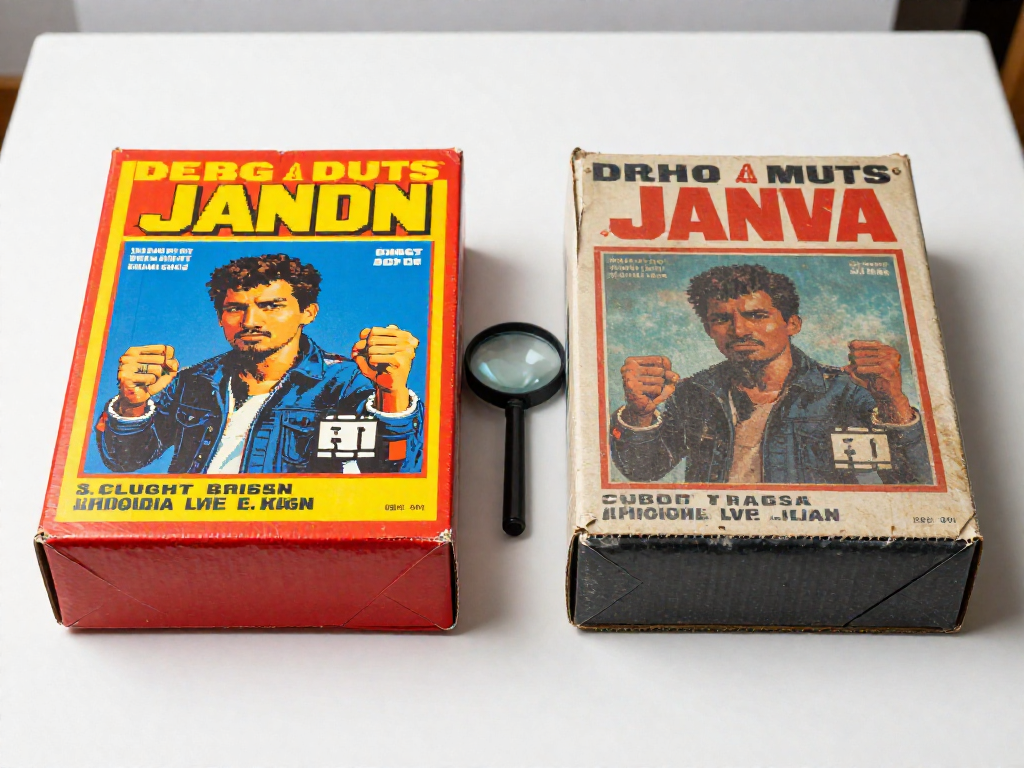
Why Fakes Are Everywhere (and Why That's Not Scary)
Here's the first thing to know: not everything that isn't "original" is out to trick you. There are really three things floating around out there, and they're not the same.
- Reproductions are honest copies—a reissued arcade marquee or a remade toy accessory, often sold openly as a replica.
- Counterfeits are reproductions pretending to be the real thing, made to fool you into overpaying. These are the ones to watch.
- Legit reissues are official re-releases from the original rights-holder (think a label re-pressing a classic album). Totally real, just newer.
So why do nostalgia markets—vinyl, retro toys, arcade gear, old games—attract so many fakes? Because demand outruns supply. There are only so many sealed 1985 cartridges or first-press records left, but plenty of people who'd love to own one. Where emotion and scarcity meet, somebody will always print more.
Now the good news, and it's genuinely good: most fakes flunk the same short list of basic tests. Off colors, fuzzy printing, wrong fonts, fresh-smelling "vintage" plastic, packaging that's just a little too crisp. You'll learn these in the sections ahead, and they carry across almost every hobby.
You don't need to be an appraiser. You just need to slow down and look closely. Curiosity beats expertise here—and that part's actually fun.
The Physical Tells: Weight, Materials, and Smell
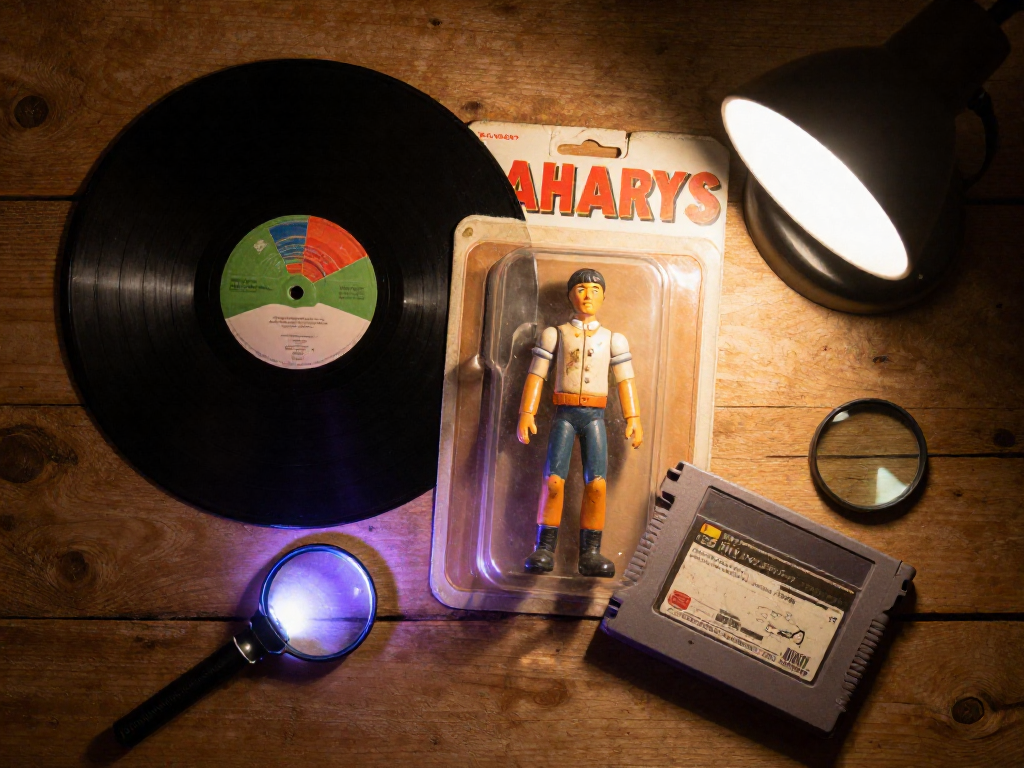
Here's the good news: your own hands and nose catch more fakes than any pricey authentication service. Reproductions almost always cut corners somewhere physical, and once you know what to feel for, the tells jump right out.
Start with weight. Pick up the item and just hold it. Vintage toys, arcade tokens, and even record jackets were made with denser plastics, heavier cardstock, and thicker metal than most modern knockoffs. Fakes tend to feel suspiciously light and hollow because manufacturers save money on materials. If a "1980s" die-cast car feels like a happy-meal toy, trust that instinct.
Then give it a sniff. This sounds silly until it works. Genuinely old plastic, vinyl, and paper develop a faint musty, slightly sweet smell from decades of off-gassing. A sharp chemical or fresh-plastic odor on something supposedly 40 years old is a giant red flag. Cassettes and action-figure blister packs are especially easy to nose-test.
Look closely at the materials and craftsmanship. Run a finger along the seams and mold lines. Originals usually have clean, tight tooling; reproductions often show rough flashing, sloppy seams, or plastic that's either too brittle or weirdly glossy. On printed items—comics, inserts, record sleeves—check the paper stock. Modern reprints frequently use brighter, smoother, or thinner paper than the pulpy originals.
Check the colors. Fakes commonly get hues slightly wrong: too neon, too washed-out, or just off compared to what you remember. Aging mellows old colors in predictable ways, so anything that looks freshly printed deserves a second look.
Build one simple habit: keep a known-genuine piece nearby as a reference. Even an inexpensive authentic cassette or a common figure gives your eyes and hands a baseline. Side-by-side comparison is the fastest, cheapest authentication tool there is—and it costs you nothing but a little shelf space.
Print, Packaging, and Labels: Where Reproductions Slip Up
Here's the good news: most fakes give themselves away on the surface, literally. Printing and packaging are where counterfeiters cut corners, and once you know what to look for, you'll spot trouble in seconds—no special tools required.
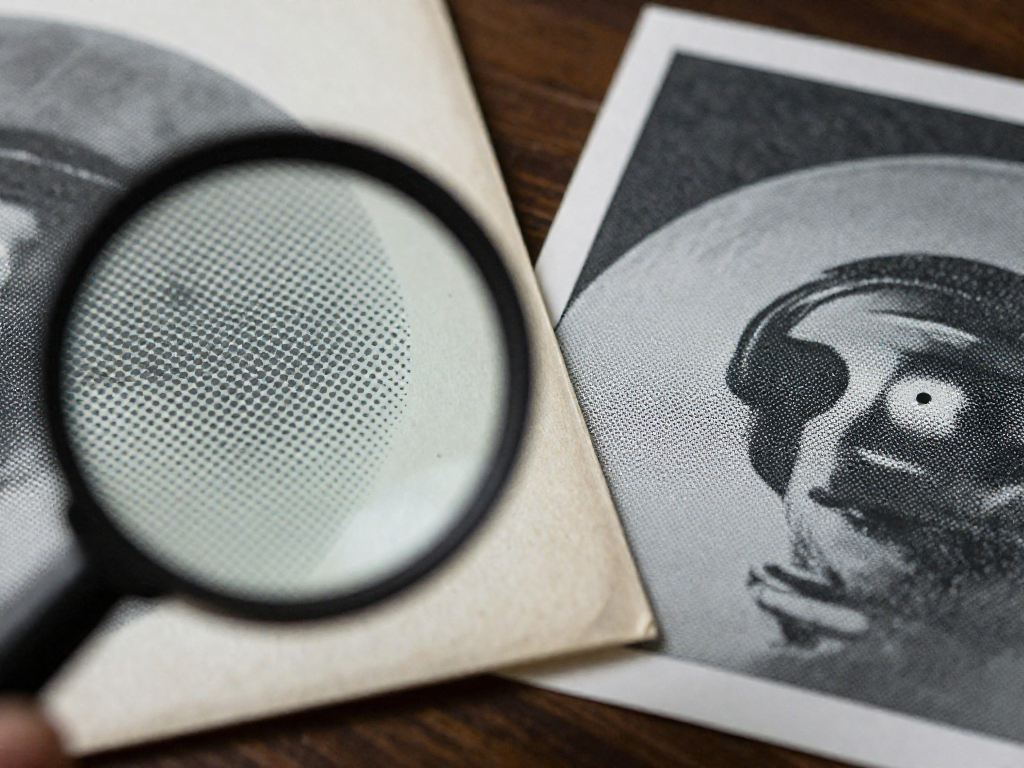
Start with the print quality. Pull the item into good light and look closely (your phone camera's zoom is perfect for this). Genuine vintage art was printed from original plates and looks crisp. Reproductions are often scanned and reprinted, so you'll see blurry edges, a faint dot or rosette pattern, or a slightly fuzzy "photocopy" look. If the colors seem washed out or weirdly oversaturated, that's another flag.
Read the fine print—seriously, all of it. Counterfeiters love big artwork but get lazy with text. Check for:
- Wrong or "off" fonts that don't match the era's style
- Misspellings (a classic tell on bootleg toys and tapes)
- Missing copyright lines, trademark symbols, or company logos
Match the details to the era. Barcodes didn't appear on most US retail products until the early 1980s, so a "1977" item with a UPC barcode is a red flag. Catalog and matrix numbers should fit the period too. A quick search of the title plus "original pressing" or "first release" on Discogs or a fan wiki will tell you what the real numbers should be—both free and beginner-friendly.
Be skeptical of "sealed." Resealing is easy and common. Original shrink-wrap is usually tight and slightly textured; reproduction wrap often looks loose, glossy, or has a fresh seam. On records, peek at the label and the matrix etching in the runout groove near the center. On toys and games, check sticker quality—modern repro stickers tend to be too bright, too smooth, or sit slightly crooked.
When in doubt, compare side-by-side with a verified photo online. The fakes almost always look just a little too new.
Price, Source, and Seller Red Flags
Here's the thing nobody tells you when you start out: the item in the photo matters less than the story around it. Some of the loudest warning signs have nothing to do with the object and everything to do with the deal itself.
Start with price. If a "rare" 1985 figure that usually trades for $80–$120 is sitting at $18, your excitement should turn into suspicion. Genuine scarcity holds value. When something supposedly hard-to-find is priced like a clearance bin, ask why.
Then read the listing like a detective:
- Vague photos are a tell. Stock images, a single blurry shot, or a seller who won't send close-ups of the seams, label, or back of the box. An honest seller is happy to photograph the boring details.
- Check the human behind it. Look at feedback, how long they've sold, and whether they answer specific questions ("Is the copyright stamp raised or flat?"). Dodgy, one-word replies are a yellow flag.
- Count the duplicates. If one seller has six identical "rare" copies, that's not a lucky find — it's a reproduction run.
Finally, notice where fakes tend to gather. Open marketplaces and overseas drop-shippers see far more knockoffs than reputable hobby dealers, local record shops, or in-person toy and vinyl shows where you can hold the item first.
None of this requires expert eyes — just a habit of slowing down. Ask one extra question, request one extra photo, and let a too-perfect deal sit overnight. The good stuff will still be there tomorrow, and the fakes usually won't survive the scrutiny.
Do Your Homework: Free Research Habits That Catch Fakes
Here's the good news: the single best fake-detector you own is free, and it lives in your pocket. Before you hand over a dime, spend ten minutes playing detective. It's weirdly fun, and it'll save you from that sinking "I just bought a Frankenstein bootleg" feeling.
Start with a reverse image search. Save the seller's photos and drop them into Google Lens or TinEye. If the exact same image shows up on a dozen overseas listings—or on a completed auction from three years ago—that's a stolen stock photo, and a big red flag.
Next, cross-reference the details. Every hobby has obsessive record-keepers, and that's your gift. Look up the correct release year, regional variants, and manufacturer marks. Discogs is gold for vinyl and cassettes; sites like Tomart's references, the Hard Rock Arcade community, and toy-line wikis cover the rest. Bootlegs love to get small things wrong: a logo that's slightly off, a copyright date that didn't exist yet, a "variant" that was never actually made.
Then lean on the community. Forums, subreddits, and Facebook collector groups are packed with folks who love being asked "is this legit?" Post clear, well-lit photos before you buy. Most will happily tell you exactly what to check.
And when something still feels off? Walk away. There will always be another copy, often cheaper. When the stakes are high, buy from authenticated or reputable sources. No grail is worth the gamble on a gut feeling you ignored.
FAQ
What is the difference between a reproduction and a counterfeit?
It comes down to intent. A reproduction is an honest copy that doesn't pretend to be the original — think a modern poster reprint or a re-cast toy accessory, often sold openly as a replica. A counterfeit is made specifically to deceive you into thinking it's the genuine, original item so someone can charge original-item prices. The object can look identical; what matters is whether it's being presented honestly. When a seller is vague about age, origin, or why the price seems too good, that's where a reproduction quietly becomes a counterfeit.
Are reissues considered fakes?
Not at all. A reissue is a legitimate re-release by the original company or a licensed label — for example, a vinyl album the label presses again years later, or a classic toy line a manufacturer brings back. It's authentic; it's just not from the first run. The only problem arises when someone sells a recent reissue as a rare first pressing. To protect yourself, learn the small tells: original vs. reissue catalog numbers, label logos, barcodes (most pre-1980s records have none), and copyright dates in the dead wax or on the packaging.
How can I tell if a sealed record or toy is really sealed?
Look closely at the shrink wrap, because resealing is common. Factory shrink is usually tight, evenly applied, and follows the contours of the package, while resealed wrap often looks loose, bubbly, has a faint seam, or smells faintly of heat or glue. Check for a price sticker or 'hype' sticker that matches the era, and be suspicious of a pristine seal on packaging that shows age underneath. For records, a tight original seal sometimes splits at the seams over decades — a tidy modern seal on a 40-year-old LP deserves a second look. When in doubt, ask the seller for clear, well-lit photos of the seams and any stickers.
Is it ever okay to buy a reproduction on purpose?
Absolutely, and plenty of collectors do. If an original is rare or expensive, a clearly-labeled reproduction lets you enjoy the look on your shelf for a fraction of the cost — a repro arcade marquee, a reprint movie poster, or replacement toy parts can run a few dollars to maybe $30 instead of hundreds. The golden rules: buy it knowing it's a repro, pay repro prices (not original prices), and keep it honest if you ever resell. There's no shame in display copies; collecting is supposed to be fun, not a test of your wallet.
What's the single biggest red flag of a fake collectible?
A price that's too good to be true. When a genuinely rare item is offered well below what it normally sells for, the most likely explanations are that it's fake, misrepresented, or the photos are hiding something. Close behind are sellers who can't or won't answer simple questions, refuse extra photos, or rush you with 'someone else is interested.' Take a minute to compare against recent sold listings for the same item, and trust your gut — if the deal feels off, it usually is.
See also
- Beginner's Guide to Collecting Vinyl Records
- How to Start a Retro Toy Collection on a Budget
- Where to Buy Authentic Retro Collectibles
- Grading and Condition Basics for Collectors
Related articles
Why We Get So Nostalgic for the 90s, According to Memory
Why does retro stuff make us so nostalgic? The memory science behind 90s nostalgia—and why we collect the toys, tapes, and games of our childhood.
Jun 27, 2026 · 10 min read
How to Insure and Catalog a Growing Collection
Learn how to catalog your retro collection with free tools and protect it with the right insurance. Simple, beginner-friendly steps you can start today.
Jun 27, 2026 · 10 min read

How to Negotiate Prices Without Being Awkward About It
Learn how to negotiate prices on retro collectibles without the awkwardness. Friendly scripts, fair offers, and beginner tactics for vinyl, toys, and more.
Jun 27, 2026 · 7 min read