7 Beginner Collecting Mistakes That Cost You Money
What common mistakes do new collectors make?
On this page
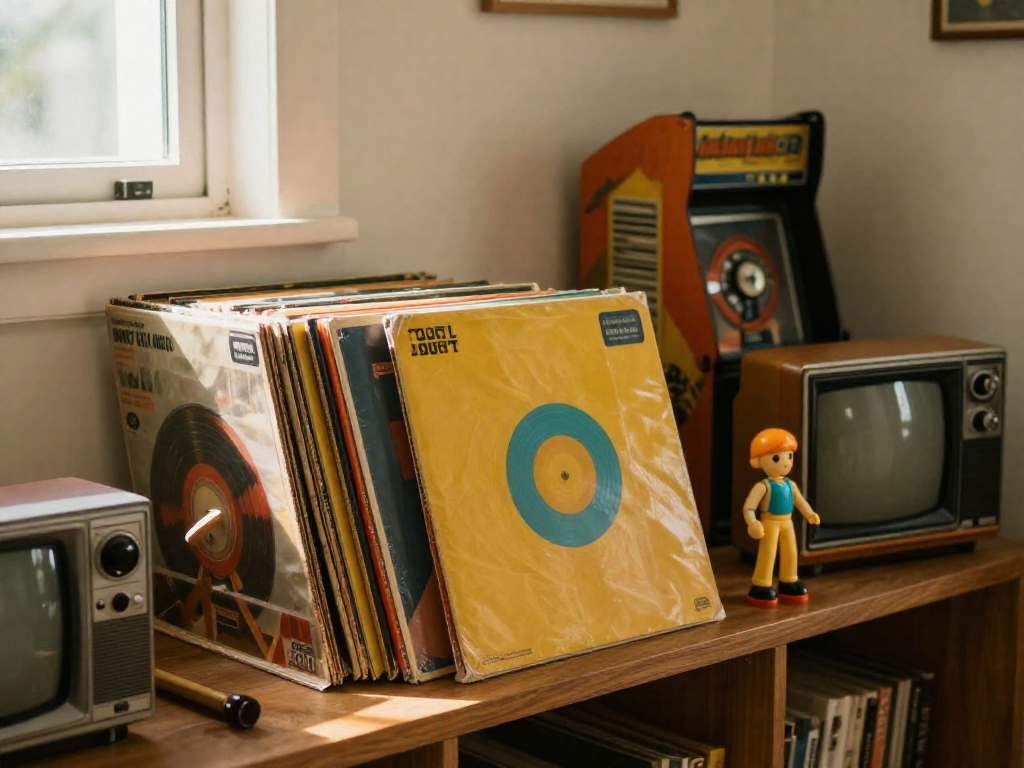
Why Beginner Mistakes Hit Your Wallet Hardest
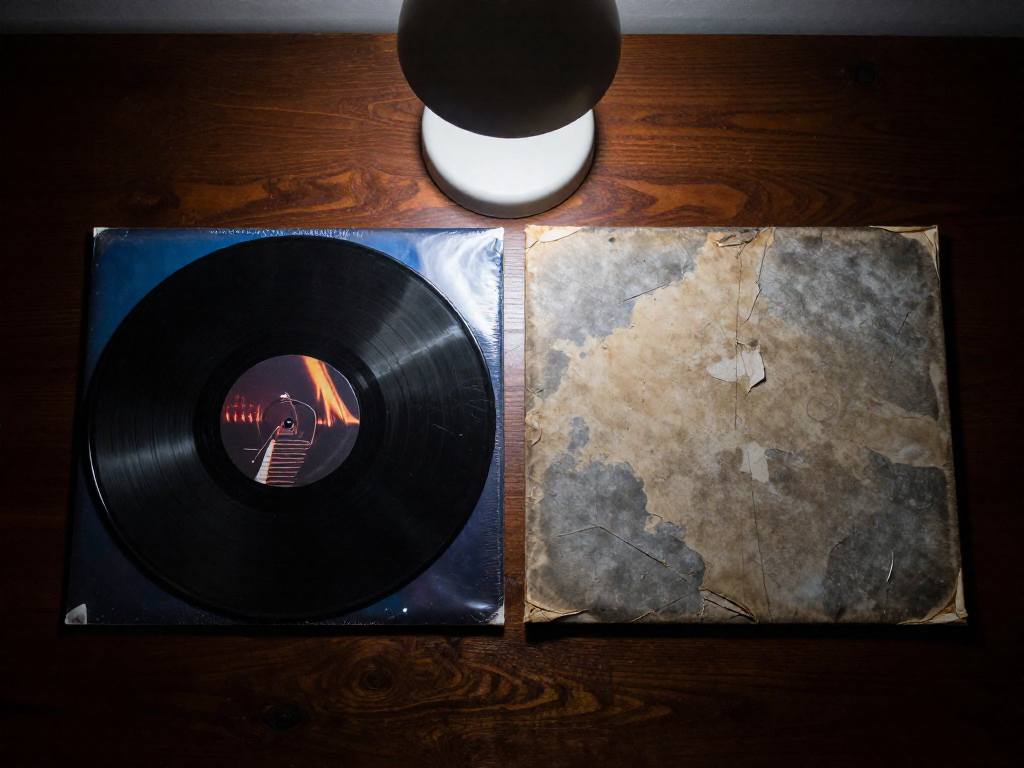
Here's the thing nobody tells you when you start chasing the stuff you loved as a kid: nostalgia is a terrible accountant. The second you spot that exact Star Wars figure from your childhood bedroom or the cassette single you wore out in 1989, your brain stops doing math. That warm rush is half the fun of collecting — but it's also exactly what overpriced listings and impulse buys are built to exploit.
And the timing matters. Most of the truly costly mistakes happen in your first year, before you've learned what things actually sell for, how to spot a reissue, or when "mint condition" is just wishful thinking. Those early slip-ups quietly stack up: a few dollars too much here, a damaged item there, a "deal" that wasn't.
The good news? You don't need deep pockets to collect well. You just need to be deliberate. The seven mistakes ahead are all avoidable — and steering clear of them keeps more cash in your pocket for the finds that really matter.
Mistake 1: Buying on Impulse Because of Nostalgia
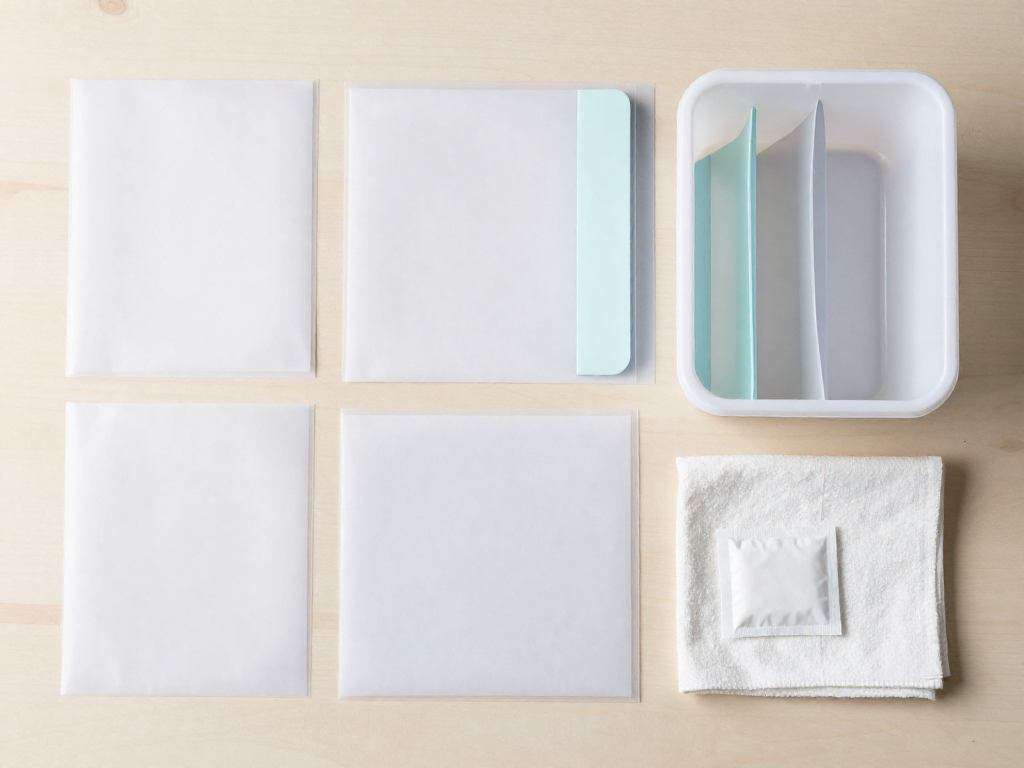
We've all felt it. You're scrolling a marketplace at midnight and there it is — the exact Fisher-Price record player or the Teenage Mutant Ninja Turtles lunchbox you carried in fourth grade. Your heart says "buy it now," and twenty minutes later you've paid way too much for the first one you saw.
That rush is the single most expensive habit for new collectors. Nostalgia inflates what an item feels worth, which is almost never what it actually sells for. A figure that pulls at your heartstrings might be listed at $40 when patient buyers regularly snag the same piece for $12.
Here's the fix: give yourself a 24-hour rule on anything over $20. Before you buy, do three quick checks:
- Search completed/sold listings on eBay (not just active asking prices) to see what people truly pay.
- Compare two or three listings for the same item and condition.
- Ask yourself whether you'd still want it tomorrow at that price.
Nine times out of ten, that pause either saves you money or surfaces a cheaper copy. The item that's "rare" tonight is usually just one listing away from being common — and affordable.
Mistake 2: Not Checking Real Market Value First
We've all done it: you spot a sealed N64 game or a first-pressing record, the seller swears it's worth $80, and that number quietly becomes "the price" in your head. Here's the catch — a single listing isn't value. It's one person's hopeful ask, and anyone can type any number into a listing. What something sells for is a completely different story.
The good news? Real market value is easy to find, and it's free.
- eBay sold listings — Search the item, then filter by "Sold Items." This shows what buyers actually paid, not what sellers wish they'd pay. It's the single most useful tool you have.
- Discogs — For vinyl, cassettes, and CDs, Discogs tracks real sale history right on the release page, including median and high/low prices.
- Price guides — Older guidebooks and collector sites (like for toys or comics) give helpful ballparks, just remember printed guides can lag behind the real market.
The fix: Before you buy anything, compare at least three recent sold prices. If a record's sold listings cluster around $25 and someone's asking $70, you now know to walk away — or haggle with confidence.
Two minutes of research can save you real money. Make it a habit, and you'll buy smarter every single time.
Mistake 3: Ignoring Condition and Grading
Here's a hard truth that trips up almost every new collector: that dusty record at the flea market and the pristine copy online might be the same album, but they are not the same purchase. Condition is the single biggest lever on value, and two copies of the identical item can easily sit 10x apart in price. A near-mint pressing can fetch ten times what a scratched, played-to-death copy commands — same music, wildly different payout.
The catch is that condition has its own secret language, and dealers assume you speak it. A few terms you'll see constantly:
- NM (Near Mint): looks barely touched, minimal wear.
- VG+ (Very Good Plus): light signs of use, still a solid buy.
- MIB (Mint in Box): the holy grail for toys — sealed or unopened with original packaging.
- Loose: an out-of-box item, fun to display but worth far less than its MIB twin.
The fix: learn the grading scale for whatever you're collecting before you buy. Vinyl folks lean on the Goldmine Standard; toy collectors live and die by box condition. Spend ten minutes reading the scale, then put it to work in person — check records for surface scratches under good light, inspect toy joints for looseness, and look for box creases, sun-fading, and yellowed tape. A trained eye costs nothing and saves you plenty.
Mistake 4: Storing Items the Wrong Way
Here's the heartbreaker: you can do everything right—buy smart, check condition, pay a fair price—and still watch your collection lose value just sitting there. Bad storage is a silent killer. The damage creeps in slowly, so you don't notice until that mint Star Wars figure has yellowed or your favorite LP plays with a warble.
Three enemies do most of the harm: sunlight, humidity, and heat. UV light fades cardboard sleeves and toy packaging. Humidity warps records and breeds mold on paper inserts. Heat melts vinyl and makes plastic brittle. That's exactly why the attic and the garage—the two spots where most of us stash old stuff—are the worst places possible.
A couple of common habits make it worse. Stacking records flat lets the weight warp the ones on the bottom. Cramming toys into boxes in a sweltering crawlspace cooks them all summer.
The fixes are cheap and easy:
- Sleeve everything. Poly outer sleeves run about $0.20–$0.50 each and protect covers from scuffs and dust.
- Store records upright, like books on a shelf, never stacked.
- Pick a climate-stable spot—an interior closet beats the attic every time.
A few dollars now saves you real money later.
Mistake 5: Falling for Fakes and Reproductions
Here's a tough truth: not every "vintage" find is the real deal. Reissues, bootlegs, and reproduction packaging have gotten scary good, and plenty of them get passed off as originals — sometimes by sellers who don't even know better themselves. That repressed vinyl or "factory sealed" action figure might be a perfectly nice reproduction, just not worth the original-era price you're paying.
The good news? You can train your eye in an afternoon. Here's what to check before you buy:
- Fonts and printing. Reproductions often use slightly wrong typefaces, fuzzy logos, or colors that are too bright. Compare against a known original photo.
- Barcodes. Most products didn't carry UPC barcodes until the early 1980s, so a barcode on something "from the '70s" is a red flag.
- Matrix numbers. On vinyl, check the etched numbers in the runout groove near the label — collectors use these to ID original pressings.
- Materials and weight. Modern reproductions can feel lighter, glossier, or cheaper than aged originals.
The fix: Buy from sellers with strong feedback and clear return policies, and ask for detailed photos. Before committing, run the item past a community resource like the Discogs database (for music) or a dedicated collector forum or subreddit. A two-minute question can save you a costly mistake.
Mistake 6: Collecting Everything Instead of Focusing
It's tempting to grab every shiny relic that sparks a memory — a He-Man figure here, a stack of cassettes there, a dusty Atari cart because hey, why not? But scattershot buying quietly drains your budget and leaves you with a pile of random stuff instead of a real collection. Worse, a grab-bag rarely gains value the way a thoughtful set does.
The fix is simple: pick a lane. Choose one niche, era, or franchise and start there. Maybe it's 1980s arcade flyers, original-run Star Wars figures, or first-pressing vinyl from a single label. A tight focus turns you into a mini-expert fast, so you'll spot deals (and dodge fakes) others miss.
How to start:
- Pick a theme you genuinely love — passion keeps it fun and affordable.
- Set a monthly cap, even $20–$40, and only buy within your niche.
- Search eBay "sold" listings for your category to learn realistic prices before committing.
A focused collection is cheaper to build and far more satisfying to show off.
Mistake 7: Overpaying at the Wrong Places
Here's a hard truth: the easiest places to find retro treasures are often the priciest places to buy them. Antique malls and convention floors are wonderful for browsing — flipping through a crate of cassettes can feel like time travel — but those vendors pay booth fees and table rent, and that cost gets baked right into the price tag. That mint-condition He-Man figure under glass might cost two or three times what you'd pay elsewhere.
So where do the deals actually hide? Spread your hunting around:
- Estate sales — families often price things to clear out fast, with no idea a dusty box of arcade flyers has value.
- Thrift stores — vinyl and toys get donated all the time and shelved at pocket-change prices.
- Local online listings (Facebook Marketplace, Craigslist, OfferUp) — searching your own area saves shipping and lets you see items in person.
The fix: diversify your sourcing instead of relying on one spot, and don't be shy about negotiating. A friendly "Would you take $15?" works far more often than beginners expect. Most sellers would rather move an item than carry it home — politeness and patience are your cheapest collecting tools.
How to Start Collecting Smarter Today
Here's the good news: every mistake we covered is easy to dodge once you know it's there. Keep this quick checklist handy:
- Slow down when nostalgia hits—sleep on impulse buys.
- Check real market value on eBay's sold listings before paying.
- Inspect condition and learn basic grading for your category.
- Store it right—sleeves for vinyl, cases for cartridges, away from sun and damp.
- Spot fakes by comparing details to verified originals.
- Focus on one era, format, or franchise you genuinely love.
- Buy smart—estate sales, thrift shops, and local swaps over hyped auctions.
Start small, research first, and store with care. You don't need deep pockets to build a collection that brings you joy. Collecting is supposed to be fun—and a little knowledge protects both that joy and your wallet. Happy hunting.
See also
- Beginner's Guide to Grading Vinyl Records
- How to Spot Fake Retro Toys and Reproductions
- Best Places to Find Cheap Retro Collectibles
- How to Store Your Collection the Right Way
- Starting a Focused Collection on a Budget
Related articles
Why We Get So Nostalgic for the 90s, According to Memory
Why does retro stuff make us so nostalgic? The memory science behind 90s nostalgia—and why we collect the toys, tapes, and games of our childhood.
Jun 27, 2026 · 10 min read
How to Insure and Catalog a Growing Collection
Learn how to catalog your retro collection with free tools and protect it with the right insurance. Simple, beginner-friendly steps you can start today.
Jun 27, 2026 · 10 min read

How to Negotiate Prices Without Being Awkward About It
Learn how to negotiate prices on retro collectibles without the awkwardness. Friendly scripts, fair offers, and beginner tactics for vinyl, toys, and more.
Jun 27, 2026 · 7 min read