How to Figure Out What Your Stuff Is Actually Worth
How do I research the value of a collectible?
On this page
First, Separate "Asking Price" From "Actually Sold"
Here's the mistake almost everybody makes on day one: they search for their old Star Wars figure or that boxed N64, see a listing for $300, and assume they're sitting on a small fortune. Slow down. That $300 isn't a value—it's a wish.
Active listings (the stuff currently for sale) only tell you what a seller is hoping to get. Anyone can list anything at any price, and plenty of those optimistic tags sit there for months, untouched. What actually matters is what a real buyer was willing to pay. The gap between the two is often enormous—it's not unusual for an item asking $300 to have recently sold for $60.
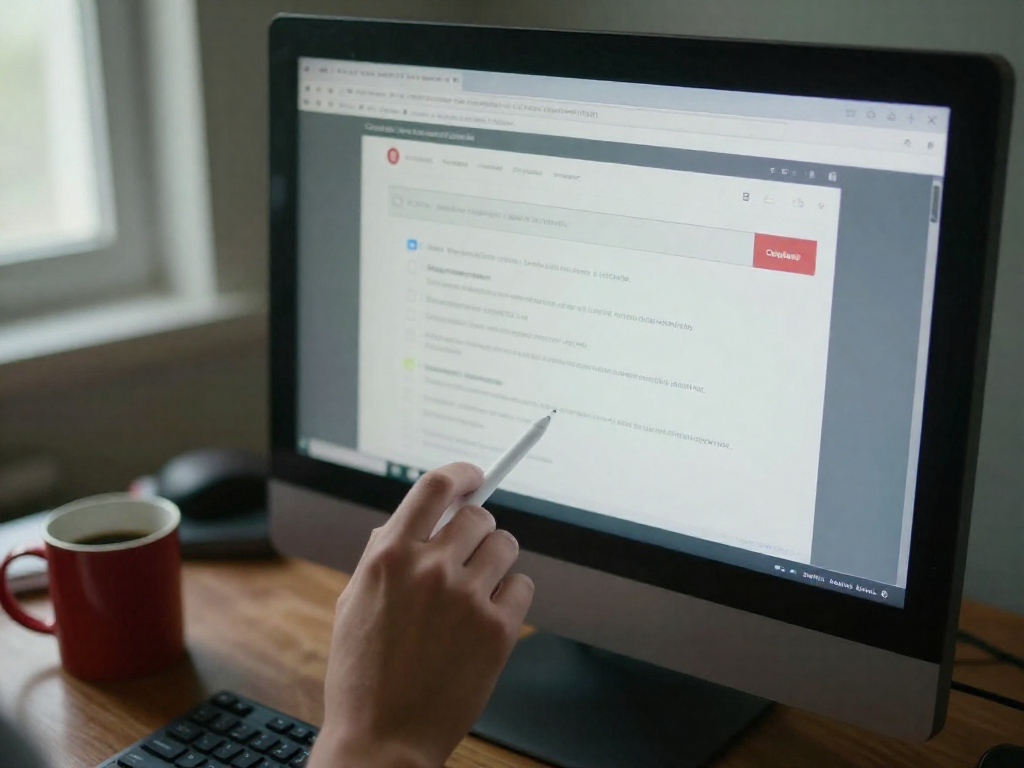
So train yourself to ignore the asking price and hunt for the sold price instead. On eBay, that means using the "Sold items" filter (you'll find it in the left-hand menu after a search). Those green numbers are receipts—proof a transaction happened.
It also helps to untangle two kinds of worth. Sentimental value is real and totally valid; that cassette might be priceless to you. Market value is colder—it's just what a stranger will hand over today. They rarely line up, and that's okay.
Quick gut-check before you trust any number: Would you pay that price for it? If the answer is "no way," a buyer probably feels the same.
Step 1: Check Sold Listings (The Most Honest Number)
Here's the secret that separates wishful thinking from real value: nobody's "buy it now" price means a thing until someone actually pays it. So skip the listings full of dreamers asking $400 for a dusty Star Wars figure and go straight to the receipts.
Start with eBay's sold data. Search for your item, then look at the left-hand filters (or the "More filters" menu on mobile). Check the boxes for Sold Items and Completed Listings. Suddenly your screen fills with green "Sold" prices—the actual dollars that changed hands. This is the closest thing collecting has to a fair market price.
Read the range, not a single number. Don't fixate on the one sale that went for big money. Scroll through and get a feel for three things: the low end, the high end, and the typical middle where most copies land. That middle number is usually your honest answer. If a vinyl pressing sold five times between $18 and $25 and once for $90, your record is a $20 record—not a $90 one.
Match the details, not just the name. Condition is everything. A sealed cassette and a played-to-death one with a cracked case are two different products. Line up edition, pressing, variant, color, and completeness (box? manual? all the accessories?) against the sales you're comparing to. Comparing your loose, beat-up toy to a mint-in-box example will only break your heart.
Branch out beyond eBay. A few more places that track real sales:
- Discogs — unbeatable for vinyl, cassettes, and CDs, with a full price history per pressing.
- WorthPoint — a big archive of past sold listings across categories (subscription-based).
- Heritage Auctions — searchable past results, great for higher-end or graded pieces.
Stay skeptical. Toss out the obvious outliers, and watch for fishy sales—shill bids, items that "sold" then get relisted again and again, or prices that just don't fit the pattern. A handful of honest comps beats one suspicious jackpot every time.
Step 2: Use Price Guides for a Ballpark
Once you've peeked at what things actually sold for, price guides are your next stop. Think of them as a friendly second opinion, not the final word. They're great for getting oriented—and for catching details you'd never spot on your own.
Start with guides built for your category:
- Vinyl: Discogs is the go-to. Every pressing has its own page, complete with sales history.
- Video games: PriceCharting tracks loose, complete, and sealed prices side by side.
- Toys and comics: Category-specific guides and collector databases help you pin down exactly what you have.
A quick warning about those thick printed guidebooks you might find at a yard sale: treat the numbers with a big grain of salt. A price guide printed in, say, 2009 was a snapshot of that moment, and the market has shifted plenty since. The descriptions and photos still help with identification, but the dollar figures are basically a time capsule.
Here's where guides really shine: confirming rarity and spotting variants. That seemingly plain record might be a rare first pressing; that action figure might have a hard-to-find color variation worth far more than the common one. Guides help you figure out which version you're holding.
What guides shouldn't do is set your final price. Always cross-check their numbers against real sold data from Step 1. When the guide and recent sales agree, you've got a solid ballpark. When they don't, trust the sold listings—real money beats a printed estimate every time.
Step 3: Read the Demand Signals
Here's the part that turns a wild guess into a real estimate: a price only means something if someone actually wants the thing right now. A sold listing from eight months ago is a clue, not a promise. So before you get attached to a number, check the pulse.
Look at sell-through rate. On eBay, search your item, then filter by "Sold." Now compare that to how many are listed for sale. If you see 40 active listings and only 3 sales in the last month, that's a buyer's market—your copy will sit. Flip it (5 sold, 2 listed) and you've got something people are chasing.
Watch the interest indicators. Lots of watchers, early bids, or items that vanish "sold in minutes" all tell you demand is hot. A listing that's been relisted three times? Cold.
Factor in nostalgia cycles. Demand isn't steady—it spikes. A Stranger Things season can send 1980s toys and cassettes soaring, then cool once the buzz fades. A movie reboot, an anniversary, a viral TikTok—any of these can briefly double interest. Timing matters as much as the item.
Remember: abundance kills value. This is the hardest pill for new collectors. That comic or action figure you babied since childhood was probably made by the millions. Common + great condition still usually means modest money. True scarcity—short print runs, regional releases, quickly-recalled items—is what commands premiums.
Quick gut check: if dozens are for sale and they sell slowly, price toward the low end of recent sales. If they're scarce and snapped up fast, you've got room to aim higher.
How Condition and Completeness Change Everything
Here's the truth that surprises most people: the same item can be worth $5 or $500 depending entirely on its shape. Condition is the single biggest lever on value, so before you get excited about a price guide number, grade your stuff honestly.
Most hobbies use a simple ladder. Mint means it looks like it just left the store. Near mint has tiny, barely-there flaws. Good shows real handling wear but still displays fine. Played or worn means scratches, scuffs, ring wear on vinyl, or a toy that clearly lived a full life. When in doubt, grade down — buyers always do.
Then there's completeness, which collectors obsess over for a reason. Original packaging, inserts, manuals, and the little accessories (that one tiny accessory, the hype sticker, the cardboard backing) can multiply value. A loose 1980s action figure might fetch a few dollars; the same figure sealed on its original card can be worth many times more.
Should you pay for professional grading? Companies like PSA (cards) and CGC (comics) seal and rate items on a numbered scale. It's worth it for genuinely high-value pieces where authentication boosts buyer trust — not for a $15 comic, where the fee eats your profit.
Above all, be honest about flaws. An accurate estimate beats a flattering one every time.
Putting It Together: A Quick Worksheet
Once you've gone through the steps, the whole process boils down to a five-minute routine you can run on anything—that dusty Star Wars figure, your old Nintendo cart, a stack of 45s. Keep this handy and walk through it every time:
- Nail down what you actually have. Note the exact edition, release year, and any variant details (first pressing vs. reissue, a toy with a different paint job, a numbered run). Two items that look identical can be worlds apart in value.
- Pull 3–5 recent sold prices. Not asking prices—sold. Use eBay's completed/sold filter for the closest matches you can find.
- Adjust for condition and completeness. Missing the box, the manual, that one tiny accessory? Knock it down. Mint and complete? Nudge it up.
- Sanity-check the demand. Are listings selling fast or sitting for months? Steady interest backs up your number; crickets mean be conservative.
- Land on a realistic range. Resist the urge to pick one magic figure. "Somewhere around $40–$60" is honest and far more useful than a single hopeful guess.
That's it. No expertise required—just a few minutes and a little patience.
Free Tools and Where to Avoid Overpaying for Answers
Here's the good news: you can value most of your stash without spending a dime.
Free resources by category:
- Vinyl & cassettes: Discogs (check the "Last Sold" tab, not the for-sale prices)
- Toys & action figures: completed eBay listings, plus collector wikis
- Arcade & games: PriceCharting for loose vs. complete-in-box numbers
When paid makes sense: Only spring for a professional appraisal when an item might clear a few hundred dollars or more, or when you need it documented for insurance. For a $20 cassette, skip it.
Red flags: Be wary of "we buy your stuff!" sites and instant-cash buyers—they win by paying you less than the thing is worth. A quick lowball is rarely your best number.
Going local: Some of the friendliest free help comes from people. Try local collector groups, weekend swap meets and record shows, and category-specific Facebook communities. Post a clear photo and ask—most folks love to nerd out and help.
FAQ
Why are sold listings more accurate than asking prices?
Because asking prices are just hopes, not facts. Anyone can list a dusty He-Man figure for $500, but that number only tells you what a seller wishes they could get. Sold listings show what a real buyer actually paid, which is the only price that counts. On eBay, you can filter for "Sold Items" to see completed sales, and that's your true ground floor. Think of asking prices as a wish and sold prices as a receipt.
How many comparable sales should I look at before estimating value?
Aim for at least 5 to 10 recent sold listings of the same item in similar condition. One sale could be a fluke (an overeager bidder, a holiday weekend, a typo in the title), so you want a pattern, not a single data point. Toss out the wild outliers on both ends and look at the cluster in the middle, that's your realistic range. Try to use sales from the last few months too, since nostalgia markets shift faster than you'd think.
Is it worth paying for a professional appraisal?
For most everyday collections, no, and don't let anyone make you feel like you need one. Free comps from sold listings will get you close enough for selling, insuring, or just satisfying your curiosity. A paid appraisal (often $50 and up) makes sense only for genuinely high-value or unusual pieces, like a sealed game, a rare first-pressing record, or something headed to estate paperwork or serious insurance. Start free, and pay for an expert only when the potential value clearly justifies the cost.
Does original packaging really make that big a difference?
Often a huge one. A loose 1980s action figure might fetch a few dollars, while the same figure still sealed on its original card can be worth many times more, sometimes 5 to 10 times as much. Collectors prize that untouched, factory-fresh look, so the box, blister card, inserts, and even the price sticker all add value. That said, a well-loved, packaging-free item is still absolutely worth keeping and enjoying, it just lands lower on the price scale.
Where can I find sold prices for vinyl records and video games?
For vinyl, Discogs is your best friend, every release page shows recent sale prices plus low, median, and high figures, and the marketplace lets you match your exact pressing. For video games, PriceCharting tracks values for loose, complete-in-box, and sealed copies across consoles. And for both categories, eBay's "Sold Items" filter is a reliable cross-check. Use two sources together and you'll spot a realistic range fast, no spreadsheet degree required.
How do I know if my collectible is rare or just old?
Old and rare aren't the same thing. Millions of copies of a 1970s hit record were pressed, so being decades old doesn't make it scarce. Real rarity comes from things like limited production runs, early pressings, regional or promo-only releases, recalled variants, or printing errors. Start by checking how many sold listings exist, if you find dozens of the same item for sale, it's common. Then look for specific details (matrix numbers on vinyl, variant markings on toys, first-print indicators on games) and compare against a database like Discogs. Scarce supply plus steady demand is what actually drives value.
See also
- Beginner's Guide to Starting a Retro Collection Without Going Broke
- How to Grade the Condition of Vintage Collectibles
- The Best Places to Buy and Sell Retro Pop-Culture Items
- Spotting Reproductions and Fakes in Vintage Toys and Records
Related articles
Why We Get So Nostalgic for the 90s, According to Memory
Why does retro stuff make us so nostalgic? The memory science behind 90s nostalgia—and why we collect the toys, tapes, and games of our childhood.
Jun 27, 2026 · 10 min read
How to Insure and Catalog a Growing Collection
Learn how to catalog your retro collection with free tools and protect it with the right insurance. Simple, beginner-friendly steps you can start today.
Jun 27, 2026 · 10 min read

How to Negotiate Prices Without Being Awkward About It
Learn how to negotiate prices on retro collectibles without the awkwardness. Friendly scripts, fair offers, and beginner tactics for vinyl, toys, and more.
Jun 27, 2026 · 7 min read