Are Reproduction Cartridges Worth It? An Honest Look
Should I buy reproduction game cartridges?
On this page
What Exactly Is a Reproduction Cartridge?
Before we get into whether repros are worth your money, let's clear up what they actually are—because the word gets thrown around a lot.
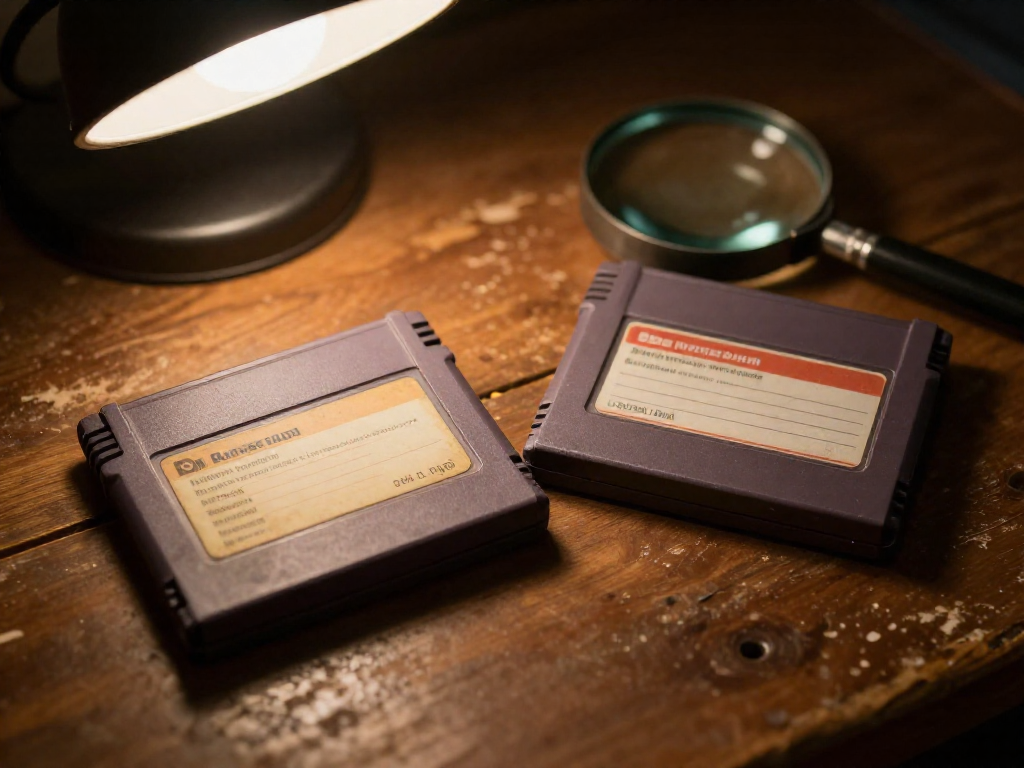
A reproduction cartridge (or "repro") is a newly manufactured cartridge that runs an original game's ROM data. It's not a vintage copy that rolled off a factory line back in the day—it's a modern board, usually in a fresh shell, loaded with the same game code. Think of it as a brand-new vessel carrying an old game.
You'll mostly run into three flavors:
- Translations and region-free versions — Japan-only games patched into English, or imports tweaked to play on a US console.
- Unreleased prototypes — games that never officially hit US shelves, now playable on real hardware.
- Clones of pricey originals — affordable stand-ins for cartridges that sell for hundreds.
Quality is all over the map. Some sellers produce polished shells with sharp custom labels that feel genuinely premium; others are obvious knockoffs with crooked stickers and rattling cases.
One quick distinction: repros aren't the same as official re-releases, plug-and-play mini consoles, or software emulators. The whole appeal of a repro is playing on your actual original system—cartridge in the slot, that satisfying click and all.
The Case For Repros: Cost and Access
Let's be honest about why so many of us even look at repros: the money. If you've ever priced an original copy of EarthBound or Little Samson on the NES, you know the sticker shock is real — genuine carts of the rarest titles routinely sell for hundreds, and the truly scarce stuff can climb into four figures. A reproduction of that same game? Often $20 to $50. For a lot of us who grew up renting games on Friday night and beating them by Sunday, that math is hard to argue with.
There's also the access angle, and this is the part that genuinely excites me. Plenty of fantastic games never made it to US shelves at all. Japan-only releases, late-life titles that got tiny print runs, fan translations of RPGs we only ever read about in magazines — repros put those in your hands. You're not hunting an import-only unicorn for a year; you're playing it this weekend.
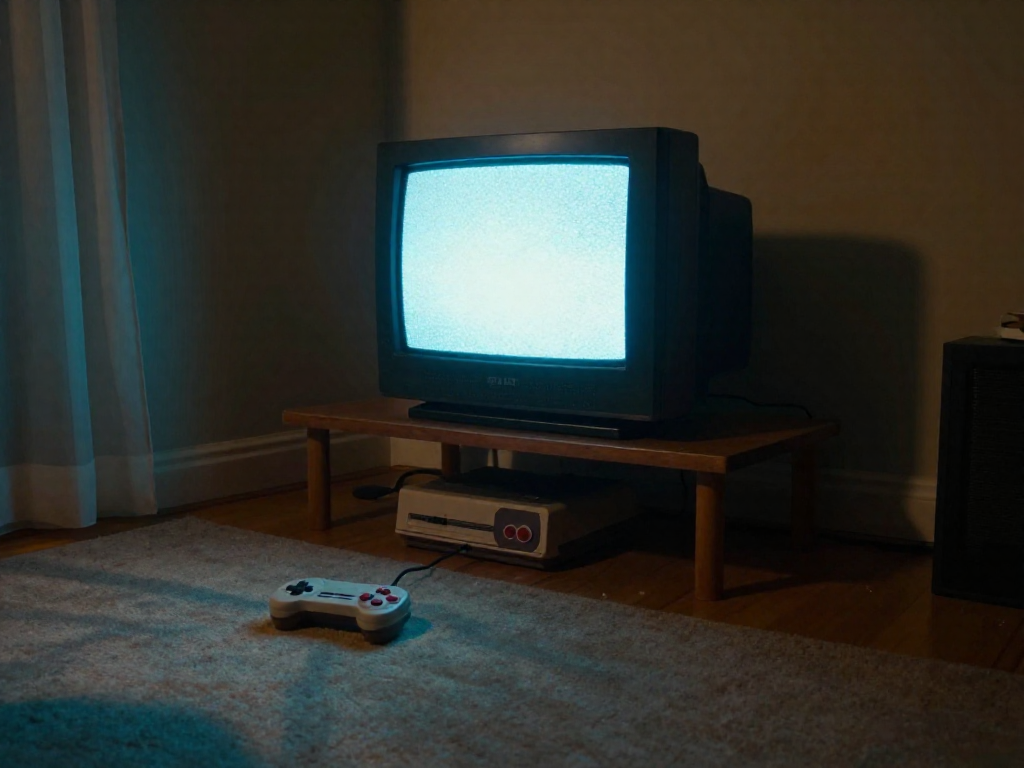
And here's what separates repros from just firing up an emulator: they run on the real hardware. There's something about the actual controller in your hands, the cartridge clicking into the slot, and a CRT's warm glow that emulation gets close to but never quite nails. If you kept your old console (or grabbed one cheap), a repro lets you relive that exact feeling.
Finally, repros are simply low-stress. A $700 collectible gets babied — stored carefully, rarely touched, almost too precious to enjoy. A $30 repro you can leave in the console, hand to a friend, or let your kid try. It's a game meant to be played, not guarded. For a play-first, budget-minded collector, that freedom is the whole point.
The Case Against: Quality, Value, and Originality
Okay, we sang the praises last section—now let's be honest about where repros fall short. Because they do.
Don't expect resale value. This is the big one. An original cartridge can appreciate over time, but a reproduction stays worth roughly what you paid—often less the moment you open it. If you're buying to play, that's fine. If any part of you hopes it's a little investment for later, a repro isn't it.
Quality is a coin flip. Repros vary wildly depending on who made them. Common issues include:
- Battery saves that die fast (or were never wired correctly) on games that rely on save batteries
- Cheaper boards that can run hot or fail sooner than a 30-year-old original still chugging along
- Label accuracy—colors slightly off, fonts not quite right, or a glossy finish the original never had
None of this makes a cart unplayable, but it's worth checking reviews of a specific seller before you buy.
It may not scratch the itch. For purist collectors, half the joy is holding the actual thing your younger self wanted. A flawless repro can feel a little hollow if authenticity is what you're after.
And the sneaky risk: dishonest sellers passing repros off as genuine. We'll dig into how to spot that in the ethics section—but know it happens, especially with pricier titles.
None of these are dealbreakers for everyone. They're just the trade-offs worth knowing before you click "buy."
The Ethics Question: Are Repros Okay?
Let's be honest: this is the part that nags at a lot of us. Most repro cartridges run on ROMs that are still technically copyrighted, even when the game has been out of print for 30 years and nobody's selling new copies. That's a genuine gray area, and reasonable collectors land in different places on it. Personally, I don't lose sleep over playing a clearly-labeled repro of something Nintendo stopped making in the early '90s and never re-released in a comparable form.
But here's where the real line sits, and it has nothing to do with ROMs: honesty. A repro sold as a repro is a budget-friendly way to enjoy a game. A repro sanded down, slapped with a faked label, and passed off as a genuine original is fraud—plain and simple. Those fakes poison the whole hobby. They burn first-time buyers, erode trust in sellers, and muddy the waters for everyone trying to value real cartridges.
So my reasonable, no-preaching stance: buy repros that are labeled as repros, from sellers who disclose it up front. Ask directly, "Is this a reproduction or an original?" before you pay. A seller who answers straight is one worth supporting—and one who dodges the question just told you everything you need to know.
How to Spot a Repro (So You Don't Get Scammed)
Good news: most repros aren't trying to fool you, and once you know the tells, they're pretty easy to catch. Here's what to check before money changes hands.
Start with the label. Original NES, SNES, and Genesis labels were printed at the factory with crisp, consistent ink. Repro labels often look a little too clean, sit slightly crooked, or have a glossy sheen where the original used a flatter finish. Faded colors, blurry text, or a label that wraps oddly around the edges are all flags.
Flip it over and look at the screws. Nintendo famously used a 3.8mm or 4.5mm "gamebit" security screw on its carts—not a standard Phillips. If you see a regular Phillips screw on what's claimed to be an original Nintendo game, something's been opened or rebuilt. While you're back there, check that the shell seams line up tightly with no gaps.
Peek at the board. Tilt the cartridge toward the light and look through the slot at the bottom. Original boards usually carry licensed chips with printed part numbers and clean soldering. A single generic chip, a tiny SD card slot, or messy hand-soldering points to a repro.
Sanity-check the price. Look up recent sold listings on eBay or PriceCharting for that title. A rare game going for a fraction of its known value is the oldest trick in the book—if it feels too good to be true, it usually is.
Ask before you pay. Reputable sellers will happily confirm authenticity and send extra photos of the label, back, and board. Hesitation or vague answers? Walk away. There's always another copy out there.
So, Should You Buy One? The Honest Verdict
Here's the short answer: it depends on what you actually want out of the hobby. And that's a good thing, because it means there's no wrong choice.
Buy a repro if you're a player, not a purist. If you just want to finally beat that import RPG that never left Japan, or the original carries a four-figure price tag (looking at you, EarthBound), a reproduction gets you the experience for a fraction of the cost. Nobody's nostalgia tax should be hundreds of dollars.
Skip it if any of these matter to you: resale value, authenticity, or a guarantee that it'll still boot up in ten years. Repros vary wildly in quality, won't hold value the way a genuine cartridge does, and a sealed original is a different thing entirely. If the real object is the point, hold out for the real object.
The middle path most folks land on: repros for the games you want to play regularly, originals for the handful you truly cherish and want to own for keeps. Your shelf can hold both.
Bottom line—reproduction cartridges are absolutely worth it, as long as you buy one knowing exactly what it is and exactly why you want it.
See also
- Beginner's guide to collecting retro video games on a budget
- How to clean and restore old game cartridges
- Emulators vs. original hardware: which is right for you?
- The most valuable NES and SNES games to look for
Related articles
Quick Reference: Retro Console Release Years and Lifespans
When did the major retro consoles launch and end? A scannable timeline of release years, lifespans, and console eras for collectors.
Jun 27, 2026 · 5 min read
The Atari 2600 at Home: A Beginner's Restoration Primer
Found a dusty Atari 2600? Learn gentle, beginner-friendly cleaning and basic fixes to revive your first vintage console—no soldering or big budget required.
Jun 27, 2026 · 12 min read
The Quietly Brilliant Tech of the Sony Trinitron, Explained
Why do retro gamers prize CRT TVs like the Sony Trinitron? Here's the clever tech inside, why it beats flat screens for retro play, and what to look for.
Jun 27, 2026 · 10 min read